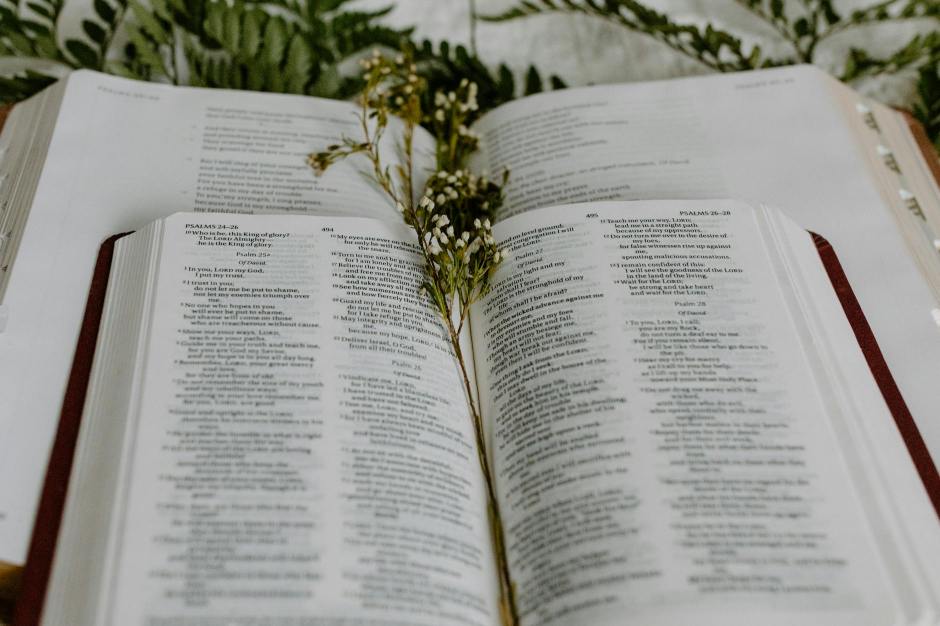
Resetting the home for 2026: Gentle rhythms for a fresh beginning

There is something tender about the quiet space between years.

As one year closes and another stretches before us, many of us feel a gentle nudge to pause, take stock, and prepare our homes — not for perfection, but for peace. Resetting the home for a new year isn’t about grand overhauls or buying all the right things. It’s about creating room for what truly matters as we step into 2026.

Here are a few simple ways that I am resetting my home and heart for the year ahead.


1. Begin with prayer, not a to-do list

Before touching a cupboard or making plans, begin by inviting the Lord into the process.

Ask Him:

  • What needs to be released?
  • What rhythms need restoring?
  • What atmosphere do I want my home to hold this year?

A reset that begins in prayer will always feel lighter than one driven by pressure and the usual social media suggestions. Being sensitive to the pulse of our own homes and its needs is precious as we work faithfully to build it up. Let this be an act of stewardship, not striving.

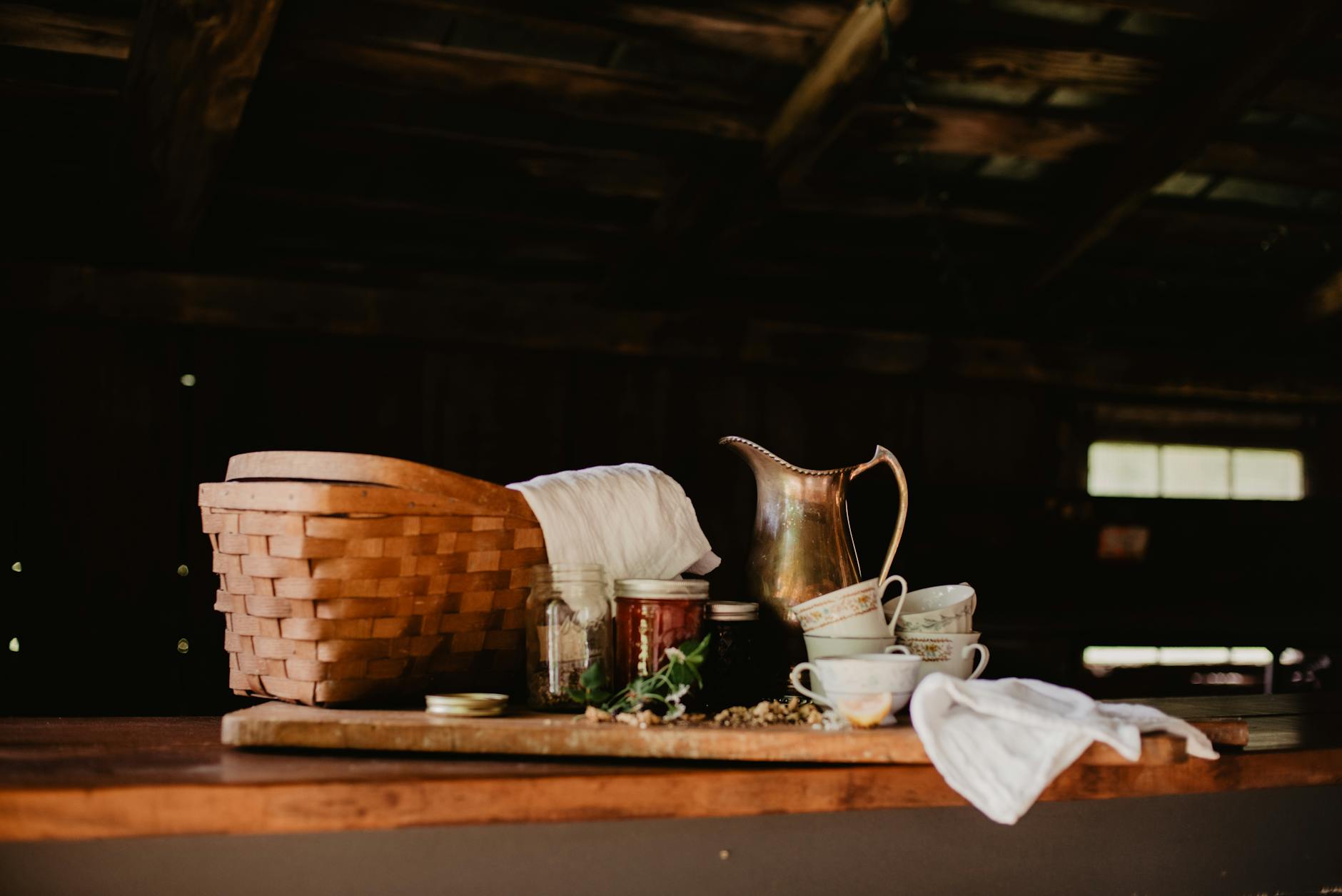
Photo by Emma Bauso on Pexels.com

2. Clear what no longer serves this season

The end of the year is a natural time to gently or ruthlessly let go.

Walk through your home slowly and ask:

  • Is this still useful?
  • Does this support our family life now?
  • Is this weighing us down rather than serving us?

You don’t need to declutter everything. Even clearing one drawer, one shelf, or one corner of a room can bring a surprising sense of calm and order to your home and nervous system. Small acts of order make space for peace.

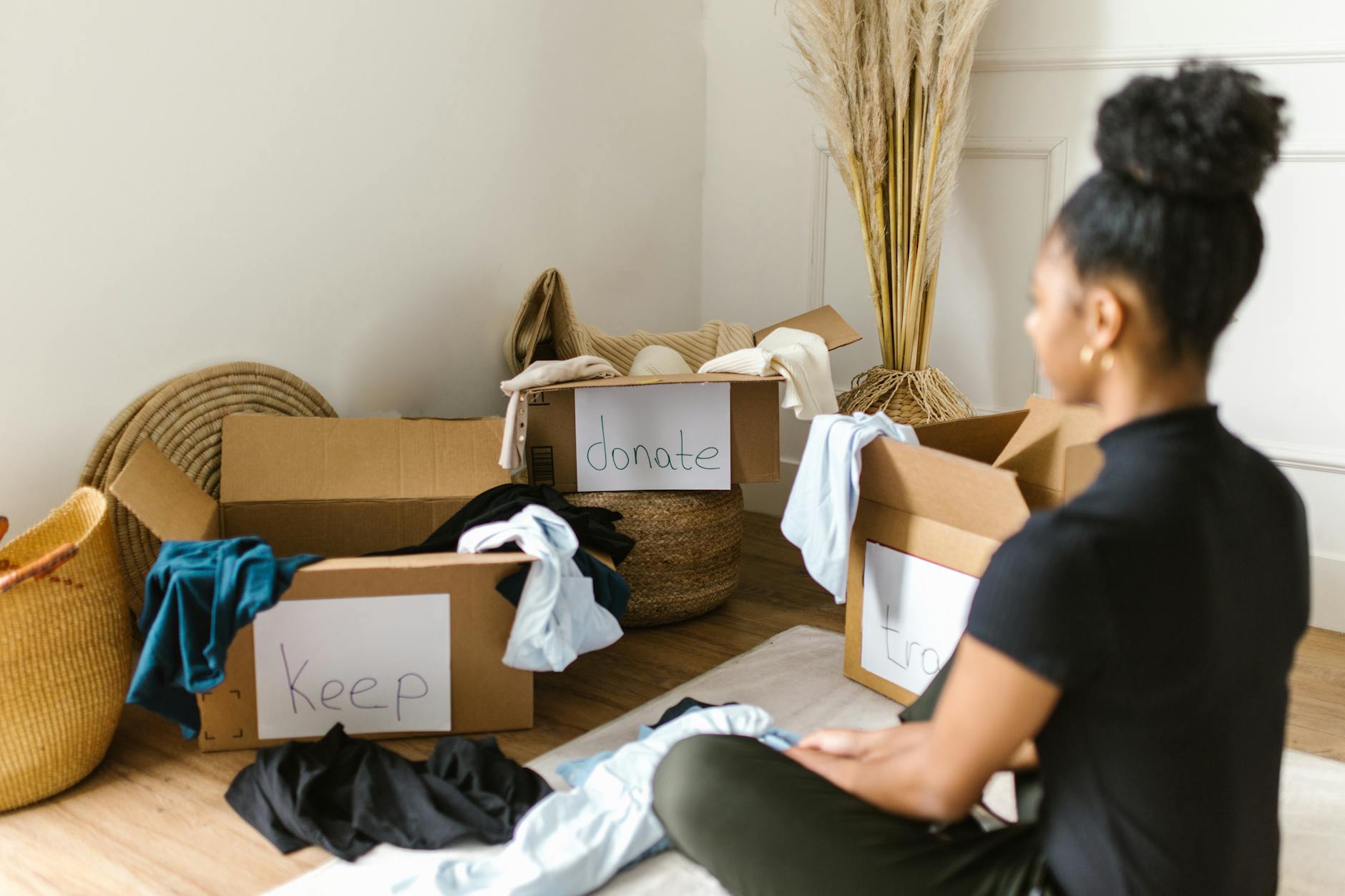
Photo by RDNE Stock project on Pexels.com

3. Refresh the heart of the home

Focus your energy where life happens most — the kitchen table, the living room, the entryway.

Simple resets might include:

  • Wiping down surfaces and returning items to their place
  • Refreshing cushions or throws
  • Lighting a candle in the evening to signal rest
  • Creating a small prayer corner or scripture display
  • Adding some beautiful artwork or sentimental/meaningful prints to your wall

A refreshed space gently reminds everyone who enters that this is a personal place of welcome and rest.

Photo by La Miko on Pexels.com

4. Reset your daily rhythms

A new year is a gift — an invitation to realign the pace of your days.

Consider:

  • Re evaluating your morning routines to set a peaceful tone
  • Evening rhythms that invite rest
  • A weekly reset day to bring order back gently

Ask yourself what felt life-giving in the past year, and what felt heavy. Release what no longer serves your family and keep what brings fruit.

Photo by Tara Winstead on Pexels.com

5. Simplify the schedule

A cluttered calendar can be just as overwhelming as a cluttered home.

As we look ahead to 2026, my husband and I are discussing ways in which we can hold commitments with open hands. It’s okay to leave margin. It’s okay to say no. A slower, simpler rhythm often creates the space where faith, connection, and joy can grow and it’s one of the areas that I am constantly working on improving.

Photo by Karola G on Pexels.com

6. Bring beauty into the ordinary

I 100% believe that beauty does not belong only in galleries, ceremonies, or moments we label as “special.” It has always lived quietly in everyday life—in the way light falls across a kitchen table, in the rhythm of repeated tasks, in the care taken to make something well even when no one is watching. To bring beauty into the ordinary is to resist the idea that daily life must be rushed, is disposable, or purely functional.

This doesn’t have to be elaborate.

A vase of greenery, folded blankets, fresh sheets, or a tidy bedside table can transform the way a space feels. A well-prepared meal, a thoughtfully written message, a clean and calm workspace—these are not trivial acts. They shape how we also feel, how we treat others, and how we experience time.

These quiet acts of care reflect the heart of homemaking — tending what has been entrusted to us.

Photo by Ioana Motoc on Pexels.com

7. Remember: A reset ongoing

Our homes don’t need to be “finished” to be faithful.

Life is lived here — messes, laughter, growth, and grace. Resetting the home for 2026 isn’t about creating a picture-perfect space, but a dwelling where love is practiced daily.

As the year begins, may your home be a place of refuge, prayer, and gentle order — a reflection of the grace that carries and sustains us in every season of our lives.

Alethea x

Will i find fulfillment in motherhood?

Today as I struggled to get all boys to bed for the night I thought to myself, wow – motherhood is a beautiful and transformative journey, and it is also one of the most challenging sacrificial roles I have ever known. The endless nappies, sleepless nights, mental gymnastics, and constant demands often leaves me feeling not only exhausted and depleted, but questioning whether this is the place where joy can truly be found.

In the midst of the chaos, there is a deep fulfillment to be found—a fulfillment that goes beyond the immediate, and touches on the eternal. As Christian mothers, we are called not only to care for our children but to see the sacred in the everyday moments and train them up in the ways of the Lord, even when it feels really really hard (and most days, it does). I believe that God created and uses the role of mother to not only refine and transform us into the best version of ourselves, but to help us see His nature and character as we fall short daily.

It’s in those very moments of weakness—when patience runs thin, when exhaustion settles heavy—that God’s grace meets us most profoundly. Motherhood, in all its labour and sacrifices, becomes a living testimony of His strength made perfect in our weakness. The fulfillment we find is not in our perfection, but in the daily surrender, in knowing that our small acts of love and intentionality ripple through their lives into eternity.

Rocking a baby to sleep, correcting with gentleness (or firmness for the 10th time), or offering a whispered prayer over a child’s future are not insignificant; they are kingdom work. Fulfillment comes when we begin to see that this calling is less about what we accomplish in our own strength and more about how Christ shines through us as we do our best to lean wholly on Him.

What does fulfillment mean practically?

Practically, this means first learning to accept that we will not do it all perfectly. There will be days when the house is messy, the laundry undone, or tempers are tested and we are overstimulated more than we can bear. Accepting our human limitations frees us from the crushing weight of comparison and high expectations, and allows us to lean on God’s strength rather than our own.

Alongside acceptance, we can also be intentional about building rhythms into our days that anchor us in God’s presence—whether that’s beginning the morning with a short prayer before the children wake, listening to Scripture as we fold clothes, or finding small pockets of quiet to breathe and remember whose we are. Fulfillment often grows not from grand, sweeping gestures, but from the faithful repetition of ordinary acts offered to the Lord.

We can also build community into our journey, surrounding ourselves with other mothers who encourage, pray, and walk alongside us. In doing so, we are reminded that we are not alone in this calling, and that together we can point one another back to Christ when the days feel long and tiring.

Motherhood is sanctifying. The hard days do not mean failure; they are opportunities for God to grow patience, humility, and love within us. “Consider it pure joy, my brothers and sisters, whenever you face trials of many kinds, because you know that the testing of your faith produces perseverance.” (James 1:2–3)

Will I be as fulfilled in motherhood? I miss my independence.

I think it’s natural for us to wrestle with the fear of “losing ourselves” in the midst of motherhood. For many, the world measures success by productivity, financial achievement, and visible recognition, and stepping into the unseen work of raising children can feel like stepping away from seen purpose. I remember processing the shock of my time no longer being my own when I had my first son, and feeling like my life was suddenly sucked into a vacuum. As much as I felt overwhelming joy and purpose in this new role, I deeply grieved the freedom and independence that I once felt, because all of a sudden, my life was under a spot light- being constantly watched by a little person!

Yet, Scripture gently reminds us that our worth is not rooted in what we do or what we earn, but in who we are in Christ. Motherhood may shift how our time and talents are expressed, but it does not erase them. In fact, it can refine and deepen them. The same skills of creativity, leadership, and problem-solving that shine in a career are often exercised in new, hidden ways at home and we can build up the courage and incremental time to explore these areas of our lives.

While the world may not applaud nappy changes, middle-of-the-night prayers, or the wisdom spoken into a child’s heart, heaven sees and honours these acts as holy work. The truth is that God does not ask us to trade fulfillment for sacrifice—He calls us to find a richer kind of fulfillment through sacrifice, one that is eternal rather than fleeting.

At the same time, embracing motherhood does not mean abandoning every dream, ambition, or calling outside the home. For some, “their own thing” might be pursued alongside motherhood in a different season or at a different pace, and that is okay. God is not wasteful; the gifts He has placed in you are not meant to be buried, but stewarded in His timing.

What motherhood does invite is a reordering of priorities—placing eternal impact above temporary accolades. It means asking not only, “What makes me feel successful?” but also, “What fruit will last beyond me?”

In this light, I am learning to see that motherhood is not the end of identity or purpose, but the widening of it. It is stepping into a calling where unseen work shapes eternal souls, and where success is measured not by titles or paychecks but by faithfulness and love. The world may not always understand or applaud this, but fulfillment in God’s design often looks different from what culture celebrates. It is slower, quieter, and sometimes hidden—but infinitely more enduring.

I hope this encourages you on your journey.

Alethea x

When you’re a tired mama: 7 promises from God to hold onto.

Encouragement for the Weary and Worn-Out Mum Heart

Mama, I see you. Eyes heavy and burning, shoulders tense, coffee barely warm because someone needed you again—and again. Whether you’re chasing toddlers, holding a newborn at 2 AM, or emotionally drained from the mental load of motherhood, I want you to know this: we are not alone, and our tired heart matters to God.

As a stay-at-home mum of three, I’ve had more “tired” days than I can count. I often joke to my husband that we are in a season of perpetual fatigue and tiredness and this is how I would sum up these years of our lives. Some days it’s physical exhaustion; other days it’s soul-deep weariness that sleep can’t fix. On those days, I’ve clung—sometimes barely—to the promises of God. And every single time, He has proven faithful.

Here are 7 promises from God’s Word that have carried me through the tired, teary, and trying moments. I pray they meet you right where you are.


1. God Will Give You Strength

“He gives strength to the weary and increases the power of the weak.” – Isaiah 40:29

You don’t have to muster up your own strength. His power is made perfect in weakness—and mama, if you’re feeling weak, you’re in the perfect position to receive His strength.

Whisper this: “Lord, I’m weary. Be my strength today.”


2. You Are Not Forgotten

“Can a mother forget the baby at her breast…? Though she may forget, I will not forget you!” – Isaiah 49:15

It’s easy to feel invisible in the daily grind—nappies, dishes, and discipline. But God sees you. He knows every sacrifice, every unseen act of love, and He calls you beloved.

Whisper this: “Even if no one sees, God sees me.”


3. His Grace Is Enough

“My grace is sufficient for you, for my power is made perfect in weakness.” – 2 Corinthians 12:9

On the days when you lose your patience or feel like you’re falling short, His grace is still enough. You don’t have to be a perfect mum—you just have to be a dependent one.

Whisper this: “I don’t have to do it all. His grace covers me.”


4. You Can Cast Every Care on Him

“Cast all your anxiety on Him because He cares for you.” – 1 Peter 5:7

That mental checklist running on loop? The worries about your child’s future? The burden you’re quietly carrying? He wants it all. Not because He needs control—but because He cares for you.

Whisper this: “God, I give you this burden. I trust You with it.”


5. His Peace Guards Your Heart

“And the peace of God, which transcends all understanding, will guard your hearts and your minds in Christ Jesus.” – Philippians 4:7

When your mind is racing and your emotions are frayed, His peace isn’t just a feeling—it’s a guard. One that stands over your heart and mind like a shield.

Whisper this: “Guard my heart today, Lord. Cover me with Your peace.”


6. He Will Finish What He Started in You

“He who began a good work in you will carry it on to completion…” – Philippians 1:6

Yes, motherhood is messy. But God is using every moment—yes, even the ones with goldfish crumbs and toddler tantrums—to shape us and our children. This is holy work.

Whisper this: “You’re not done with me, God. Keep growing me.”


7. You Are Never Alone

“And surely I am with you always, to the very end of the age.” – Matthew 28:20

When the house is finally quiet and you feel a little lost in your own skin… remember: He is with you. In the silence. In the chaos. In the midnight feedings and in the morning mess.

Whisper this: “You are with me, and that’s enough.”


Final Thoughts

Tired mama, these promises are not just pretty words—they are anchors for our soul. When our energy is low and our patience is stretched, may we hold fast to His Word. Speak it over your heart. Tape it to your fridge. Write it in lipstick on your mirror if you have to.

You don’t have to walk this road alone. Your Shepherd is walking it with you—and He will carry you when you can’t take another step.

With grace,
A mama walking it with you

Homeschooling my children is making me feel depressed and like a failure. what should i do?

When Homeschooling Feels Heavy

If homeschooling has you feeling depressed or like you’re failing, please know you’re not the only one. So many parents quietly carry those feelings, even while pouring their hearts into teaching at home.

I almost had a crash recently just because of pure exhaustion and dealing with changing behaviour from one of my boys.

Homeschooling is beautiful, but it can also feel like an endless weight. We are the teacher, the parent, the organiser, the encourager — sometimes it feels like too many hats on one head. And when the day doesn’t go as planned, it’s easy to believe the lie that you’re not enough.

But here’s the truth: you are not failing. The very fact that you care this much already means you’re showing up in the most important way.

If your heart feels heavy and you are flat out exhausted, here are a few gentle reminders from my heart to yours:

  • Keep it simple– Learning doesn’t have to look like a perfectly structured school day. Reading stories together, cooking a meal, going on a walk, or even long conversations all count as rich learning. Our children are always absorbing.
  • Let go of comparison– It’s so tempting to measure ourselves against polished blogs, Instagram accounts, or even traditional schools. But homeschooling isn’t about recreating the classroom. It’s about creating a space where our children can thrive in our family’s way.
  • Find your people– Homeschooling can feel isolating. Most days, it’s just us and our children in all things. So whether it’s a local co-op, a Facebook group, or a few trusted friends, connecting with others who “get it” can lift so much weight off our shoulders. Sometimes just hearing “me too” makes things lighter.
  • Take care of you, too- It’s easy to burn out when all your energy goes into teaching. Make time — even small moments — for things that recharge you. We can’t pour from an empty cup. A quiet walk, a favourite tea, a few minutes of journaling, a warm shower, and chat to a trusted friend— can help us feel more like ourselves.
  • Ask for support when you need it– If your feelings of sadness or failure don’t lift, reaching out to a counselor or doctor can make a world of difference. Getting help is not weakness; it’s strength.

Low-effort homeschooling hacks

I’ve thought of a few “low-effort homeschooling hacks” — ways to give our children meaningful learning while taking pressure off ourselves when things feel heavy.

1. Audiobooks = built-in teacher.
Pop on an audiobook during meals, car rides, or quiet time. Our children absorb so much just by listening — vocabulary, storytelling, history, even accents. (Bonus: you get a little break.)

2. Documentaries & educational shows count.
Sometimes we feel guilty about screen time, but there’s no rule that says learning can’t happen through TV. Nature documentaries, history series, cooking shows, even YouTube channels can spark amazing conversations, learning and curiosity.

3. Turn everyday life into lessons.
Cooking = maths (fractions, measurements), science (how heat changes things), and life skills. Grocery shopping = budgeting and planning. Nature walks = biology. We are always teaching way more than we realise.

4. Lean on online resources.
Free platforms like Khan Academy, Crash Course Kids, or even local library apps can take the teaching role for a while. We don’t have to reinvent the wheel.

5. Interest-led “unit studies.”
Instead of following a rigid schedule, pick something your child is already curious about (dinosaurs, space, baking, bugs) and weave lessons around it. Read a book, watch a video, do a craft — done! Children learn best when they’re interested.

6. Outsource where you can.
Co-ops, community classes, or even a trusted family member teaching a skill can give you breathing room. You don’t have to be the expert in every subject.

7. Embrace “slow days.”
Not every day has to be full of worksheets and structured lessons. Sometimes a day of reading, drawing, building Legos, or just talking counts just as much as the busy days.

On the really heavy and exhausting days, I remind myself that the secret to homeschooling is that it doesn’t have to look like school at home. The most powerful thing our children gain is the time, attention, and love that I am giving them.

Love, Alethea

When I felt like I was losing myself — and found something deeper

Somewhere between the third load of laundry and the fourth spilled cup of juice on the carpet, I walked into the toilet, looked in the mirror and wondered — What is this, and where did I go?

I’m a wife. A mother to three precious souls. A homemaker. A nurturer. A giver. And I love them — fiercely. Yet it doesn’t always keep away the quiet ache, a whisper I can’t quite ignore; I miss me.

It’s not that I want to run away from this life. It’s that sometimes I wonder if I’ve been swallowed up by it.

There was a time not long ago when I felt so seen. I ran a small stationery business — The Echoes of Her Heart. It was more than paper and pretty things. It was a ministry. A space where I could pour encouragement into the hearts of Christian women through words and beauty and intentional design. It gave me a voice. It gave others hope. And in it, I felt purposeful — like I was doing something that mattered beyond my four walls.

Closing that chapter wasn’t easy. I let it go slowly, with tears and prayers, not because it stopped meaning something — but because God was shifting the season. He was calling me inward, deeper into the quiet, deeply incredible work of motherhood and building up my home. And honestly? That surrender and shift felt a little like death.

I used to feel independent. Now I ask permission just to go to the bathroom alone.

I used to feel accomplished. Now my victories are things no one sees: a meltdown calmed, a sibling fight diffused, a meal made from what looked like an empty fridge.

The world doesn’t clap for these things. And sometimes, honestly, neither do I.

But also, somewhere in the quiet, I hear a different voice — not my own, and not the world’s.

“Whoever loses their life for My sake will find it.”
— Matthew 10:39

Could it be… that what feels like losing myself is actually where I’m being found?

Not in the platforms I once held, but in the hands and hearts I now hold every day.
Not in being known, but in being faithful, loving, kind, and generous with my life in a different way.
Not in independence, but in total, daily dependence on the grace and strength of God.

I’m learning that letting go of The Echoes of Her Heart wasn’t the end of my purpose — it was a redirection. A reminder that my identity isn’t in what I produce, and not even in motherhood, but in Who holds me. And that ministry doesn’t end just because the form changes. Sometimes it just moves to the kitchen floor, the bedtime story, the sweet hugs and pecks from my sons.

This season asks more of me than I ever thought I had to give. But it’s also giving me something back — a deeper love, a stronger faith, a truer sense of self.

So no, I don’t think that I’ve lost myself in motherhood.

I’m being refined and re-defined.

Not erased. Rewritten.
Not emptied. Poured out — and filled with something better than I ever planned.

And maybe, just maybe, the version of me I’m becoming is closer to who I was made to be all along.

The invisible (yet powerful) economy of homemaking

There’s a quiet economy at work within the walls of a home—one that doesn’t show up on pay slips, spreadsheets, or CV’s. It’s an economy of presence, peace, and provision – one that has taken a long while to settle in my own heart. Coming into marriage and home life from the path of corporate career experience and ambitions , this new path forged by my husband and I was one riddled with insecurity and uncertainty on my part. Accepting that there is also so much worth here, and also means to steward, be creative with and multiply our income breathed new life into my understanding and vision of the home economy.

Homemaking may not always earn an income, but it builds something far richer: stability, trust and belonging. The fruit of it isn’t always immediate, but it is lasting—and far-reaching and in today’s post I want to share a little bit about that.

What is a home economy?

A home economy refers to the way resources—both tangible and intangible—are managed within a household. Traditionally, it’s about how a home operates in terms of stewardship, budgeting, production, and care, all within the unique rhythms and values of a family. It’s not just about money; it’s about the whole ecosystem of a home and how it’s sustained.

A few key elements of a home economy

1. Resource management

This includes managing time, money, energy, food, space, and even emotions of all those that live in your home. Budgeting, meal planning, scheduling, and caregiving are all forms of resource stewardship that keep the household running smoothly.

2. Homemaking as production

While we often think of “production” as something that happens outside the home because it can be measured and scaled, a homemaker also produces meals, routines, clean spaces, emotional support, traditions, and a sense of safety. These things are intangible, and they form the culture and stability of a home.

3. Values-based priorities

Every home has its own “economic system” based on what it values most—peace, hospitality, learning, sports, health, faith, or rest etc. The home economy reflects those values in how time and energy are spent. It’s a slow, often invisible investment in people and purpose.

4. Relational economy

At the heart of the home economy is relationship. Time spent nurturing children, building a marriage, or hosting others isn’t transactional—it’s transformational. It builds emotional wealth and spiritual inheritance that can’t be bought.

So yes, I don’t currently earn a paycheck anymore in the way that I have grown up to know it because in this season, my work is to build up my home economy so that as a family unit we work really well.

There are no deposits with my name on them. No promotions, no raises, no quarterly reviews. No line in our family’s budget that’s “mine,” and for a long time, that quietly haunted me.

While I pour out my days in love and labour — in lunch bags, washing and wiping — a small voice sometimes whispers: “But you’re not contributing. You’re just dependent.”

I used to have my own income. My own purchases. My own ability to say, I’ve got this.

Now, as a full-time homemaker, I offer different gifts: patience, consistency, planning and organising. peacekeeping, cooking, teaching. praying for and with my family, giving big deep hugs, love and smiles to my family. These are not things you can quantify — or add to a bank account.

And that’s exactly what makes this role hard to value in a world that ties worth to a salary.

Sometimes I second-guess even small purchases. I hesitate before I press “buy,” not because I don’t trust my husband’s love, but because something in me wonders if I’ve earned the right to spend. Even in a marriage built on grace, that weight can linger.

And yet, here’s what I’m learning:

I may not bring home a paycheck — but I bring everything else.

I bring a steady presence.
I bring a safe home.
I bring meals, prayers, structure, softness, and sacrifice.

And most importantly, I bring my whole self.

That’s not financial dependence. That’s soul investment.


A Kingdom Perspective

The world sees one income and a woman who has “given it all up”, but God sees a household held together by mutual trust and quiet faithfulness. In James 1:17, we’re reminded:
“Every good and perfect gift is from above, coming down from the Father of lights.”

The income we live on is His. The work I do here — unseen, unpaid — is also His. There is no hierarchy in the Kingdom economy. There is only obedience. And while I may not get paid in pounds, I remind myself often that I’m being paid in something far deeper: Moments. Memories. Heart-shaping. Soul-growing. A front-row seat to childhood, and my life.

So if you’re feeling the ache of not earning…

If you’re wondering if you’re doing “enough” because you’re not bringing in money… Remember: your value is not attached to a paycheck. You are not a burden — you are a builder. You are not dependent — you are entrusted.

God is not asking you to bring income.
He’s asking you to bring faithfulness, trust and your heart each day.

And friend, that’s exactly what you’re doing.

Reframing the perspective for stay at home mums

Choosing motherhood and homemaking is far from a wasted life.

In a world that often equates success with visibility, speed, and accolades, choosing a life of motherhood and homemaking can feel quietly radical.

It’s a path full of unseen moments—toys everywhere, whispered prayers of desperation, patient corrections, and countless acts of service that rarely make headlines. But what the world overlooks, God treasures. This life—your life—is not small. It is sacred.

This post is an invitation to see your everyday with new eyes. To shift from simply surviving the tasks of home and motherhood to embracing them as part of a deeper calling. You’ll find encouragement to anchor your heart in truth, to find purpose in the small things, and to remember that your role carries eternal weight—even when no one else sees it.

What I feel

“This matters”. It is a constant, inner dialogue between my heart and mind—reminding myself that this path, though often unseen or undervalued, holds deep meaning and purpose.

Culture tells me that a successful life looks a certain way—the way of the majority. Because it has been glamorised, measured, and praised, so anything outside that mold can feel small or insignificant.

But the truth is, shaping a home is no small task. Nurturing children, creating peace in a space, building traditions, and tending to the needs of a family requires wisdom, strength, and a kind of love that doesn’t always receive applause. There are no promotions or performance reviews here—only the quiet, sacred rhythms of service and presence.

Still, there are days when the lies whisper louder than truth. Days when dishes pile up, children cry non stop, don’t listen and fight all day, and the world outside feels like it’s rushing ahead while I move slowly, wearily and deliberately, through another load of laundry. I sometimes wonder, Is this enough? Am I enough? And in those moments, I have to claw my way back to what I know deep down: that the unseen work of love is never wasted.

I’m learning that success isn’t always visible, and won’t always feel instant. Sometimes it looks like a child who feels safe, a marriage strengthened by small acts of kindness, or a home filled with peace and a warm meal rather than “perfect”. These things can’t be measured by certificates of well done or accolades, but they matter—deeply. I may not be building a career by the world’s standards, but I’m building something far more eternal: hearts, values, and a legacy of love.

Being at home is a deeply meaningful calling that I am finding is not just shaping my children, but also changing me.

Here are a few thoughts that I hold onto to encourage myself on this journey. I hope they’ll also help you in reframing your perspective if you are a stay at home mum.

1. Recognise the eternal value of your role

It’s easy to overlook the significance of what you do when so much of it happens behind closed doors and without recognition. But motherhood and homemaking are not just tasks—they are eternal investments. Instead of seeing homemaking as mundane, view it as a God-given calling to shape and nurture your family. Proverbs 31:27 says, “She watches over the affairs of her household and does not eat the bread of idleness.”

Every meal prepared, every gentle and firm correction, every bedtime story and prayer whispered over a sleeping child is a seed planted into a soul. Yes, these quiet, repetitive acts may seem ordinary, and can get tiresome, but in God’s eyes, they are weighty with purpose. We are shaping hearts, anchoring lives, and reflecting His love in the most tangible way. We shouldn’t underestimate the eternal value of our role—it reaches far beyond what the eye can see.

2. Shift from “just a mum” to “A builder of the home”

I heard a good friend of mine refer to herself in this way and it struck me deeply. I thought “wow what a beautiful and thoughtful way to describe your presence and role in your home”.

Maybe you’ve heard it said,—or have said it yourself—with a shrug: “I’m just a mum” ” I stay at home with the kids”. After your journey of pregnancy and childbirth, that phrase just carries a weight of dismissal that doesn’t belong. Motherhood is not a lesser calling; it is a foundational one. How quick we are to forget this.

When we shift our mindset from just a mum to a builder of the home, we begin to see our days differently. We are not merely managing messes—we are laying bricks of stability, love, and faith. We are crafting the atmosphere our families breathe. A builder is intentional, strong, and purpose-driven—and that is exactly what you are. You’re not filling time; you’re forming lives.

The world may minimise homemaking, or trivialise it, but Scripture elevates it. Titus 2:4-5 encourages women to love their families and care for their homes. Instead of saying, “I’m just a stay-at-home mum,” say, “I am building a home filled with love, faith, and peace.” Our work is foundational to a thriving household.

3. Find purpose in the small things

So much of homemaking and motherhood is made up of the small things—folding socks, wiping counters, answering endless questions, preparing yet another meal. It can feel unnoticed, repetitive, and, at times, insignificant. I’ve had days when I felt like I would explode with the overwhelm, yet it’s in these very moments that purpose quietly blooms. I know that God doesn’t just measure worth by grand gestures or public applause; He sees faithfulness in the hidden places, and I have to remind myself that when I choose to serve with love in the mundane, I am living out a holy calling. The small things—done with a willing heart—are not small to Him. They are sacred building blocks of a life poured out in love.

When the days feel heavy or unnoticed, pause and whisper a short prayer over what you’re doing—“Lord, let this simple act be an offering of love.” It helps shift your focus from the task to the purpose behind it. Even a folded towel can become holy ground when done with intention and grace.

4. Prioritise personal & spiritual growth

In the busyness of serving everyone else, it’s easy to forget that your soul needs tending too. But personal and spiritual growth aren’t luxuries—they’re lifelines. This is one of the areas that I struggle in often due to sheer exhaustion and lack of motivation at times.

Yet when we pour out daily for our families, we also need space to be poured into- well. Growing in your faith, learning new things, or simply taking quiet moments to reflect are not selfish acts—they’re wise and necessary. A nourished soul creates a nourished home. The more rooted you are in truth, the more grace, patience, and love you’ll have to give. You can’t pour from an empty cup, and God never asks us to run dry.

I start my day—even if it’s just five minutes—with a verse, a journal, or a whispered prayer before the house wakes. It doesn’t have to be long or perfect. What matters is the consistency of showing up and making space for your heart to breathe.

5. See homemaking as a ministry

It can take time to view our homes as a place of hospitality, love, and discipleship. I used to believe that anything worth doing had to be seen and felt by the masses, however ministry doesn’t only happen on stages or in mission fields; it happens right here—in our kitchens, gardens, and bedtime routines. When you begin to see your home as holy ground, the ordinary transforms into something sacred. Your faith is lived out in real time, shaping hearts in the most personal and lasting way.

We are the first example of Christ our families see day in and day out. Our kindness teaches grace, our patience teaches peace, and our sacrifice teaches love over time. Though this kind of ministry may not be noticeable immediately, its impact reaches far into eternity. It’s important to train our minds to start viewing our daily work through the lens of worship. Whisper this simple reminder to yourself: “This is not just work—it’s worship. This is not just a house—it’s a haven.” When we frame our homemaking as service to God, even the smallest acts take on eternal significance.

6. Embrace the season you’re in

Ecclesiastes 3:1 tells us, “There is a time for everything, and a season for every activity under the heavens.” It’s a verse I think about often because it helps to center me in the truth that nothing truly lasts forever. Motherhood and homemaking may feel all-consuming now, but this season is temporary. Every season of life brings its own rhythm—some fast and full, others slow and stretching. It’s easy to look ahead and long for the next stage, or to look back and grieve what’s passed (guilty). Yet there is beauty and purpose right where we are.

God doesn’t waste seasons.

Whether you’re in the thick of newborn days, navigating school years, or adjusting to a quieter home, there is something He wants to teach you here. Embracing the season you’re in doesn’t mean it’s easy—it means we are willing to see it as meaningful, even in the mess, the mundane, or the mystery.

When we stop resisting the present and start receiving it, peace begins to grow. It frees us from comparison and expectation and allows us to truly live the moments we’ve been given. This season—whatever it looks like—is part of your story, part of your shaping, and part of the legacy you’re building.

Here’s a tip for you: write down three things each day that are unique to this season and thank God for them. Gratitude softens the edges and helps our hearts settle into the now.

Final thoughts

To the women quietly walking this road—those who have chosen to pour their lives into homes, children, and the unseen corners of daily life—know this: your work matters. It is not small. It is not second-rate. You are part of something sacred, something that will echo through generations. When the world questions your worth, hold fast to the truth: choosing love, presence, and faithfulness is never a wasted life. In fact, it may be the most meaningful work of all.

How to find value being at home

I remember the day I had THAT conversation with my boss, and handed in my resignation. I had a reliable job, a predictable rhythm, a reason to dress up, show up, and get things done. There was clarity in that world — performance reviews, deadlines, emails, rewards, outcomes. Yet I knew God was calling me out of it. Not because the work wasn’t good, but because from the moment I gave birth to my first son, I could sense Him whispering something deeper in my heart: Come home.

So with questions, fears, uncertainty and courage I said OK.

In many ways, it was beautiful. Slower mornings. More time with my babies. The chance to build something sacred behind the scenes.

But it wasn’t all soft lighting and a peaceful, pristine looking home.

What I didn’t expect was the quiet ache — the questioning of my worth, the mental weight of the mundane and of caring for all the people in my home, the way my world seemed to shrink even as my responsibilities multiplied. I left one kind of work and entered another — one that was far less recognised, but no less demanding.

I struggled to understand how valuable I could be, and yet, again and again, the Lord kept on reminding me: This work matters.

If you’re reading this as a mother who’s come home full time — or is thinking about it — and you’re struggling to feel the value in what you now do day after day, I want to gently offer this space and my thoughts. Not a formula or a fix, but a re-framing. A way to see our role not through the lens of the world, but through the eyes of a God who honours faithfulness in the hidden places.

This is for the mothers, the homemakers, the soul-weary women wondering if they’re doing enough.

I’ll be sharing some honest thoughts about why it feels hard to find value at home, and talk about how to find value here — not just in spite of the hiddenness, but because of it.


Cultural expectations & feminism’s influence

For much of modern history, staying home with your children was the norm. But in recent decades, the cultural message has shifted: women are told that success means being independent, career-driven, self-actualised, and visible in the public sphere. While there’s a lot of beauty in the opportunities now available to us as women, it can also create confusion and guilt when we recognise that are hearts are naturally tethered to home and yet we feel as though by saying yes to home, we are “wasting our potential” or “playing small.”

Many waves of feminism brought important progress: voting rights, workplace protections, and educational opportunities. But along the way, the narrative subtly shifted to suggest that “real empowerment” looks like career success, financial independence, and freedom from traditional roles. In that framework, choosing to stay home — to embrace motherhood as your main vocation — can be seen as backwards, even disempowering. It’s hard to feel proud of something the culture says we should have outgrown.

I am not sure if you’ve felt it, but I have felt the unspoken expectation that women should be mothers and entrepreneurs, and influencers, and side-hustling creatives. Being “just a mum” or “just at home” feels too quiet — too hidden — to count. But that’s a cultural lie, not God’s truth. Faithful homemaking might not be flashy, but it’s foundational. It builds souls. And the people right in our homes, matter just as much and even more than public applause.

Yet because society puts such weight on measurable outcomes, many of us who choose to be stay at home mums feel the need to justify our time: starting a small business, monetising a hobby, or curating a perfect online presence — just to prove that we’re still contributing. But this pressure can steal the peace and purpose of the home-centered calling, turning rest into hustle.

In Titus 2 and Proverbs 31, we see that home-making, child-raising, and nurturing a household are deeply valued by God. Not because they limit a woman, but because they root her in Kingdom work. It’s not about traditionalism — it’s about truth. God created women with the capacity to conceive, carry, nurture, cultivate, and lead in ways that often flourish in the context of home. That calling is not second-class. It’s sacred.

Do not conform to the pattern of this world, but be transformed by the renewing of your mind. Then you will be able to test and approve what God’s will is—his good, pleasing and perfect will. Romans 12:2


Lack of Recognition & Value

What I didn’t fully understand when coming home, was that homemaking and motherhood involve countless tasks—cooking, cleaning, childcare, emotional support—but these contributions often go unnoticed. Unlike a job with promotions and recognition, being a homemaker doesn’t come with tangible rewards or external validation, making us easily feel as though our work is invisible and undervalued, if we do not find encouragement and conviction within.

As human beings, we long to know that what we do matters. That our labour isn’t just effort, but impact. When society consistently overlooks or minimises homemaking — treating it as “less than,” unpaid, or unambitious — it chips away at the sense of purpose that comes from it. It becomes hard to keep showing up with heart when the world acts like you’ve opted out of something more “valuable.” Especially when we are also dealing with the chaotic and unpredictable nature of raising young children.

Modern society tends to praise what earns money, what’s seen, and what scales, and in turn we do too. But homemaking is slow. It’s deeply relational, cyclical, and intimate. You don’t “finish” homemaking — you return to the same dishes, the same floors, the same emotional needs every day. Pouring, filing, loving, and caring. Without broader cultural affirmation, it’s easy to internalise the lie that this work isn’t “real” work.

More times than I care to admit, I have wondered Am I doing enough? Am I wasting my potential? Would I be more respected if I were doing something else? It’s especially on the days when fatigue is at an all time high, I am over touched, stimulated and extremely short on patience. I realise that taking the time to build a home requires maximum effort and strategy.

In Colossians 3:23, Paul writes: “Whatever you do, work heartily, as for the Lord and not for men.” That includes laundry, nappy changes, making dinner, planning the week ahead. The unseen and the unglamorous. When we lose sight of the fact that homemaking is holy work — offered not just to our families, but to God — we start to believe the world’s narrative instead of God’s.


But here’s the truth:

Homemaking is not small. It’s kingdom work.
It’s soul-tending, heart-shaping, and legacy-building.
It’s building a haven in a chaotic world.
It’s servanthood, often without applause — but always seen by the One who matters most.

And when you feel the sting of being undervalued, remember: even Jesus washed feet. Not for applause, but for love.


Loss of Identity & Independence

Many women struggle with losing a sense of self when they dedicate their lives to their families. Before children, I had a career, hobby, and a clear idea of my creative pursuits. The shift to full-time homemaking felt isolating, especially with a lack of support and a big reduction in my time and energy to pursue creative outlets that would allow me to maintain my personal growth.

Likewise, homemaking can blur your sense of self. Before motherhood or homemaking, my identity was certainly tied to things like a career, personal interests, achievements, and even my name — not just “Mum” or “Babe” or “Where’s my sock?” Suddenly I found that my life had become centered around meeting everyone else’s needs, it can be easy to forget who you are apart from your roles.

Being a homemaker often means surrendering personal time, adult interaction, and even financial independence. You can’t clock out. The truth is that you can’t always make choices for yourself without considering how they affect everyone else. Even simple things — like going to the shop alone — become luxuries. That loss of freedom, if not acknowledged and supported well, can lead to quiet resentment or a sense that your life has been absorbed into everyone else’s.

Society doesn’t celebrate self-giving — it celebrates self-fulfillment and we live in a culture that preaches: Be your own boss. Chase your dreams. Put yourself first. But homemaking often calls you to do the opposite: to put others before yourself, to lay down parts of your life (even temporarily) for the sake of another. That’s radically countercultural — and when the outside world keeps shouting that you’ve “lost yourself,” it can be hard not to wonder if it’s true.

Without margin — emotional, spiritual, or creative — it’s also easy to feel like you’re just surviving, not becoming and thriving. And when you don’t see yourself growing, it can feel like you’re stuck, like who you were is slowly fading without something new rising in its place.


But here’s the truth:

Jesus said, “Whoever loses his life for my sake will find it” (Matthew 10:39). This isn’t about erasing ourselves, but about allowing God to reshape our identity in deeper, eternal ways. While the world tells us to find ourselves by doing more, the Gospel tells a different story: we find our truest self in the laying down, in the unseen faithfulness, in the love that gives.

You have not lost yourself.
You are being formed — in the hidden places, in the daily choices, in the humility of service.
You are becoming more whole, not less — even if it feels like a breaking.
Your identity is not erased by motherhood or homemaking; it is being refined, like gold in the fire.

Your value is not in what you produce or how free you feel — but in who you are, and Whose you are.


Monotony & Mental Load

Homemaking is a loop, not a finish line. You clean the kitchen… only for it to be messy a few minutes later. You fold the laundry… only for more to appear within hours. There’s no final product. No final “ta-da!” moment. It’s a well worn and well lived connected life and the constant repetition can make our work feel invisible — and even pointless at times — even though it’s deeply meaningful.

Also, the mental load of homemaking is relentless. We are the keeper of appointments, groceries, events, clothing sizes, emotional climates, relational tension, snack preferences, and who last took a bath. The planning is a full-time job in itself — and unlike a paid role, there’s no handoff at 5 p.m., no weekend shift rotation. You carry it all, often silently.

I’ve found that it’s also hard to feel creative or alive when I am running on empty. The monotony of routines — breakfast, dishes, naps, dinner, repeat — can numb the soul if there’s no space for rest, worship, or beauty. Without outlets to create, explore, or be poured into, it’s easy to feel like you’re just surviving, not living. That lack of stimulation or personal growth can make the role feel more like duty than delight.


The Truth Beneath the Tiredness

The world may not reward the daily acts of care, but the Kingdom does. In Matthew 6, Jesus reminds us that the Father who sees in secret will reward you. Folding laundry with love, wiping counters with grace, answering the same question a hundred times with patience — these are hidden offerings and in God’s economy, hidden doesn’t mean insignificant.

You are not failing because you’re tired of the monotony.
You are not less holy because you feel overwhelmed.
You are a human carrying sacred work that was never meant to be glamorous — only faithful.

You are building rhythms of safety, love, and consistency for your family. That kind of work is the foundation of flourishing — and though it feels like monotony, it’s actually soul-shaping repetition.

And yes, the mental load is real. But so is the God who offers rest to the weary, and wisdom to those who ask.


Financial Dependence

This is also a tough area for me, because we live in a world that says, “If you’re not contributing financially, you’re not contributing.” It’s subtle, but it’s everywhere — in media, conversations, even internal narratives. When you’re not bringing home an income, it can start to feel like you’re not pulling your weight, even though you are carrying the emotional, physical, and spiritual load of an entire household. When you’re not earning income, spending money — even on small things — can start to feel loaded with guilt or hesitation.

You may second-guess your needs, delay purchases, or feel like you have to justify everything. I have had to become more disciplined in this area which is a good thing, and share honest worries with my husband so that I remember that we are one team.

If you once earned your own income, managed your own schedule, and made financial decisions independently, the shift to relying on someone else — even your loving spouse — can feel like a loss of self. It definitely did for me! I’ve found myself grieving that freedom, even while being very grateful for my current role. Even in the most loving, grace-filled partnerships, money has power. When one person earns and the other doesn’t, there can be subtle dynamics of control, decision-making, or even self-censorship. You might feel like you have “less say” or like your contributions are less tangible — even though they are absolutely vital.


The Truth Beneath the Insecurity

Scripture reminds us in James 1:17 that “Every good and perfect gift is from above.” Your household may be operating on one income, but ultimately, it’s not your spouse who sustains you — it’s God. He is the provider, and He honours the unseen labour of the homemaker just as much as the work of the one earning the paycheck. The Proverbs 31 woman didn’t just bring home income — she brought wisdom, order, nourishment, and strength to her home. That’s kingdom wealth.

You may not sign a paycheck.
But you sign every permission slip, every grocery list, every appointment reminder.
You orchestrate peace, build schedules, soothe hearts, make dinners stretch, and turn houses into homes.

That’s not dependency.
That’s investment.
And it’s legacy work.


Comparison & Social Media Pressure

Social media shows the best 5% of other people’s lives — the spotless kitchens, perfectly dressed and coordinated children, mums who seem to juggle business, baking, Bible study, and beauty sleep without blinking. When I look at my life, it often doesn’t look anything like that. It feels as though I am living in my real 100%: the messes, the meltdowns, the mental fatigue, and this gap creates an ache — not because I am failing, but because I am human.

Homemaking doesn’t often look impressive online. Unless your home is photo-worthy, you have a lot of hired help, or you’re doing a trendy renovation, homemaking work is rarely celebrated on social media. Folding laundry, managing sibling fights, or planning meals on a tight budget aren’t “Instagrammable.” So the slow, sacred faithfulness of your daily work feels again invisible. Forgettable. Less than.

Maybe you see women your age launching businesses, writing books, or speaking at conferences while you’re just trying to get everyone to the breakfast table without tears and spilt milk. I tell you, those mornings can sometimes send me right over the edge and I start to wonder: Am I wasting my life? Should I be doing more? It’s easy to forget that your “more” might not be loud or public — but it is just as meaningful.


The Truth Beneath the Scroll

In Galatians 6:4, Paul says, “Each one should test their own actions. Then they can take pride in themselves alone, without comparing themselves to someone else.”
God didn’t call you to someone else’s life. He called you to this home, these children, this season. Not to impress the world, but to serve Him in secret — where true treasures are stored.

You don’t need to look like her.
You don’t need to do what she’s doing.
You are not behind. You are not less.

If you’re building a home of peace, if you’re shaping hearts with gentleness, if you’re staying faithful in small, unseen ways — you’re doing holy work.

Social media might not clap for you.
But heaven sees.
And heaven applauds.


Spiritual & Societal Misalignment

For Christian women, homemaking can be viewed as a calling, but modern culture often dismisses faith-based perspectives on motherhood and family life. I feel the tension between my biblical values and society’s messaging that a career is the only path to fulfillment. Society says: Be independent. Be ambitious. Be seen. The Gospel whispers: Be faithful. Be humble. Serve in secret.

These two voices aren’t always at war — but they rarely walk hand-in-hand. When you choose homemaking as your calling, you might feel like you’re swimming against the current of modern culture, where success is often measured by visibility, productivity, and external achievement.

Choosing to stay home, serve your family, and live quietly before the Lord is sometimes seen as regressive or even oppressive. The modern narrative says, You deserve more than dirty nappies and dishes. And that message can make even the most joyful homemaker second-guess herself. It’s hard to feel empowered when your life looks so radically different from the cultural script.

When your life is rooted in spiritual conviction, but the world doesn’t understand or value those convictions, it’s easy to feel isolated. Homemaking, done unto the Lord, is an act of worship. But worship isn’t always recognised. It doesn’t win awards or get likes. That can be disheartening — unless your eyes stay fixed on Jesus.

Sometimes, even Christian spaces elevate platformed ministry over quiet obedience. You might feel less “useful” because you’re not leading a study, writing a book, or starting a business — even though you’re building a home, sowing Scripture into your children, and laying down your life daily. It’s a lie that says only public faithfulness matters.


The Truth Beneath the Tension

You were never meant to fit perfectly here.
Your calling as a homemaker — shaped by the Spirit, anchored in Scripture — will look strange in a culture that chases self-glory.

But that doesn’t make it less sacred.

It makes it set apart.

You’re not behind. You’re not small.
You’re right where God has placed you — and that is holy ground.


Reframing our perspective

Homemaking will rarely get a standing ovation from the outside world.
There are no medals for folding the fiftieth load of laundry, no awards for whispering peace into a toddler’s tantrum, no public applause for creating a home where hearts can exhale.

But there is a quiet glory here.

A sacredness in the slow.
A strength in the unseen.
A worship woven into the wiping, the washing, the welcoming.

When we reframe our perspective, we begin to see homemaking not as a lesser path, but as a deeply formational one — shaping souls, stewarding peace, and partnering with God in the hidden rhythms of redemption.

We are not “just” at home.
We are curating spaces where people are known, nourished, and nurtured.
We are writing legacy in the ordinary.

And maybe the world will never quite understand.
But heaven does.

God sees every quiet sacrifice, every faithful choice, every moment when you lay down your life in love — and He calls it beautiful.

So let’s lift our eyes.
Let’s reframe the work.
Let’s remember that this, too, is Kingdom ground.

You are not less because you are at home.
You are planted here — with purpose.

And that, dear friend, is a holy calling.

Tips for a productive and haven like feel at home.

Hey mama!

I hope you’re well!

As we journey together through the beautiful and sometimes challenging adventure of learning and being at home together as a family, I find myself reflecting on how our physical environment profoundly impacts our ability to absorb knowledge, be inspired, feel free and grow. Just as God created a world of order and beauty for us to thrive in, we too can create a haven of peace, order, inspiration and productivity within our homes.

Today, I want to share some tips on doing just that- specifically, setting up a productive and clutter-free learning and living environment. I hope you’ll be able to add some of these ideas into your own home!

Embrace the sanctuary of learning

When it comes to being inspired to learn (for our children and for ourselves), first and foremost, it’s important to designate a specific area for this no matter how small your space is. This space should be a sanctuary, a place where your heart and mind can focus solely on the task at hand. Choose a spot in your home that is quiet and comfortable, away from the hustle and bustle of daily life. Just as Jesus often retreated to quiet places to pray and reflect, we too need a quiet place to concentrate and learn.

This intentional space becomes a sanctuary where distractions are minimised, allowing our minds to concentrate fully on the task at hand, whether it be absorbing knowledge, engaging in heartfelt prayer, or nurturing a child’s curiosity. A dedicated environment fosters discipline and consistency. For children, having a defined learning area signals the importance of focus and establishes a routine that supports their development. By setting apart these sacred spaces, we honour our commitment to learning and spiritual growth, creating a haven where we and our children can flourish well.

Keep it simple and organised

Keeping our homes simple and organised is a beautiful reflection of the order and peace God desires for our lives. I don’t know about you, but a well-organised home reduces stress for me and allows us all to focus on what truly matters – our relationships, our faith, and our personal growth. This is an area that I am particularly keen on for the children. By eliminating the clutter that they can see, I am trying very hard to create a serene environment where their minds and spirits are not overstimulated, but feel at rest and rejuvenated. This simplicity also helps us to be better stewards of the blessings we have been given, as everything has its place and purpose.

Minimise distractions and digital discipline

The world is full of distractions, and our homes if they are to be a place of tranquility can reflect the opposite which is calmness and peace.

Remember the words of Psalm 46:10, “Be still, and know that I am God.” In this stillness, we can hear His guidance in our hearts. To keep digital distractions at bay and cultivate a peaceful home, we really try to establish thoughtful boundaries and practices around the use of technology. We work hard to designate specific times and areas in our home that are free from electronic devices, such as meal times, family gatherings, and bedrooms. This not only reduces distractions but also fosters deeper connections and more meaningful interactions. We encourage a lot of activities like reading, playing games, or engaging in conversations.

With the boys tablets (which they use occasionally for learning), we use tools and apps that help manage screen time, such as setting limits on usage and scheduling downtime for all devices. Turn off non-essential notifications to prevent constant interruptions, and consider creating a central charging station where devices can be stored out of sight when not in use. Encourage family members to be mindful of their screen habits by setting a good example yourself and discussing the importance of being present and engaged in the moment.

Regular decluttering

Regular decluttering is essential for maintaining a peaceful and calm home, as it reflects the order and simplicity God desires for our lives. In our daily walk with Christ, we are called to cast off anything that hinders us and run the race with perseverance (Hebrews 12:1). In the same way, decluttering our physical space can help us to remove the unnecessary and focus on what truly matters. When we rid our homes of excess, we create an environment where our minds can rest and our spirits can breathe. This simplicity mirrors the peace that surpasses all understanding, which God grants us when we align our lives with His purpose.

Moreover, regular decluttering allows us to be better stewards of the blessings God has given us. When our homes are cluttered, we can feel overwhelmed and distracted, unable to fully appreciate the gifts around us. By organising and simplifying our spaces, we can cultivate gratitude for the things we truly need and love. This practice not only enhances our physical surroundings but also nurtures a heart of contentment and mindfulness. As we create a serene and orderly home, we open the door to more meaningful interactions with our loved ones and deepen our relationship with God, embracing the harmony He intends for our lives.

A Personal Touch

Finally, personalise your space with meaningful items – a plant, a family photo, or a piece of Scripture art. These touches make our spaces inviting and remind us of God’s presence and love. Ensure these items inspire rather than distract, maintaining the balance of beauty and simplicity. I have written a blog post on cultivating a Christ centered home.

Adding a personal touch to our homes helps maintain a peaceful and calm environment by infusing our living spaces with reminders of God’s love and the unique journey He has set before us. When we incorporate meaningful items such as family photos, scripture verses, or cherished mementos, we create a sanctuary that reflects our values and faith. These personal touches serve as daily reminders of the blessings and memories we hold dear, anchoring us in gratitude and joy.

A home adorned with personal touches becomes a haven where our spirits can rest and rejuvenate. Each piece of meaningful decor, whether it’s a handcrafted quilt, a favourite piece of art, or a vase of fresh flowers, contributes to a sense of belonging and comfort. These items tell the story of who we are and what we cherish, creating a warm and inviting atmosphere for ourselves and our loved ones. In this sacred space, we are reminded of God’s intimate involvement in our lives. By intentionally curating our surroundings with love and care, we cultivate a home that not only reflects our personal journey but also becomes a beacon of God’s grace and tranquility.

So mama, as you set up your learning and living environment, remember that God is with you in every step of your journey.

With love and blessings,

Alethea

Easy and simple vanilla cake that your family will love

Vanilla Cake Recipe | How To Make Vanilla Cake | Easy And Simple Vanilla Cake Recipe | Graced for Home


A beautiful and simple vanilla cake recipe that is a firm family favourite! Guaranteed a soft and moist cake 🙂

There’s something timeless and nostalgic about the smell of vanilla cake baking in the oven, with the aroma of nutmeg filling the air. In our family, it’s more than just a sweet treat—it’s a tradition, a quiet ritual that brings us together in the most comforting way.

Every few weeks, I’ll pull out my recipe book and bake. It’s simple: flour, sugar, eggs, vanilla, nutmeg and love. Since becoming a mother, I have really enjoyed being in the kitchen to cook and bake. Baking this cake isn’t about perfection. It’s about the anticipation as the sweet, familiar scent wafts through the house and pulls everyone in, little eyes waiting impatiently and expectantly for that first slice.

Sometimes, we bake it for birthdays, and I’ll decorate it, sometimes, just because it’s a rainy day and we need a little warmth. But no matter the reason, that cake always becomes a centerpiece of connection—something we gather around with tea or milk.

Baking, in its own quiet way, is a blessing. It slows us down. It invites us to care—for the food, for the process, and most importantly, for each other. In a world that moves fast, that simple vanilla cake reminds us of the beauty in slowing down and savouring the sweet things in life—together.

I hope you’ll enjoy baking yours!


Adding nutmeg is optional. We love it!

Ingredients:

  • 3 Eggs Sugar
  • 1cup Oil – ¾cup
  • Milk – ½cup
  • Nutmeg – 1tsp
  • All purpose flour 1½cup
  • Baking powder 2tsp
  • Vanilla essence – 1tsp