
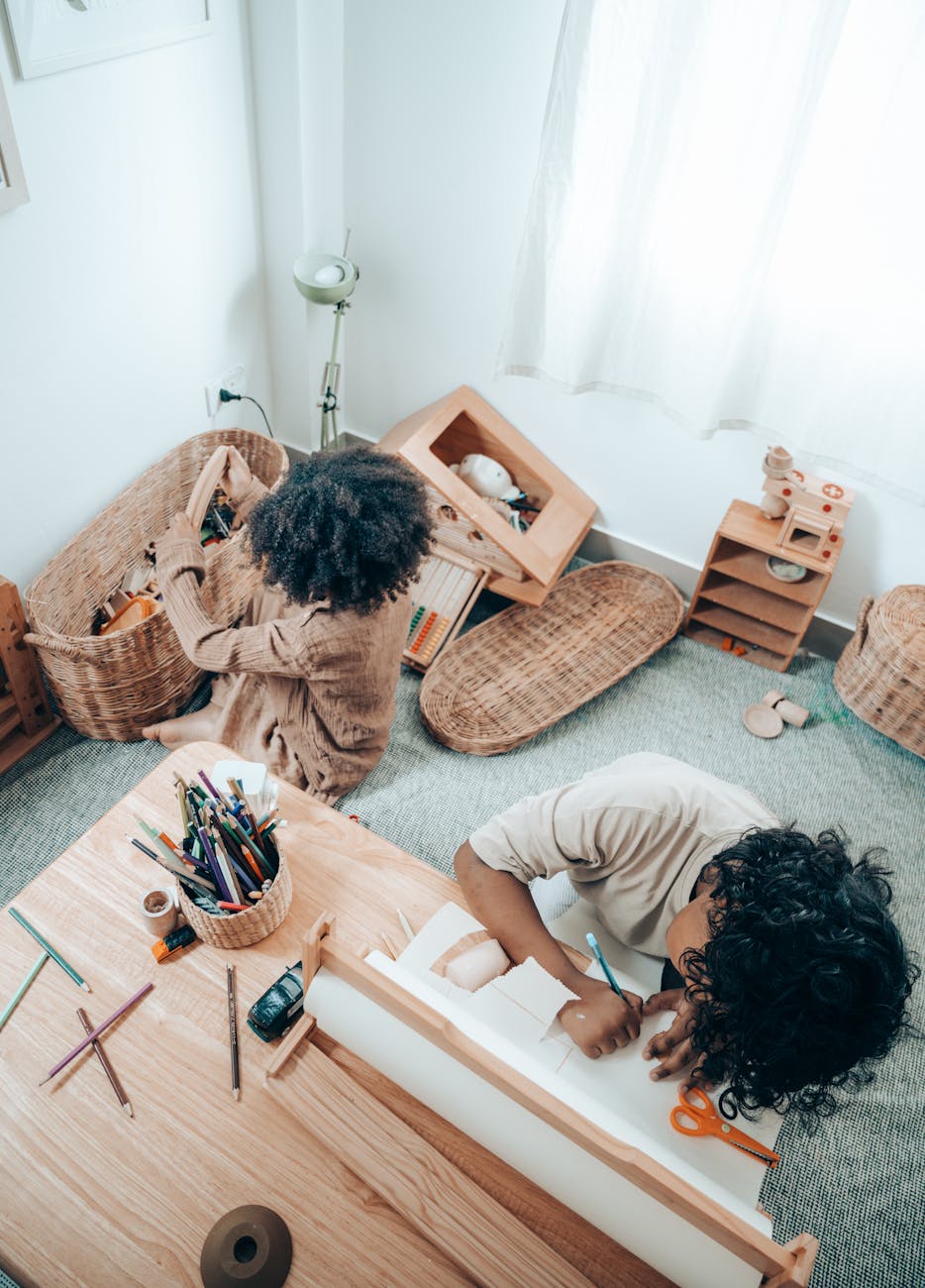
Cultivating a space where curiosity thrives, imaginations soar, and hearts are touched by the wonders of God’s creation is an incredible process to be part of. As mums we have the opportunity to provide that for our children yet at the same time, it can feel overwhelming when we think of our tidy homes being transformed into a playground for little hands, minds and feet. Creating a fun learning environment is totally doable in any environment, and with a few systems and strategies in place, we can transform pockets of areas, and most importantly our atmosphere to bring life to all the souls that dwell in it.
I lean toward minimalism, but I have still found a few ways to make room for play and imagination in my home. In today’s post I am sharing some ideas that we have incorporated into our space to make learning fun for our 3 boys.
Please note that this post contains affiliate links. The purpose of this post is to recommend items that we use or would use. If you make a purchase through these links, I may earn a small commission at no extra cost to you. Your support helps keep this blog running.
- Use colourful, relatable and engaging decorations: Decorating a wall or part of it with beautiful thought provoking artwork helps to spark the imagination. Incorporating bright colours within the learning space such as posters, artwork, and educational materials related to the subjects your children are studying is useful for igniting further interest in that area. So take your time to search for beautiful imagery, because it’ll not only be visually beautiful and inspiring to look at, but it’ll naturally lead to a conversation about the creativity, wisdom and unmatched power of God.
- Incorporate Games and Interactive Activities: Integrate educational games, puzzles, board games, and interactive learning activities that make learning feel like play. These can also include scavenger hunts, role-playing games, and simulations. Teaching on and learning about subjects such as Maths, English, History and Science can be brought to life by incorporating hands on activities. This just cements the information and children are more likely to remember facts and information when it is presented in a vivid way. The boys love learning in a very hands on way, and with my kinesthetic learner, group activities, and hands on activities work really well.
- Create a Cozy Reading Nook: Design a comfortable and inviting reading area with bean bags, pillows, rugs, and shelves stocked with a variety of books, including fiction, non-fiction, and picture books. This could be in the children’s bedrooms, or in the living area next to the sofa. Reading nooks serve as a personal sanctuary (no matter how small or simple it is) and encourages regular quiet reading time which is great for everyone! It helps to break reading and learning out of a box and reinforces the truth that learning can and does happen everywhere!
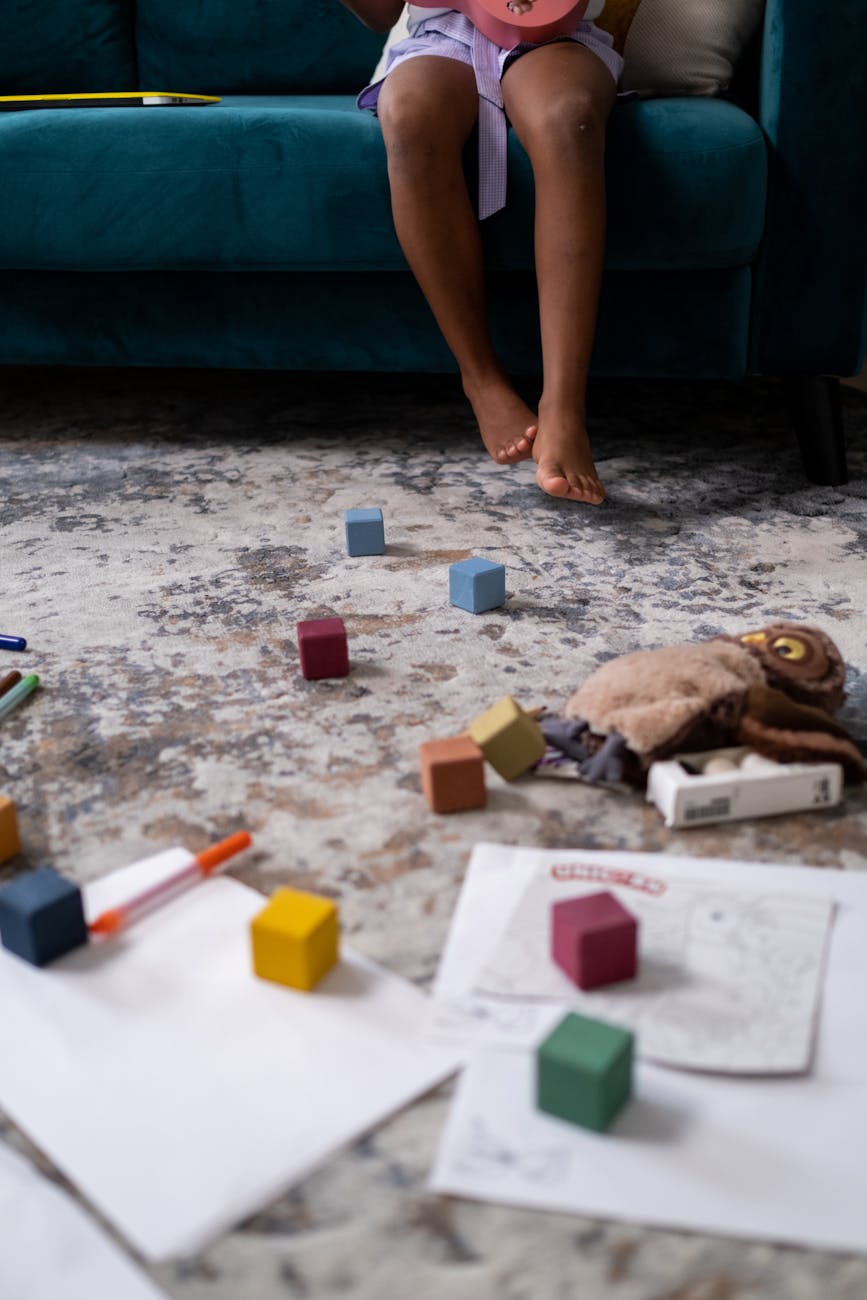
- Utilise Hands-on Learning Materials: Providing manipulatives, such as blocks, LEGO, puzzles, and art supplies, that children can use to explore concepts in a tactile and hands-on manner is great for creating a fun learning environment. They are so useful for engaging the mind during down time or “gap moments” before something else is scheduled to take place. I have found that my boys are always engaged for a while as it really suits their learning style.
- Integrate Technology in a Purposeful Way: Incorporating educational apps, interactive whiteboards, educational videos, and digital resources can enhance learning experiences and allow children to explore topics in innovative ways. The boys love watching Science Max at Large, Dude Perfect, Superbook, Dr Bionics and Science Planet.
- Outdoor Learning Spaces: Taking advantage of outdoor spaces for learning activities whenever possible is a must if you want to create a fun learning environment for children. They love to run, jump, dive, create and so much more. If you don’t have a garden or balcony space, the park or fields, trails are absolutely great for getting everyone outdoors for fresh air and fun. You can also conduct science experiments, go on nature walks, get involved in gardening projects, or art sessions in the backyard or local parks. The boys attend forest school once a week and really enjoy swinging, jumping, building dens, playing in mud and working on craft activities.
- Incorporate Music and Movement: Music, songs, and movement activities are so important for children as they make learning complex information really fun and easy to remember (think of times tables, poems, languages science information). A quick search online can yield so many results and helps to to enhance learning and energise the atmosphere. Create playlists with educational songs or encourage children to create their own music related to the topics they’re studying!
- Celebrate Achievements and Milestones: Recognising and celebrating our children’s achievements, progress, and efforts with praise, rewards, certificates, or special activities can make their learning experience fun. Positive recognition boosts motivation and fosters a sense of accomplishment. We use stickers, and an achievement “trophy” that they boys can earn when they go above and beyond to do a particular work without prompt.
- Encourage Collaboration and Teamwork: Providing opportunities for the children to work together on projects, to solve problems collaboratively, and to share their ideas and knowledge with one another is important when trying to build a fun community based environment. We have regular “sports days” in our garden which is so much fun. It gets very competitive which adds to my fun haha.
- Rotate Learning Centers: Set up different learning stations or centers with activities related to various subjects or skills. Rotate these centers periodically to keep the environment fresh and exciting. We all need change once in a while to freshen our minds and give us new inspiration. Children are no different. When we change up the space every now and again it invites new energy into activities, and I have found that engagement and focus is also improved.
I hope these tips and ideas have been helpful by incorporating these elements into your learning environment, you can create a space where children feel excited, motivated, and eager to explore and learn! Are there any other things that you do to make learning fun for your children?

 gracedforhome.com