Homeschooling my children is making me feel depressed and like a failure. what should i do?

When Homeschooling Feels Heavy

If homeschooling has you feeling depressed or like you’re failing, please know you’re not the only one. So many parents quietly carry those feelings, even while pouring their hearts into teaching at home.

I almost had a crash recently just because of pure exhaustion and dealing with changing behaviour from one of my boys.

Homeschooling is beautiful, but it can also feel like an endless weight. We are the teacher, the parent, the organiser, the encourager — sometimes it feels like too many hats on one head. And when the day doesn’t go as planned, it’s easy to believe the lie that you’re not enough.

But here’s the truth: you are not failing. The very fact that you care this much already means you’re showing up in the most important way.

If your heart feels heavy and you are flat out exhausted, here are a few gentle reminders from my heart to yours:

  • Keep it simple– Learning doesn’t have to look like a perfectly structured school day. Reading stories together, cooking a meal, going on a walk, or even long conversations all count as rich learning. Our children are always absorbing.
  • Let go of comparison– It’s so tempting to measure ourselves against polished blogs, Instagram accounts, or even traditional schools. But homeschooling isn’t about recreating the classroom. It’s about creating a space where our children can thrive in our family’s way.
  • Find your people– Homeschooling can feel isolating. Most days, it’s just us and our children in all things. So whether it’s a local co-op, a Facebook group, or a few trusted friends, connecting with others who “get it” can lift so much weight off our shoulders. Sometimes just hearing “me too” makes things lighter.
  • Take care of you, too- It’s easy to burn out when all your energy goes into teaching. Make time — even small moments — for things that recharge you. We can’t pour from an empty cup. A quiet walk, a favourite tea, a few minutes of journaling, a warm shower, and chat to a trusted friend— can help us feel more like ourselves.
  • Ask for support when you need it– If your feelings of sadness or failure don’t lift, reaching out to a counselor or doctor can make a world of difference. Getting help is not weakness; it’s strength.

Low-effort homeschooling hacks

I’ve thought of a few “low-effort homeschooling hacks” — ways to give our children meaningful learning while taking pressure off ourselves when things feel heavy.

1. Audiobooks = built-in teacher.
Pop on an audiobook during meals, car rides, or quiet time. Our children absorb so much just by listening — vocabulary, storytelling, history, even accents. (Bonus: you get a little break.)

2. Documentaries & educational shows count.
Sometimes we feel guilty about screen time, but there’s no rule that says learning can’t happen through TV. Nature documentaries, history series, cooking shows, even YouTube channels can spark amazing conversations, learning and curiosity.

3. Turn everyday life into lessons.
Cooking = maths (fractions, measurements), science (how heat changes things), and life skills. Grocery shopping = budgeting and planning. Nature walks = biology. We are always teaching way more than we realise.

4. Lean on online resources.
Free platforms like Khan Academy, Crash Course Kids, or even local library apps can take the teaching role for a while. We don’t have to reinvent the wheel.

5. Interest-led “unit studies.”
Instead of following a rigid schedule, pick something your child is already curious about (dinosaurs, space, baking, bugs) and weave lessons around it. Read a book, watch a video, do a craft — done! Children learn best when they’re interested.

6. Outsource where you can.
Co-ops, community classes, or even a trusted family member teaching a skill can give you breathing room. You don’t have to be the expert in every subject.

7. Embrace “slow days.”
Not every day has to be full of worksheets and structured lessons. Sometimes a day of reading, drawing, building Legos, or just talking counts just as much as the busy days.

On the really heavy and exhausting days, I remind myself that the secret to homeschooling is that it doesn’t have to look like school at home. The most powerful thing our children gain is the time, attention, and love that I am giving them.

Love, Alethea

How to build a home schedule that works

If you’re anything like me, juggling the homeschooling of three energetic boys and in general young children can sometimes be so overwhelming. Between the teaching, snack breaks, constant tidying up of little people and cooking, it can feel like the day is running us instead of the other way around. But fear not! I’m here to share some tips on how to build a home schedule that actually works—at least most of the time.

Be flexible

First things first, let’s talk about flexibility. As much as I love the idea of a perfectly structured day, with every minute accounted for, I’ve learned that life with kids, especially boys, just doesn’t work that way. There’s always going to be something that throws a wrench into our plans, whether it’s spilled food, an unexpected discovery of a “treasure” in the garden, or a tired and unmotivated gloom of the day. So, while it’s important to have a schedule, it’s equally important to hold it loosely. I like to think of our schedule now as more of a guideline than a strict timetable.

Create blocks of time

One thing that has been a game-changer for us is creating blocks of time instead of specific time slots. For example, we have a morning block for our core subjects like devotion, maths, reading, penmanship etc, an afternoon block for creative activities, and an evening block for family time. This way, if we spend a little extra time on a science experiment (or cleaning up from said experiment), it doesn’t throw the whole day off. It gives us the flexibility to dive deeper into subjects that capture the boys’ interest without feeling rushed.

Another tip is to incorporate plenty of breaks. Boys, in particular, seem to have an endless supply of energy, and expecting them to sit still for hours on end is a recipe for disaster (I’ve tried and learnt my lesson)! We do short bursts of focused learning followed by movement breaks. This may mean a quick game of hide and seek, a workout break, a few minutes on the trampoline, or even a spontaneous dance party in the living room with a Youtube video. These breaks help them burn off energy and come back to their work refreshed and ready to concentrate. I’ll always communicate to them and let them know what’s coming next in the day. This helps to prevent tantrums and resistance when it’s time to move on to the next activity.

Time for ourselves

It’s also crucial to build in some time for ourselves – even though most of the time it feels absolutely impossible! This season simply doesn’t permit me to have my free time as I would like all the time so I am learning that it is possible to infuse things that I enjoy throughout my day. Considering this as self care really helps me to know that I am not counting myself out of the family schedule and planning.

Whether it’s a quiet cup of tea before the boys wake up, a quick workout, some time spent in prayer and reflection, spraying a little perfume, a 5 minute make up routine, or putting on smart clothes for the day, taking care of ourselves even in the littlest way helps us to take better care of our families Remember, you can’t pour from an empty cup. So, carve out those moments of rest and rejuvenation whenever you can.

Use tools to stay on track

Using tools to stay on track can be incredibly helpful in maintaining a sense of order in the home. I have found that keeping a family calendar on the fridge helps everyone stay informed about daily plans and responsibilities. Additionally, a simple to-do list or planner can bring structure to the day and prevent tasks from feeling overwhelming. Personally, I enjoy using a prayer journal alongside my schedule—it not only keeps me organized but also allows me to reflect on God’s presence in my day-to-day life. Whether it’s a digital app or a traditional planner, having a system in place makes a big difference in staying consistent and finding peace amidst the busy routine.

Reassess and adjust regularly

Reassessing and adjusting regularly is crucial to maintaining a healthy and sustainable home schedule. It’s one of the things that I really struggled with initially, but the reality is that life is constantly changing—children grow, schedules shift, and unexpected circumstances arise. Taking time each month or even each week to evaluate what’s working and what’s causing stress can make a big difference. I like to pray over my schedule, asking God for wisdom to discern what needs to be adjusted. If a routine is feeling burdensome, it might be time to simplify or delegate tasks. Being flexible allows for grace in our daily lives, ensuring that our schedule serves us rather than us becoming slaves to it. Adjustments are not signs of failure but of growth and intentionality in creating a home filled with peace and joy.

So there you are! A few tips which I hope you’ll find helpful and encouraging. Building a home schedule that works is all about finding what fits your family’s rhythm and being willing to adjust as needed. With a little planning, a lot of flexibility, and a healthy dose of humor, you can create a routine that keeps everyone learning, laughing, and loving the homeschooling and home life. Keep up the great work, mama! You’ve got this.

When doubt creeps in: Encouragement for the homeschooling mum who feels she might have made the wrong choice

I don’t know about you, but there are some days when I look around at the chaos of our homeschool and wonder, What in the world is going on? The boys are arguing, fighting and screaming over toys, I am getting resistance with sit down book work and reading, and my youngest is determined to turn all the walls of my house into his museum of drawings. Meanwhile, I’m nursing a cold cup of coffee, a very messy kitchen (even though it was cleaned the night before), and sleepiness from waking up at 4:45am just to get a head start on the day before everyone wakes up. With fatigue, strain, frustration and overwhelm at an all time high, its easy to question whether we made the right decision to homeschool.

Some days, these are my thoughts, so first of all, I want to assure you that if you have felt any of this, you are not alone. There is no homeschooling mum on this planet (or probably even in the universe, if alien homeschooling mums exist) who hasn’t wondered at least once if she made a monumental mistake. It’s normal. We’ve all had those moments of doubt—when the curriculum doesn’t click, when the kids resist every lesson, or when we constantly feel that we are not enough. But let me remind you of something that God has been whispering to my heart lately: His grace is sufficient. Even on the hard days. Especially on the hard days. Here’s a beautiful hymn for you to tuck away in your heart.

I get it, though. It’s easy to romanticise homeschooling before we start. We picture morning devotionals with well-behaved children, afternoons spent exploring nature, and evenings reading classic literature in a cosy setting. Reality looks a little more like Weetabix smeared on every surface, (AND THEN DRYING IN A BLINK OF AN EYE!!), disruptive food requests every. five. minutes, and a “read-aloud” where you’re the only one actually listening to the story. And yet, even in the mess, there are so many beautiful moments waiting to be noticed.

A few tips and encouragement

When doubt comes knocking, I’ve found it helps to revisit why my husband and I chose this path in the first place. For me, it’s about nurturing my boys’ hearts as much as their minds. It’s about weaving our faith into their education and having the freedom to teach them in a way that honours their unique gifts and strengths. Yes, even when those gifts include making fart noises during lessons. (Lord, give me strength with these boys.)

Sometimes we just need to change our perspective. If a lesson is flopping or the kids are bouncing off the walls, maybe it’s time to pause the plan for the day. Go outside for a walk (which is my absolute go to), build a blanket fort, or get in the kitchen and bake and call it “life skills.” It all still counts. I have learnt that homeschooling isn’t about sticking rigidly to a schedule; it’s about creating a life where learning happens naturally and joyfully—well, most of the time for the children, and for us as mums.

Another thing that helps is connecting with other homeschooling mums. Join a co-op, find a support group, or just call that one friend who always “gets it.” There’s something so comforting about hearing someone else say, “Oh, me too!” We were made for community, and sharing our struggles often lightens the load.

Grace is available

Don’t forget to extend yourself some grace. God didn’t call us to this journey because He thought we would do it perfectly. He called us and wants us to depend upon Him every step of the way. Your children don’t need a perfect teacher; they need you. They need your love, your laughter, and yes, even your occasional meltdowns. (I firmly believe that seeing us apologise, pray for strength, handle difficult moments and regroup is an important life lesson for them.)

So, on the days when you’re tempted to throw in the towel, remember this: You are planting seeds, even when you can’t see the harvest yet. The hard days are part of the story, but they’re not the whole story. And who knows? Maybe one day, your children will look back on these years and thank you for the gift of learning together. They’ll remember a specific day (that you thought was pretty awful) and say that was one of the best moments of their lives. Or at least in my case they’ll remember how to bake really good cakes. Either way, you’re doing just fine, Mama. Keep going. ❤️

How to create a fun learning environment for kids

Cultivating a space where curiosity thrives, imaginations soar, and hearts are touched by the wonders of God’s creation is an incredible process to be part of. As mums we have the opportunity to provide that for our children yet at the same time, it can feel overwhelming when we think of our tidy homes being transformed into a playground for little hands, minds and feet. Creating a fun learning environment is totally doable in any environment, and with a few systems and strategies in place, we can transform pockets of areas, and most importantly our atmosphere to bring life to all the souls that dwell in it.

I lean toward minimalism, but I have still found a few ways to make room for play and imagination in my home. In today’s post I am sharing some ideas that we have incorporated into our space to make learning fun for our 3 boys.


Please note that this post contains affiliate links. The purpose of this post is to recommend items that we use or would use. If you make a purchase through these links, I may earn a small commission at no extra cost to you. Your support helps keep this blog running.

  1. Use colourful, relatable and engaging decorations: Decorating a wall or part of it with beautiful thought provoking artwork helps to spark the imagination. Incorporating bright colours within the learning space such as posters, artwork, and educational materials related to the subjects your children are studying is useful for igniting further interest in that area. So take your time to search for beautiful imagery, because it’ll not only be visually beautiful and inspiring to look at, but it’ll naturally lead to a conversation about the creativity, wisdom and unmatched power of God.
  2. Incorporate Games and Interactive Activities: Integrate educational games, puzzles, board games, and interactive learning activities that make learning feel like play. These can also include scavenger hunts, role-playing games, and simulations. Teaching on and learning about subjects such as Maths, English, History and Science can be brought to life by incorporating hands on activities. This just cements the information and children are more likely to remember facts and information when it is presented in a vivid way. The boys love learning in a very hands on way, and with my kinesthetic learner, group activities, and hands on activities work really well.
  3. Create a Cozy Reading Nook: Design a comfortable and inviting reading area with bean bags, pillows, rugs, and shelves stocked with a variety of books, including fiction, non-fiction, and picture books. This could be in the children’s bedrooms, or in the living area next to the sofa. Reading nooks serve as a personal sanctuary (no matter how small or simple it is) and encourages regular quiet reading time which is great for everyone! It helps to break reading and learning out of a box and reinforces the truth that learning can and does happen everywhere!
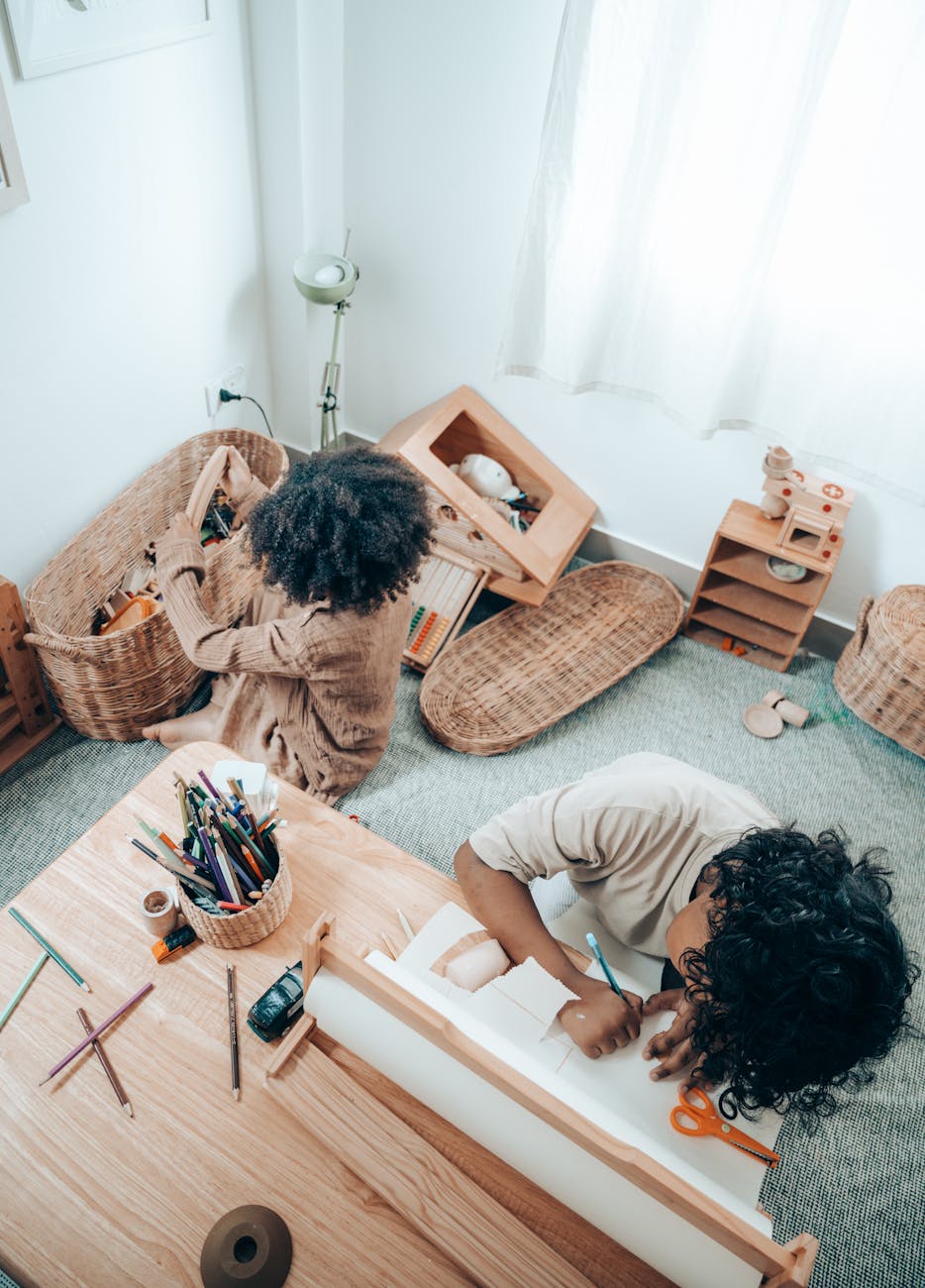
  4. Utilise Hands-on Learning Materials: Providing manipulatives, such as blocks, LEGO, puzzles, and art supplies, that children can use to explore concepts in a tactile and hands-on manner is great for creating a fun learning environment. They are so useful for engaging the mind during down time or “gap moments” before something else is scheduled to take place. I have found that my boys are always engaged for a while as it really suits their learning style.
  5. Integrate Technology in a Purposeful Way: Incorporating educational apps, interactive whiteboards, educational videos, and digital resources can enhance learning experiences and allow children to explore topics in innovative ways. The boys love watching Science Max at Large, Dude Perfect, Superbook, Dr Bionics and Science Planet.
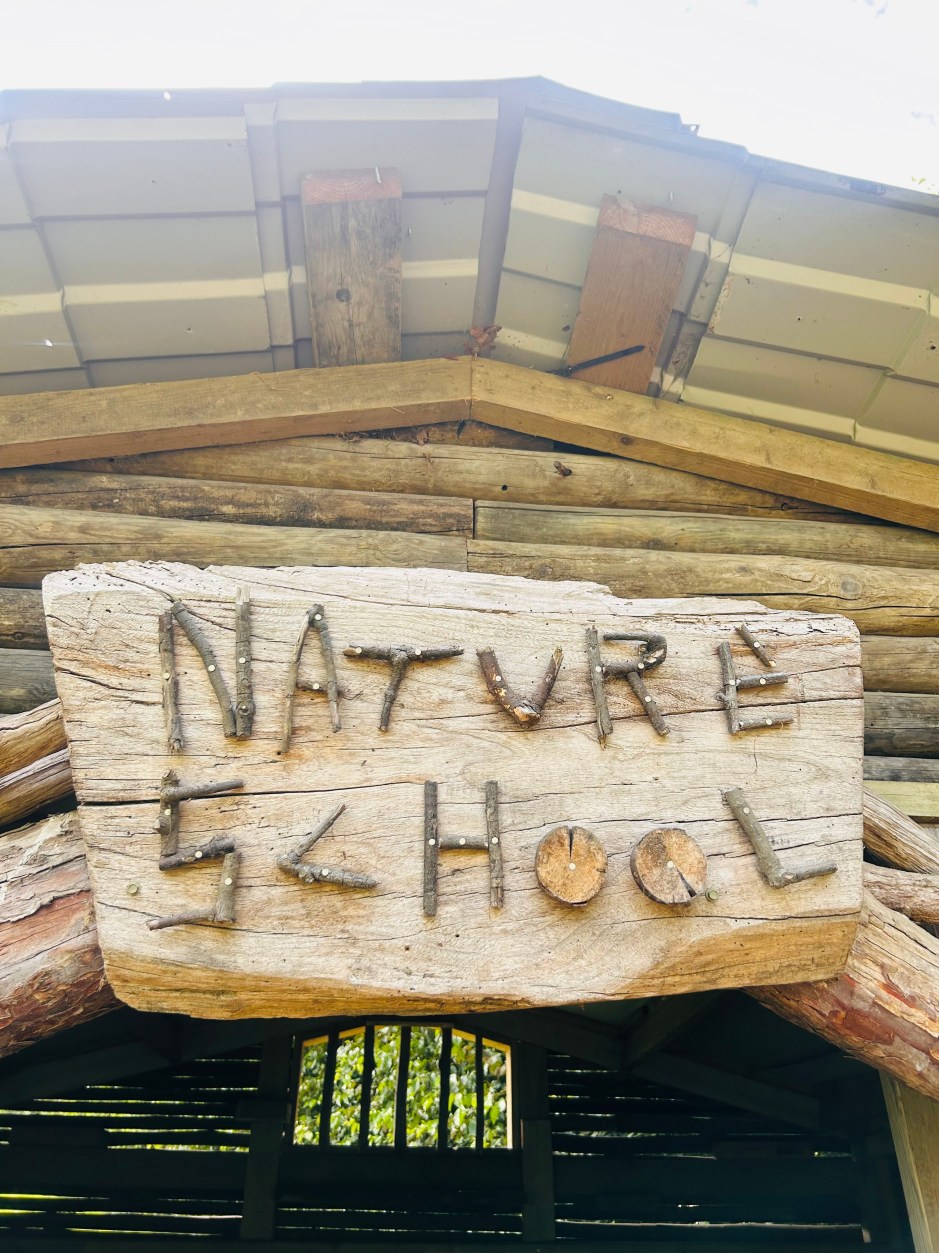
  6. Outdoor Learning Spaces: Taking advantage of outdoor spaces for learning activities whenever possible is a must if you want to create a fun learning environment for children. They love to run, jump, dive, create and so much more. If you don’t have a garden or balcony space, the park or fields, trails are absolutely great for getting everyone outdoors for fresh air and fun. You can also conduct science experiments, go on nature walks, get involved in gardening projects, or art sessions in the backyard or local parks. The boys attend forest school once a week and really enjoy swinging, jumping, building dens, playing in mud and working on craft activities.
  7. Incorporate Music and Movement: Music, songs, and movement activities are so important for children as they make learning complex information really fun and easy to remember (think of times tables, poems, languages science information). A quick search online can yield so many results and helps to to enhance learning and energise the atmosphere. Create playlists with educational songs or encourage children to create their own music related to the topics they’re studying!
  8. Celebrate Achievements and Milestones: Recognising and celebrating our children’s achievements, progress, and efforts with praise, rewards, certificates, or special activities can make their learning experience fun. Positive recognition boosts motivation and fosters a sense of accomplishment. We use stickers, and an achievement “trophy” that they boys can earn when they go above and beyond to do a particular work without prompt.
  9. Encourage Collaboration and Teamwork: Providing opportunities for the children to work together on projects, to solve problems collaboratively, and to share their ideas and knowledge with one another is important when trying to build a fun community based environment. We have regular “sports days” in our garden which is so much fun. It gets very competitive which adds to my fun haha.
  10. Rotate Learning Centers: Set up different learning stations or centers with activities related to various subjects or skills. Rotate these centers periodically to keep the environment fresh and exciting. We all need change once in a while to freshen our minds and give us new inspiration. Children are no different. When we change up the space every now and again it invites new energy into activities, and I have found that engagement and focus is also improved.

I hope these tips and ideas have been helpful by incorporating these elements into your learning environment, you can create a space where children feel excited, motivated, and eager to explore and learn! Are there any other things that you do to make learning fun for your children?