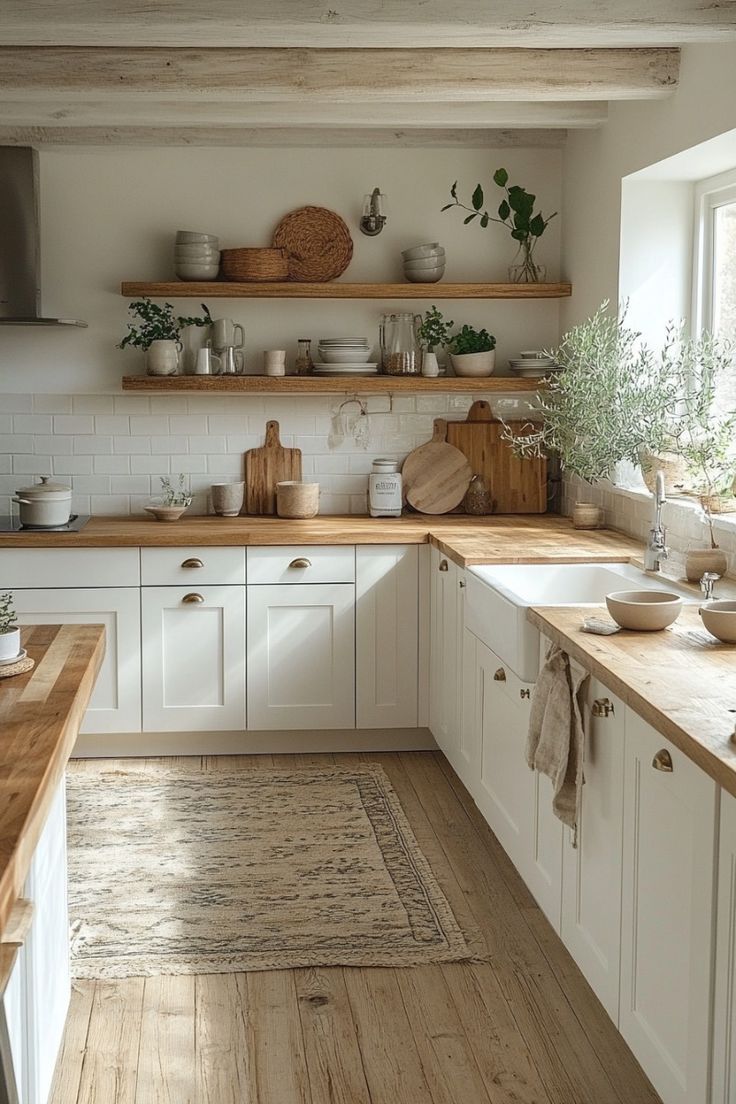
The invisible (yet powerful) economy of homemaking

There’s a quiet economy at work within the walls of a home—one that doesn’t show up on pay slips, spreadsheets, or CV’s. It’s an economy of presence, peace, and provision – one that has taken a long while to settle in my own heart. Coming into marriage and home life from the path of corporate career experience and ambitions , this new path forged by my husband and I was one riddled with insecurity and uncertainty on my part. Accepting that there is also so much worth here, and also means to steward, be creative with and multiply our income breathed new life into my understanding and vision of the home economy.

Homemaking may not always earn an income, but it builds something far richer: stability, trust and belonging. The fruit of it isn’t always immediate, but it is lasting—and far-reaching and in today’s post I want to share a little bit about that.

What is a home economy?

A home economy refers to the way resources—both tangible and intangible—are managed within a household. Traditionally, it’s about how a home operates in terms of stewardship, budgeting, production, and care, all within the unique rhythms and values of a family. It’s not just about money; it’s about the whole ecosystem of a home and how it’s sustained.

A few key elements of a home economy

1. Resource management

This includes managing time, money, energy, food, space, and even emotions of all those that live in your home. Budgeting, meal planning, scheduling, and caregiving are all forms of resource stewardship that keep the household running smoothly.

2. Homemaking as production

While we often think of “production” as something that happens outside the home because it can be measured and scaled, a homemaker also produces meals, routines, clean spaces, emotional support, traditions, and a sense of safety. These things are intangible, and they form the culture and stability of a home.

3. Values-based priorities

Every home has its own “economic system” based on what it values most—peace, hospitality, learning, sports, health, faith, or rest etc. The home economy reflects those values in how time and energy are spent. It’s a slow, often invisible investment in people and purpose.

4. Relational economy

At the heart of the home economy is relationship. Time spent nurturing children, building a marriage, or hosting others isn’t transactional—it’s transformational. It builds emotional wealth and spiritual inheritance that can’t be bought.

So yes, I don’t currently earn a paycheck anymore in the way that I have grown up to know it because in this season, my work is to build up my home economy so that as a family unit we work really well.

There are no deposits with my name on them. No promotions, no raises, no quarterly reviews. No line in our family’s budget that’s “mine,” and for a long time, that quietly haunted me.

While I pour out my days in love and labour — in lunch bags, washing and wiping — a small voice sometimes whispers: “But you’re not contributing. You’re just dependent.”

I used to have my own income. My own purchases. My own ability to say, I’ve got this.

Now, as a full-time homemaker, I offer different gifts: patience, consistency, planning and organising. peacekeeping, cooking, teaching. praying for and with my family, giving big deep hugs, love and smiles to my family. These are not things you can quantify — or add to a bank account.

And that’s exactly what makes this role hard to value in a world that ties worth to a salary.

Sometimes I second-guess even small purchases. I hesitate before I press “buy,” not because I don’t trust my husband’s love, but because something in me wonders if I’ve earned the right to spend. Even in a marriage built on grace, that weight can linger.

And yet, here’s what I’m learning:

I may not bring home a paycheck — but I bring everything else.

I bring a steady presence.
I bring a safe home.
I bring meals, prayers, structure, softness, and sacrifice.

And most importantly, I bring my whole self.

That’s not financial dependence. That’s soul investment.


A Kingdom Perspective

The world sees one income and a woman who has “given it all up”, but God sees a household held together by mutual trust and quiet faithfulness. In James 1:17, we’re reminded:
“Every good and perfect gift is from above, coming down from the Father of lights.”

The income we live on is His. The work I do here — unseen, unpaid — is also His. There is no hierarchy in the Kingdom economy. There is only obedience. And while I may not get paid in pounds, I remind myself often that I’m being paid in something far deeper: Moments. Memories. Heart-shaping. Soul-growing. A front-row seat to childhood, and my life.

So if you’re feeling the ache of not earning…

If you’re wondering if you’re doing “enough” because you’re not bringing in money… Remember: your value is not attached to a paycheck. You are not a burden — you are a builder. You are not dependent — you are entrusted.

God is not asking you to bring income.
He’s asking you to bring faithfulness, trust and your heart each day.

And friend, that’s exactly what you’re doing.

How to find value being at home

I remember the day I had THAT conversation with my boss, and handed in my resignation. I had a reliable job, a predictable rhythm, a reason to dress up, show up, and get things done. There was clarity in that world — performance reviews, deadlines, emails, rewards, outcomes. Yet I knew God was calling me out of it. Not because the work wasn’t good, but because from the moment I gave birth to my first son, I could sense Him whispering something deeper in my heart: Come home.

So with questions, fears, uncertainty and courage I said OK.

In many ways, it was beautiful. Slower mornings. More time with my babies. The chance to build something sacred behind the scenes.

But it wasn’t all soft lighting and a peaceful, pristine looking home.

What I didn’t expect was the quiet ache — the questioning of my worth, the mental weight of the mundane and of caring for all the people in my home, the way my world seemed to shrink even as my responsibilities multiplied. I left one kind of work and entered another — one that was far less recognised, but no less demanding.

I struggled to understand how valuable I could be, and yet, again and again, the Lord kept on reminding me: This work matters.

If you’re reading this as a mother who’s come home full time — or is thinking about it — and you’re struggling to feel the value in what you now do day after day, I want to gently offer this space and my thoughts. Not a formula or a fix, but a re-framing. A way to see our role not through the lens of the world, but through the eyes of a God who honours faithfulness in the hidden places.

This is for the mothers, the homemakers, the soul-weary women wondering if they’re doing enough.

I’ll be sharing some honest thoughts about why it feels hard to find value at home, and talk about how to find value here — not just in spite of the hiddenness, but because of it.


Cultural expectations & feminism’s influence

For much of modern history, staying home with your children was the norm. But in recent decades, the cultural message has shifted: women are told that success means being independent, career-driven, self-actualised, and visible in the public sphere. While there’s a lot of beauty in the opportunities now available to us as women, it can also create confusion and guilt when we recognise that are hearts are naturally tethered to home and yet we feel as though by saying yes to home, we are “wasting our potential” or “playing small.”

Many waves of feminism brought important progress: voting rights, workplace protections, and educational opportunities. But along the way, the narrative subtly shifted to suggest that “real empowerment” looks like career success, financial independence, and freedom from traditional roles. In that framework, choosing to stay home — to embrace motherhood as your main vocation — can be seen as backwards, even disempowering. It’s hard to feel proud of something the culture says we should have outgrown.

I am not sure if you’ve felt it, but I have felt the unspoken expectation that women should be mothers and entrepreneurs, and influencers, and side-hustling creatives. Being “just a mum” or “just at home” feels too quiet — too hidden — to count. But that’s a cultural lie, not God’s truth. Faithful homemaking might not be flashy, but it’s foundational. It builds souls. And the people right in our homes, matter just as much and even more than public applause.

Yet because society puts such weight on measurable outcomes, many of us who choose to be stay at home mums feel the need to justify our time: starting a small business, monetising a hobby, or curating a perfect online presence — just to prove that we’re still contributing. But this pressure can steal the peace and purpose of the home-centered calling, turning rest into hustle.

In Titus 2 and Proverbs 31, we see that home-making, child-raising, and nurturing a household are deeply valued by God. Not because they limit a woman, but because they root her in Kingdom work. It’s not about traditionalism — it’s about truth. God created women with the capacity to conceive, carry, nurture, cultivate, and lead in ways that often flourish in the context of home. That calling is not second-class. It’s sacred.

Do not conform to the pattern of this world, but be transformed by the renewing of your mind. Then you will be able to test and approve what God’s will is—his good, pleasing and perfect will. Romans 12:2


Lack of Recognition & Value

What I didn’t fully understand when coming home, was that homemaking and motherhood involve countless tasks—cooking, cleaning, childcare, emotional support—but these contributions often go unnoticed. Unlike a job with promotions and recognition, being a homemaker doesn’t come with tangible rewards or external validation, making us easily feel as though our work is invisible and undervalued, if we do not find encouragement and conviction within.

As human beings, we long to know that what we do matters. That our labour isn’t just effort, but impact. When society consistently overlooks or minimises homemaking — treating it as “less than,” unpaid, or unambitious — it chips away at the sense of purpose that comes from it. It becomes hard to keep showing up with heart when the world acts like you’ve opted out of something more “valuable.” Especially when we are also dealing with the chaotic and unpredictable nature of raising young children.

Modern society tends to praise what earns money, what’s seen, and what scales, and in turn we do too. But homemaking is slow. It’s deeply relational, cyclical, and intimate. You don’t “finish” homemaking — you return to the same dishes, the same floors, the same emotional needs every day. Pouring, filing, loving, and caring. Without broader cultural affirmation, it’s easy to internalise the lie that this work isn’t “real” work.

More times than I care to admit, I have wondered Am I doing enough? Am I wasting my potential? Would I be more respected if I were doing something else? It’s especially on the days when fatigue is at an all time high, I am over touched, stimulated and extremely short on patience. I realise that taking the time to build a home requires maximum effort and strategy.

In Colossians 3:23, Paul writes: “Whatever you do, work heartily, as for the Lord and not for men.” That includes laundry, nappy changes, making dinner, planning the week ahead. The unseen and the unglamorous. When we lose sight of the fact that homemaking is holy work — offered not just to our families, but to God — we start to believe the world’s narrative instead of God’s.


But here’s the truth:

Homemaking is not small. It’s kingdom work.
It’s soul-tending, heart-shaping, and legacy-building.
It’s building a haven in a chaotic world.
It’s servanthood, often without applause — but always seen by the One who matters most.

And when you feel the sting of being undervalued, remember: even Jesus washed feet. Not for applause, but for love.


Loss of Identity & Independence

Many women struggle with losing a sense of self when they dedicate their lives to their families. Before children, I had a career, hobby, and a clear idea of my creative pursuits. The shift to full-time homemaking felt isolating, especially with a lack of support and a big reduction in my time and energy to pursue creative outlets that would allow me to maintain my personal growth.

Likewise, homemaking can blur your sense of self. Before motherhood or homemaking, my identity was certainly tied to things like a career, personal interests, achievements, and even my name — not just “Mum” or “Babe” or “Where’s my sock?” Suddenly I found that my life had become centered around meeting everyone else’s needs, it can be easy to forget who you are apart from your roles.

Being a homemaker often means surrendering personal time, adult interaction, and even financial independence. You can’t clock out. The truth is that you can’t always make choices for yourself without considering how they affect everyone else. Even simple things — like going to the shop alone — become luxuries. That loss of freedom, if not acknowledged and supported well, can lead to quiet resentment or a sense that your life has been absorbed into everyone else’s.

Society doesn’t celebrate self-giving — it celebrates self-fulfillment and we live in a culture that preaches: Be your own boss. Chase your dreams. Put yourself first. But homemaking often calls you to do the opposite: to put others before yourself, to lay down parts of your life (even temporarily) for the sake of another. That’s radically countercultural — and when the outside world keeps shouting that you’ve “lost yourself,” it can be hard not to wonder if it’s true.

Without margin — emotional, spiritual, or creative — it’s also easy to feel like you’re just surviving, not becoming and thriving. And when you don’t see yourself growing, it can feel like you’re stuck, like who you were is slowly fading without something new rising in its place.


But here’s the truth:

Jesus said, “Whoever loses his life for my sake will find it” (Matthew 10:39). This isn’t about erasing ourselves, but about allowing God to reshape our identity in deeper, eternal ways. While the world tells us to find ourselves by doing more, the Gospel tells a different story: we find our truest self in the laying down, in the unseen faithfulness, in the love that gives.

You have not lost yourself.
You are being formed — in the hidden places, in the daily choices, in the humility of service.
You are becoming more whole, not less — even if it feels like a breaking.
Your identity is not erased by motherhood or homemaking; it is being refined, like gold in the fire.

Your value is not in what you produce or how free you feel — but in who you are, and Whose you are.


Monotony & Mental Load

Homemaking is a loop, not a finish line. You clean the kitchen… only for it to be messy a few minutes later. You fold the laundry… only for more to appear within hours. There’s no final product. No final “ta-da!” moment. It’s a well worn and well lived connected life and the constant repetition can make our work feel invisible — and even pointless at times — even though it’s deeply meaningful.

Also, the mental load of homemaking is relentless. We are the keeper of appointments, groceries, events, clothing sizes, emotional climates, relational tension, snack preferences, and who last took a bath. The planning is a full-time job in itself — and unlike a paid role, there’s no handoff at 5 p.m., no weekend shift rotation. You carry it all, often silently.

I’ve found that it’s also hard to feel creative or alive when I am running on empty. The monotony of routines — breakfast, dishes, naps, dinner, repeat — can numb the soul if there’s no space for rest, worship, or beauty. Without outlets to create, explore, or be poured into, it’s easy to feel like you’re just surviving, not living. That lack of stimulation or personal growth can make the role feel more like duty than delight.


The Truth Beneath the Tiredness

The world may not reward the daily acts of care, but the Kingdom does. In Matthew 6, Jesus reminds us that the Father who sees in secret will reward you. Folding laundry with love, wiping counters with grace, answering the same question a hundred times with patience — these are hidden offerings and in God’s economy, hidden doesn’t mean insignificant.

You are not failing because you’re tired of the monotony.
You are not less holy because you feel overwhelmed.
You are a human carrying sacred work that was never meant to be glamorous — only faithful.

You are building rhythms of safety, love, and consistency for your family. That kind of work is the foundation of flourishing — and though it feels like monotony, it’s actually soul-shaping repetition.

And yes, the mental load is real. But so is the God who offers rest to the weary, and wisdom to those who ask.


Financial Dependence

This is also a tough area for me, because we live in a world that says, “If you’re not contributing financially, you’re not contributing.” It’s subtle, but it’s everywhere — in media, conversations, even internal narratives. When you’re not bringing home an income, it can start to feel like you’re not pulling your weight, even though you are carrying the emotional, physical, and spiritual load of an entire household. When you’re not earning income, spending money — even on small things — can start to feel loaded with guilt or hesitation.

You may second-guess your needs, delay purchases, or feel like you have to justify everything. I have had to become more disciplined in this area which is a good thing, and share honest worries with my husband so that I remember that we are one team.

If you once earned your own income, managed your own schedule, and made financial decisions independently, the shift to relying on someone else — even your loving spouse — can feel like a loss of self. It definitely did for me! I’ve found myself grieving that freedom, even while being very grateful for my current role. Even in the most loving, grace-filled partnerships, money has power. When one person earns and the other doesn’t, there can be subtle dynamics of control, decision-making, or even self-censorship. You might feel like you have “less say” or like your contributions are less tangible — even though they are absolutely vital.


The Truth Beneath the Insecurity

Scripture reminds us in James 1:17 that “Every good and perfect gift is from above.” Your household may be operating on one income, but ultimately, it’s not your spouse who sustains you — it’s God. He is the provider, and He honours the unseen labour of the homemaker just as much as the work of the one earning the paycheck. The Proverbs 31 woman didn’t just bring home income — she brought wisdom, order, nourishment, and strength to her home. That’s kingdom wealth.

You may not sign a paycheck.
But you sign every permission slip, every grocery list, every appointment reminder.
You orchestrate peace, build schedules, soothe hearts, make dinners stretch, and turn houses into homes.

That’s not dependency.
That’s investment.
And it’s legacy work.


Comparison & Social Media Pressure

Social media shows the best 5% of other people’s lives — the spotless kitchens, perfectly dressed and coordinated children, mums who seem to juggle business, baking, Bible study, and beauty sleep without blinking. When I look at my life, it often doesn’t look anything like that. It feels as though I am living in my real 100%: the messes, the meltdowns, the mental fatigue, and this gap creates an ache — not because I am failing, but because I am human.

Homemaking doesn’t often look impressive online. Unless your home is photo-worthy, you have a lot of hired help, or you’re doing a trendy renovation, homemaking work is rarely celebrated on social media. Folding laundry, managing sibling fights, or planning meals on a tight budget aren’t “Instagrammable.” So the slow, sacred faithfulness of your daily work feels again invisible. Forgettable. Less than.

Maybe you see women your age launching businesses, writing books, or speaking at conferences while you’re just trying to get everyone to the breakfast table without tears and spilt milk. I tell you, those mornings can sometimes send me right over the edge and I start to wonder: Am I wasting my life? Should I be doing more? It’s easy to forget that your “more” might not be loud or public — but it is just as meaningful.


The Truth Beneath the Scroll

In Galatians 6:4, Paul says, “Each one should test their own actions. Then they can take pride in themselves alone, without comparing themselves to someone else.”
God didn’t call you to someone else’s life. He called you to this home, these children, this season. Not to impress the world, but to serve Him in secret — where true treasures are stored.

You don’t need to look like her.
You don’t need to do what she’s doing.
You are not behind. You are not less.

If you’re building a home of peace, if you’re shaping hearts with gentleness, if you’re staying faithful in small, unseen ways — you’re doing holy work.

Social media might not clap for you.
But heaven sees.
And heaven applauds.


Spiritual & Societal Misalignment

For Christian women, homemaking can be viewed as a calling, but modern culture often dismisses faith-based perspectives on motherhood and family life. I feel the tension between my biblical values and society’s messaging that a career is the only path to fulfillment. Society says: Be independent. Be ambitious. Be seen. The Gospel whispers: Be faithful. Be humble. Serve in secret.

These two voices aren’t always at war — but they rarely walk hand-in-hand. When you choose homemaking as your calling, you might feel like you’re swimming against the current of modern culture, where success is often measured by visibility, productivity, and external achievement.

Choosing to stay home, serve your family, and live quietly before the Lord is sometimes seen as regressive or even oppressive. The modern narrative says, You deserve more than dirty nappies and dishes. And that message can make even the most joyful homemaker second-guess herself. It’s hard to feel empowered when your life looks so radically different from the cultural script.

When your life is rooted in spiritual conviction, but the world doesn’t understand or value those convictions, it’s easy to feel isolated. Homemaking, done unto the Lord, is an act of worship. But worship isn’t always recognised. It doesn’t win awards or get likes. That can be disheartening — unless your eyes stay fixed on Jesus.

Sometimes, even Christian spaces elevate platformed ministry over quiet obedience. You might feel less “useful” because you’re not leading a study, writing a book, or starting a business — even though you’re building a home, sowing Scripture into your children, and laying down your life daily. It’s a lie that says only public faithfulness matters.


The Truth Beneath the Tension

You were never meant to fit perfectly here.
Your calling as a homemaker — shaped by the Spirit, anchored in Scripture — will look strange in a culture that chases self-glory.

But that doesn’t make it less sacred.

It makes it set apart.

You’re not behind. You’re not small.
You’re right where God has placed you — and that is holy ground.


Reframing our perspective

Homemaking will rarely get a standing ovation from the outside world.
There are no medals for folding the fiftieth load of laundry, no awards for whispering peace into a toddler’s tantrum, no public applause for creating a home where hearts can exhale.

But there is a quiet glory here.

A sacredness in the slow.
A strength in the unseen.
A worship woven into the wiping, the washing, the welcoming.

When we reframe our perspective, we begin to see homemaking not as a lesser path, but as a deeply formational one — shaping souls, stewarding peace, and partnering with God in the hidden rhythms of redemption.

We are not “just” at home.
We are curating spaces where people are known, nourished, and nurtured.
We are writing legacy in the ordinary.

And maybe the world will never quite understand.
But heaven does.

God sees every quiet sacrifice, every faithful choice, every moment when you lay down your life in love — and He calls it beautiful.

So let’s lift our eyes.
Let’s reframe the work.
Let’s remember that this, too, is Kingdom ground.

You are not less because you are at home.
You are planted here — with purpose.

And that, dear friend, is a holy calling.

Tips for a productive and haven like feel at home.

Hey mama!

I hope you’re well!

As we journey together through the beautiful and sometimes challenging adventure of learning and being at home together as a family, I find myself reflecting on how our physical environment profoundly impacts our ability to absorb knowledge, be inspired, feel free and grow. Just as God created a world of order and beauty for us to thrive in, we too can create a haven of peace, order, inspiration and productivity within our homes.

Today, I want to share some tips on doing just that- specifically, setting up a productive and clutter-free learning and living environment. I hope you’ll be able to add some of these ideas into your own home!

Embrace the sanctuary of learning

When it comes to being inspired to learn (for our children and for ourselves), first and foremost, it’s important to designate a specific area for this no matter how small your space is. This space should be a sanctuary, a place where your heart and mind can focus solely on the task at hand. Choose a spot in your home that is quiet and comfortable, away from the hustle and bustle of daily life. Just as Jesus often retreated to quiet places to pray and reflect, we too need a quiet place to concentrate and learn.

This intentional space becomes a sanctuary where distractions are minimised, allowing our minds to concentrate fully on the task at hand, whether it be absorbing knowledge, engaging in heartfelt prayer, or nurturing a child’s curiosity. A dedicated environment fosters discipline and consistency. For children, having a defined learning area signals the importance of focus and establishes a routine that supports their development. By setting apart these sacred spaces, we honour our commitment to learning and spiritual growth, creating a haven where we and our children can flourish well.

Keep it simple and organised

Keeping our homes simple and organised is a beautiful reflection of the order and peace God desires for our lives. I don’t know about you, but a well-organised home reduces stress for me and allows us all to focus on what truly matters – our relationships, our faith, and our personal growth. This is an area that I am particularly keen on for the children. By eliminating the clutter that they can see, I am trying very hard to create a serene environment where their minds and spirits are not overstimulated, but feel at rest and rejuvenated. This simplicity also helps us to be better stewards of the blessings we have been given, as everything has its place and purpose.

Minimise distractions and digital discipline

The world is full of distractions, and our homes if they are to be a place of tranquility can reflect the opposite which is calmness and peace.

Remember the words of Psalm 46:10, “Be still, and know that I am God.” In this stillness, we can hear His guidance in our hearts. To keep digital distractions at bay and cultivate a peaceful home, we really try to establish thoughtful boundaries and practices around the use of technology. We work hard to designate specific times and areas in our home that are free from electronic devices, such as meal times, family gatherings, and bedrooms. This not only reduces distractions but also fosters deeper connections and more meaningful interactions. We encourage a lot of activities like reading, playing games, or engaging in conversations.

With the boys tablets (which they use occasionally for learning), we use tools and apps that help manage screen time, such as setting limits on usage and scheduling downtime for all devices. Turn off non-essential notifications to prevent constant interruptions, and consider creating a central charging station where devices can be stored out of sight when not in use. Encourage family members to be mindful of their screen habits by setting a good example yourself and discussing the importance of being present and engaged in the moment.

Regular decluttering

Regular decluttering is essential for maintaining a peaceful and calm home, as it reflects the order and simplicity God desires for our lives. In our daily walk with Christ, we are called to cast off anything that hinders us and run the race with perseverance (Hebrews 12:1). In the same way, decluttering our physical space can help us to remove the unnecessary and focus on what truly matters. When we rid our homes of excess, we create an environment where our minds can rest and our spirits can breathe. This simplicity mirrors the peace that surpasses all understanding, which God grants us when we align our lives with His purpose.

Moreover, regular decluttering allows us to be better stewards of the blessings God has given us. When our homes are cluttered, we can feel overwhelmed and distracted, unable to fully appreciate the gifts around us. By organising and simplifying our spaces, we can cultivate gratitude for the things we truly need and love. This practice not only enhances our physical surroundings but also nurtures a heart of contentment and mindfulness. As we create a serene and orderly home, we open the door to more meaningful interactions with our loved ones and deepen our relationship with God, embracing the harmony He intends for our lives.

A Personal Touch

Finally, personalise your space with meaningful items – a plant, a family photo, or a piece of Scripture art. These touches make our spaces inviting and remind us of God’s presence and love. Ensure these items inspire rather than distract, maintaining the balance of beauty and simplicity. I have written a blog post on cultivating a Christ centered home.

Adding a personal touch to our homes helps maintain a peaceful and calm environment by infusing our living spaces with reminders of God’s love and the unique journey He has set before us. When we incorporate meaningful items such as family photos, scripture verses, or cherished mementos, we create a sanctuary that reflects our values and faith. These personal touches serve as daily reminders of the blessings and memories we hold dear, anchoring us in gratitude and joy.

A home adorned with personal touches becomes a haven where our spirits can rest and rejuvenate. Each piece of meaningful decor, whether it’s a handcrafted quilt, a favourite piece of art, or a vase of fresh flowers, contributes to a sense of belonging and comfort. These items tell the story of who we are and what we cherish, creating a warm and inviting atmosphere for ourselves and our loved ones. In this sacred space, we are reminded of God’s intimate involvement in our lives. By intentionally curating our surroundings with love and care, we cultivate a home that not only reflects our personal journey but also becomes a beacon of God’s grace and tranquility.

So mama, as you set up your learning and living environment, remember that God is with you in every step of your journey.

With love and blessings,

Alethea

Easy and simple vanilla cake that your family will love

Vanilla Cake Recipe | How To Make Vanilla Cake | Easy And Simple Vanilla Cake Recipe | Graced for Home


A beautiful and simple vanilla cake recipe that is a firm family favourite! Guaranteed a soft and moist cake 🙂

There’s something timeless and nostalgic about the smell of vanilla cake baking in the oven, with the aroma of nutmeg filling the air. In our family, it’s more than just a sweet treat—it’s a tradition, a quiet ritual that brings us together in the most comforting way.

Every few weeks, I’ll pull out my recipe book and bake. It’s simple: flour, sugar, eggs, vanilla, nutmeg and love. Since becoming a mother, I have really enjoyed being in the kitchen to cook and bake. Baking this cake isn’t about perfection. It’s about the anticipation as the sweet, familiar scent wafts through the house and pulls everyone in, little eyes waiting impatiently and expectantly for that first slice.

Sometimes, we bake it for birthdays, and I’ll decorate it, sometimes, just because it’s a rainy day and we need a little warmth. But no matter the reason, that cake always becomes a centerpiece of connection—something we gather around with tea or milk.

Baking, in its own quiet way, is a blessing. It slows us down. It invites us to care—for the food, for the process, and most importantly, for each other. In a world that moves fast, that simple vanilla cake reminds us of the beauty in slowing down and savouring the sweet things in life—together.

I hope you’ll enjoy baking yours!


Adding nutmeg is optional. We love it!

Ingredients:

  • 3 Eggs Sugar
  • 1cup Oil – ¾cup
  • Milk – ½cup
  • Nutmeg – 1tsp
  • All purpose flour 1½cup
  • Baking powder 2tsp
  • Vanilla essence – 1tsp

How to build a home schedule that works

If you’re anything like me, juggling the homeschooling of three energetic boys and in general young children can sometimes be so overwhelming. Between the teaching, snack breaks, constant tidying up of little people and cooking, it can feel like the day is running us instead of the other way around. But fear not! I’m here to share some tips on how to build a home schedule that actually works—at least most of the time.

Be flexible

First things first, let’s talk about flexibility. As much as I love the idea of a perfectly structured day, with every minute accounted for, I’ve learned that life with kids, especially boys, just doesn’t work that way. There’s always going to be something that throws a wrench into our plans, whether it’s spilled food, an unexpected discovery of a “treasure” in the garden, or a tired and unmotivated gloom of the day. So, while it’s important to have a schedule, it’s equally important to hold it loosely. I like to think of our schedule now as more of a guideline than a strict timetable.

Create blocks of time

One thing that has been a game-changer for us is creating blocks of time instead of specific time slots. For example, we have a morning block for our core subjects like devotion, maths, reading, penmanship etc, an afternoon block for creative activities, and an evening block for family time. This way, if we spend a little extra time on a science experiment (or cleaning up from said experiment), it doesn’t throw the whole day off. It gives us the flexibility to dive deeper into subjects that capture the boys’ interest without feeling rushed.

Another tip is to incorporate plenty of breaks. Boys, in particular, seem to have an endless supply of energy, and expecting them to sit still for hours on end is a recipe for disaster (I’ve tried and learnt my lesson)! We do short bursts of focused learning followed by movement breaks. This may mean a quick game of hide and seek, a workout break, a few minutes on the trampoline, or even a spontaneous dance party in the living room with a Youtube video. These breaks help them burn off energy and come back to their work refreshed and ready to concentrate. I’ll always communicate to them and let them know what’s coming next in the day. This helps to prevent tantrums and resistance when it’s time to move on to the next activity.

Time for ourselves

It’s also crucial to build in some time for ourselves – even though most of the time it feels absolutely impossible! This season simply doesn’t permit me to have my free time as I would like all the time so I am learning that it is possible to infuse things that I enjoy throughout my day. Considering this as self care really helps me to know that I am not counting myself out of the family schedule and planning.

Whether it’s a quiet cup of tea before the boys wake up, a quick workout, some time spent in prayer and reflection, spraying a little perfume, a 5 minute make up routine, or putting on smart clothes for the day, taking care of ourselves even in the littlest way helps us to take better care of our families Remember, you can’t pour from an empty cup. So, carve out those moments of rest and rejuvenation whenever you can.

Use tools to stay on track

Using tools to stay on track can be incredibly helpful in maintaining a sense of order in the home. I have found that keeping a family calendar on the fridge helps everyone stay informed about daily plans and responsibilities. Additionally, a simple to-do list or planner can bring structure to the day and prevent tasks from feeling overwhelming. Personally, I enjoy using a prayer journal alongside my schedule—it not only keeps me organized but also allows me to reflect on God’s presence in my day-to-day life. Whether it’s a digital app or a traditional planner, having a system in place makes a big difference in staying consistent and finding peace amidst the busy routine.

Reassess and adjust regularly

Reassessing and adjusting regularly is crucial to maintaining a healthy and sustainable home schedule. It’s one of the things that I really struggled with initially, but the reality is that life is constantly changing—children grow, schedules shift, and unexpected circumstances arise. Taking time each month or even each week to evaluate what’s working and what’s causing stress can make a big difference. I like to pray over my schedule, asking God for wisdom to discern what needs to be adjusted. If a routine is feeling burdensome, it might be time to simplify or delegate tasks. Being flexible allows for grace in our daily lives, ensuring that our schedule serves us rather than us becoming slaves to it. Adjustments are not signs of failure but of growth and intentionality in creating a home filled with peace and joy.

So there you are! A few tips which I hope you’ll find helpful and encouraging. Building a home schedule that works is all about finding what fits your family’s rhythm and being willing to adjust as needed. With a little planning, a lot of flexibility, and a healthy dose of humor, you can create a routine that keeps everyone learning, laughing, and loving the homeschooling and home life. Keep up the great work, mama! You’ve got this.

Dealing with monotony and routine as a stay at home mum

Being a stay-at-home mum is a beautiful calling, but it often comes with the challenge of monotony. The endless cycle of laundry, cooking, cleaning, and always being switched on to care for our children can sometimes feel repetitive and even overwhelming. It’s easy to lose sight of the bigger picture when daily tasks seem to blur into one another. However, as Christian mothers, we are reminded that even in the most mundane moments, God is at work in our lives and in the lives of our families. If we truly look, we’ll find Him.

One of the most encouraging truths in Scripture is found in Colossians 3:23: “Whatever you do, work at it with all your heart, as working for the Lord, not for human masters.” This verse reminds us that our work at home is not insignificant. Every nappy changed, every meal prepared, and every book read is an opportunity to serve God and our families with love and dedication. When we shift our perspective to see our daily tasks as acts of worship and privilege, we can find deeper meaning in what might otherwise seem mundane.

Gratitude helps

One way to combat the monotony of routine is to cultivate a heart of gratitude. Philippians 4:6 encourages us to bring everything to God with thanksgiving. Taking a moment each day to thank Him for the little blessings—our children’s laughter, the comfort of our home, the provision of food, hot water, clothes—can really transform our outlook. Gratitude refocuses our hearts on the goodness of God rather than the repetitiveness of our routines, and it helps us to see abundance rather than lack.

Spiritual renewal

As mothers, we pour so much into our families, but we must also allow ourselves to be filled. I’ll hold my hand up and be the first to admit that sometimes sheer exhaustion makes me demotivated to pour into myself spiritually, but spending some time in prayer, reading scripture, or even listening to worship music while doing household chores does nourish our souls and keep us connected to God. When we prioritise our relationship with Him, we are better equipped to handle the demands of daily life with patience, wisdom and joy.

Building and nurturing friendships

Finding community is another key aspect of overcoming monotony. Proverbs 27:17 says, “As iron sharpens iron, so one person sharpens another.” Whether through church groups, Bible studies, or simply connecting with other mothers, having a support system helps us navigate the challenges of motherhood. Sharing experiences, praying together, and encouraging one another can breathe new life into our routines. I’ve personally found that taking some time to speak with and laugh with friends helps me to reconnect with a different part of myself, which in turn helps me to feel refreshed.

Monotony and simple living can also be a gift to us. In a world that constantly seeks distraction and busyness, the slower rhythms of homemaking allow us to cultivate a heart of peace and contentment. When we embrace the simplicity of our daily lives, we are able to focus on what truly matters—our relationship with God and the love we share with our families. God often speaks to us in the quiet moments, in the steady rhythms of daily life, reminding us that He is present in every small act of love and service.

Creative Christmas prep ideas for mums

Hey mama, it’s that time of year again!

The air is getting cooler and crisper, the days shorter, darker, and our online feeds slowly filling up with all the Christmas inspiration. Yes, the festive period is upon us! Preparing our homes and hearts for the Christmas season can be such a meaningful and joyful time and in this post I’ll be sharing a few creative and unique ways to make this festive period extra special for you and your family, as I try to do the same for mine!

I hope you’ll find some inspiration that you can personalise!

1. Create a “gratitude and prayer garland”

This year, we are getting hands on with our decorating, and having fun expressing thankfulness by making prayer garlands. Transform a simple decoration into a daily practice of gratitude and prayer by cutting out paper strips in festive colors and encourage each family member to write down something that they are thankful for or a prayer intention every day. Then, link the strips together to form a garland. Each link represents a moment of gratitude or a heartfelt prayer. By Christmas, you’ll have a beautiful, meaningful decoration that wraps your home in love and thankfulness. Hang it somewhere where everyone can see, and maybe even make a tradition of reading them all aloud on Christmas Eve.

2. Host a nativity play at home

We love a good role play in our house, and my boys get excited at any chance to build houses, forts, and play pretend. At this time of year, you could turn your living room into a stage for a homemade Nativity play! Get your children involved in making simple costumes and props. Let them choose their roles—perhaps one of your children wants to be a shepherd, another an angel, and another might want to narrate the story. Rehearse together and perform it for family and friends. This activity not only brings the Christmas story to life for everyone but also creates a cherished family tradition. Plus, it’s a wonderful way to remind everyone of the true meaning of Christmas in a fun and engaging way.

3. Set Up a “Christmas kindness countdown”

I love that the festive season encourages us to not only enjoy with our families, but to think of ways that we can serve others. In our home, we have been focusing on service, and ways to make someone feel loved. The boys are more excited about the toys that they will receive for Christmas so this activity is perfect. Instead of the usual Advent calendar, you can create a “Christmas Kindness Countdown” where each day involves a small act of kindness. You then write down different activities on slips of paper and place them in numbered envelopes or boxes. Activities can include things like making a card for a neighbour, donating gently used toys to charity, baking cookies for locals and church members, or even calling a relative to spread some cheer. This helps instill a spirit of giving, and compassion in our children and shows them that Christmas is about spreading love and joy to others.

4. Start a Christmas book tradition

If you love books, and your children do this could be the perfect time to build a collection of Christmas-themed books that you only bring out during the festive season. Each evening, you could gather around the tree or in a cosy space to read a different story. You can include classics along with stories that highlight the nativity. This tradition fosters a love of reading, creates cozy family moments, and helps children connect with the stories and values of Christmas. Over the years, these books will become cherished parts of your family’s holiday heritage. We are book lovers so this will be perfect for us to introduce!

Some of the books that we’ll be reading:

A very noisy Christmas

The nativity

5. Create a “journey to Bethlehem” display

Dedicate a space in your home to a “Journey to Bethlehem” display that evolves throughout Advent. I saw this stunning nativity display in Home Sense last year and I am still kicking myself for not getting it. It was so beautiful and I wanted to use it as part of our festive decorations to help point the kids hearts to our wonderful Saviour. So you could start with a bare stable and gradually add figures of Mary, Joseph, and the shepherds moving closer to the stable each day. Incorporate readings from the Bible and reflections on each character’s journey and faith. This daily routine helps reinforce the nativity story deep into our hearts and makes the anticipation of Christmas more meaningful as our children witness the progression of the journey to the birth of Jesus.

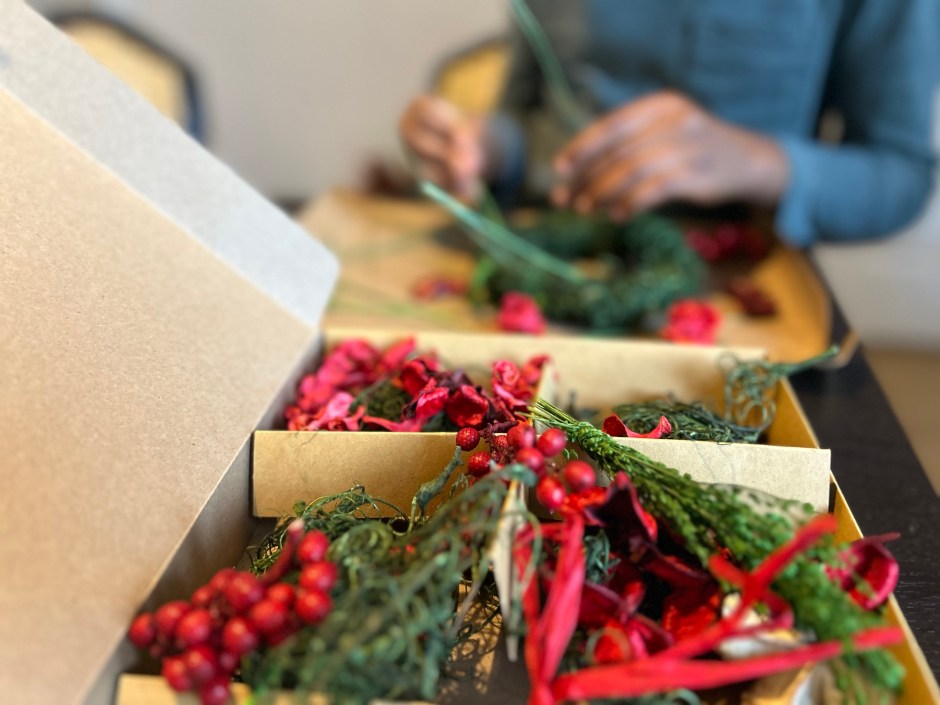
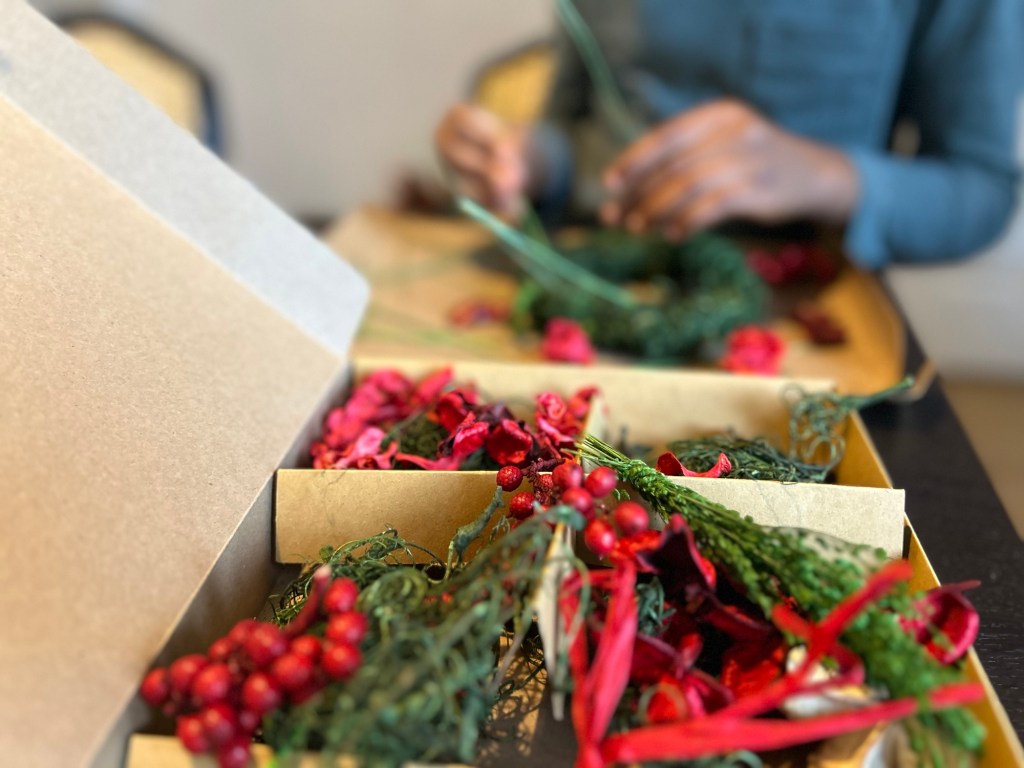
6. Host a Christmas craft night

Children love crafts, and it is such a great and easy way to spend time having fun together. Set aside one evening a week for a family Christmas craft night. Gather materials to make ornaments, wreaths, and other decorations. Listen to Christmas music, sip on hot chocolate, grab some snacks and let the creativity flow! These homemade crafts can be used to decorate your home or given as heartfelt gifts to friends and family. This tradition not only beautifies your home but also provides a wonderful opportunity for family bonding and creates lasting memories.

7. Set up a giving jar

Place a large jar in a central location in your home and label it the “Giving Jar.” Throughout the holiday season, encourage family members to contribute spare change or small bills. At the end of the season, decide together which charity or family in need you’ll donate the collected money to. This simple act teaches children about generosity and the importance of helping others, in line with the Kindness Countdown.

8. Plan a “Silent Night” evening

I saw this idea and loved it! We’ll definitely be looking to add this to our Christmas tradition. Choose one evening to turn off all electronic devices and enjoy a “Silent Night” together. Light candles, play soft Christmas music, and spend the evening in quiet activities like reading Christmas stories, doing puzzles, or simply talking. This can be a peaceful retreat from the hustle and bustle of the season which is filled with socialising and shopping, and provides a chance to reconnect and unwind with loved ones. Equally, joining a carols night

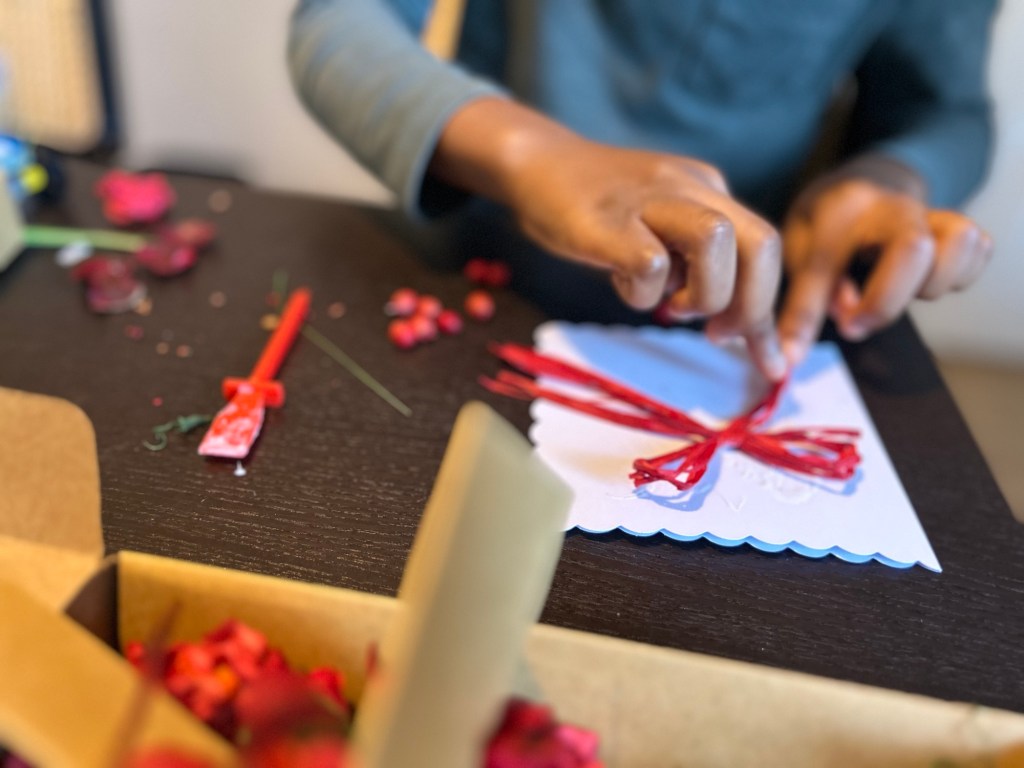
9. Create Personalised Christmas cards

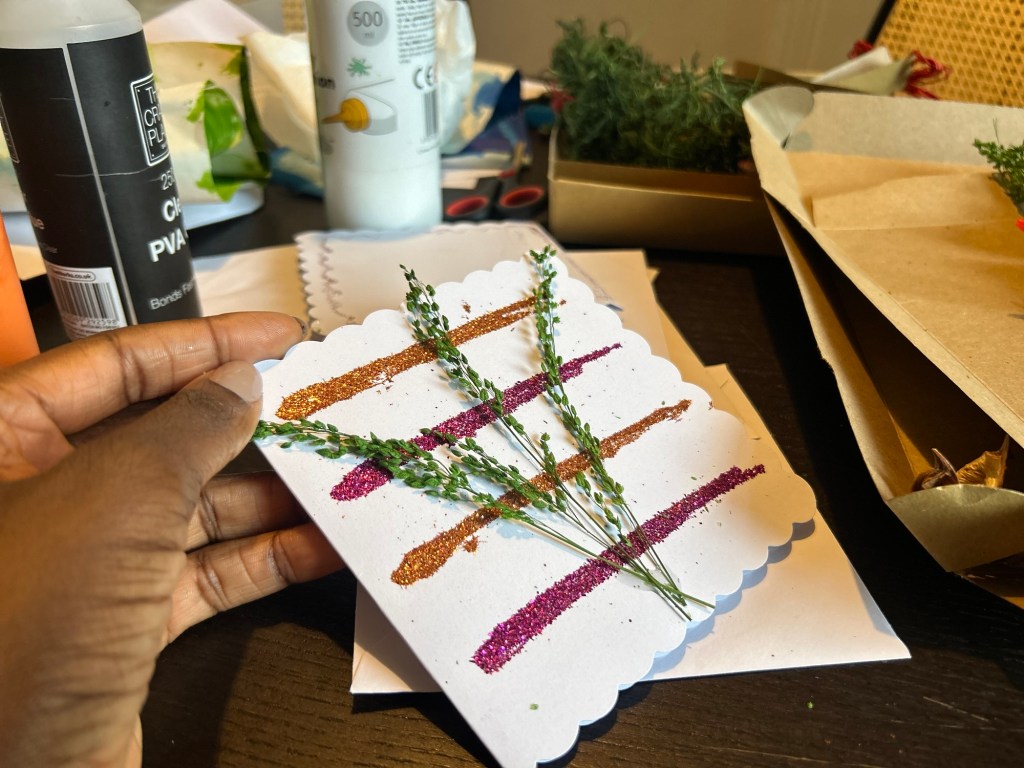
Instead of buying pre-made cards, gather your family to create personalised Christmas cards for friends and relatives. Use craft supplies like stamps, stickers, and glitter to make each card unique. Include a heartfelt message or a family update inside. This activity allows for creativity and thoughtfulness, and recipients will surely appreciate the time and effort put into each card.

Another meaningful practice is to focus on the importance of presence over perfection. It’s easy to become overwhelmed by the desire to create the perfect Christmas experience for your family. But remember, the most cherished memories often come from simple moments spent together. For example, instead of stressing over a perfectly decorated home, involve your children in the decorating process. Embrace the imperfections and enjoy the laughter and creativity that come with it. Or, set aside time for a family evening of board games or baking cookies, without worrying about the mess. By prioritising presence, we can give our hearts the chance to breathe, and just enjoy the gift and blessings that we have.

I hope these ideas inspire you!

Are there any that you would do? or share what you currently do with your family at Christmas time, I’d love to know.

Supermums are a myth (but faithful mums are real)

My husband watched on as I juggled the demands from our 3 boys while preparing dinner, and planning family activities on a calendar. “Wow, you are a superwoman, how do you do it?” I didn’t respond because to be honest I didn’t know what to say in that moment. He often uses this phrase for me and I am quick to remind him that I am not superwoman. I am very much a woman who needs help and support because I don’t want to create an illusion that I have it all together!

We’ve all heard the saying “she’s a supermum” to describe a mother who seemingly excels in all areas of her life, often juggling multiple roles and responsibilities with exceptional efficiency and effectiveness. This can include managing a household, raising children, working a full-time job, maintaining a social life, staying physically fit, and being involved in community or school activities.

She does it all and this incredible “supermum” is often portrayed as handling these diverse and demanding tasks effortlessly and without showing signs of stress or fatigue. Some of us envy this type of mum, others work so hard to embody her, and the rest wonder how they’ll ever live up to this ideal of a woman. Whichever camp you sit in, I am here to tell you that you can take a deep long breath! Super mums aren’t miraculously created, but faithfulness to our homes is what the true goal is and where the prize lies.

I wanted to title this post originally as Faithful Mums: The true heroes beyond the supermum myth as it also truthfully echoes the reality of what we live out each day. As a Christian mother, striving for the title of “supermum” can often leave us feeling exhausted and inadequate, chasing after an impossible ideal. Striving in our own effort to fulfill a divine calling in our own strength only sets us up to feel discouraged and overwhelmed when we realise just how much the role of mother entails. We are human. We fall short, we have challenges and set backs, and we are imperfect- But God.

In God’s eyes, our faithfulness to our families holds far greater value, than us over exerting ourselves to meet shifting societal markers. Faithfulness means showing up each and every day with a hearts posture to be committed to what God has called us to- in the good and the bad. It means showing up with love, grace, and consistency, embracing the unique calling God has given us within our homes. It’s in the daily acts of care, the moments of prayer, and the intentional nurturing of our children’s hearts where “super” moments are found.

God doesn’t call us to be perfect and to have it all together. He calls us to be present and focused. When we prioritise faithfulness over perfection, we model His unwavering love and faithfulness to our children. Some days may flow really well, and other days may be very challenging. Through it all, if we determine in our hearts to not give up on what God has given us, and to count it all as a blessing, we’ll be able to connect our hearts with the right action.

This is the true essence of motherhood, far surpassing any worldly notion of being a “supermum.” In fact, if we are seeking to build lasting and deep relationships with our children, they need a Christ-dependent mum more than a supermum who wants to flow and present life perfectly well all the time.

How can we be faithful?

Some aspects of mothering are simply mundane and normal. There are laundry piles to fold, schedules to manage, food to pick up from the floor dishes to wash and floors to sweep. If we approach these tasks with our whole hearts, they too embody faithfulness to the calling of motherhood.

  • Waking up each day and determining within our hearts to be faithful is the first step to accomplishing this goal. Starting each day by seeking God’s guidance and strength, asking Him to fill us with His peace and wisdom helps to position our minds in the right place. Prayer anchors us in His presence and aligns our hearts with His purposes. Make it a habit to pray with and for your family, inviting God into every aspect of your daily life. Through prayer, we find the resilience to face challenges and the grace to extend love even in difficult moments.
  • Secondly, embracing the beauty of small, consistent acts of love is so so key. Faithfulness is often found in the ordinary moments – a kind word, a listening ear, a gentle touch, a hug. Celebrating these seemingly mundane acts as significant contributions to our family’s well-being is so important to making love feel tangible. It’s not the grand gestures but the daily demonstrations of love and care that build a strong, loving home. Remember, it’s in the little things that our faithfulness shines the brightest.
  • Thirdly, cultivating a heart of gratitude goes a long way. Regularly take time to count your blessings and express gratitude for your family helps to shift our focus from what we lack to the abundance we have in Christ. It fosters a positive atmosphere in our homes and helps us to see our family members through God’s eyes. By modeling thankfulness, we teach our children to appreciate the goodness of God in their lives, encouraging contentment and joy.
  • Lastly, weaving in rest and self-care into our routines is key to preventing burnout and helps us to remain feeling refreshed in our roles . As mothers, we often pour ourselves out for our families, but it’s essential to recognise our own need for rest and renewal. Jesus Himself took time to withdraw, rest and pray, setting an example for us. Find moments to recharge, whether through reading Scripture, enjoying a hobby, or simply taking a walk in nature. When we care for ourselves, we are better equipped and ready to to care for our families with faithful patience.

By grounding ourselves in gratitude, we can remain faithful to our families in a way that honours God and nurtures those we love. Let us cast aside the pressures of being “supermums” and instead, find joy and fulfillment in being faithful mothers, steadfastly reflecting Christ’s love and perseverance in our homes.

Alethea


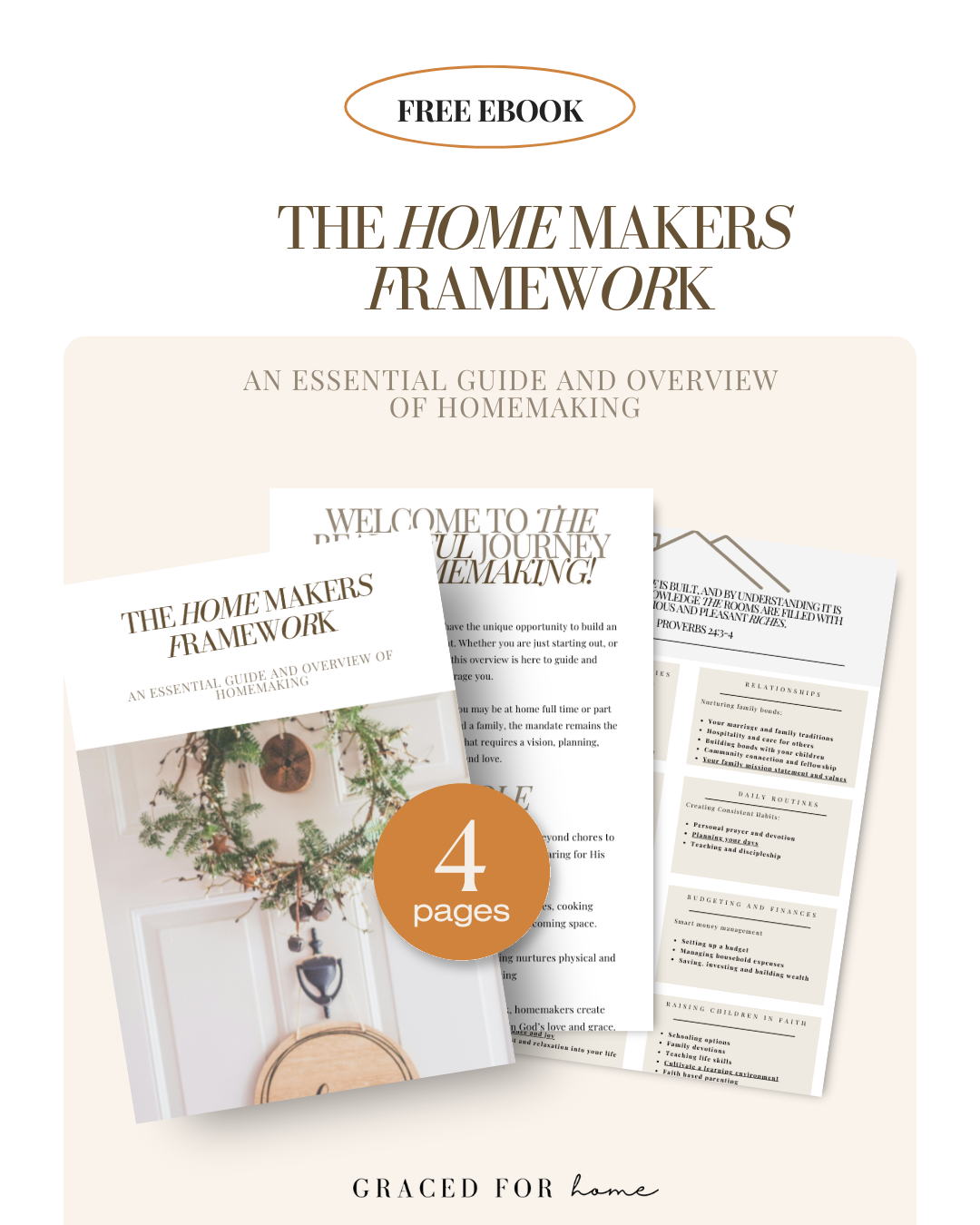
Discover the joy and fulfillment of creating a loving, organised, and faith-filled home! Download my free eBook, “The Homemakers Framework,” for practical tips, encouragement, and inspiration tailored for mothers and homemakers. Start your journey towards mastering home management and nurturing your family’s well-being today. Get your free copy now and transform your home into a sanctuary of love and grace!

Why is motherhood so hard?

Motherhood is a journey filled with unparalleled joy, deep deep love, moments of sheer wonder, and an equal measure of complete unpredictability and overwhelm. The word itself evokes a flood of emotions that fills our hearts in the most beautiful way. But I’ve got to be real: motherhood also brings tremendous exhaustion, doubt, and sometimes a deep sense of inadequacy.

Can I be even more honest? This has got to be one of the most challenging roles that I have ever undertaken. As a Christian mother, I often find myself asking God, “Why does this feel so hard and overwhelming?” “Why don’t I always look and feel as though I am at ease on this journey- and I am only 6 years in!”

In this post, I wanted to share some thoughts on the challenging moments in motherhood from an honest and authentic place, as well as from the perspective of the redemptive and transforming hope that we have in Christ.

The Weight of Responsibility in motherhood

As I reflect on this, I believe that one of the primary reasons motherhood feels so hard is due to the immense responsibility it carries. From the very moment I found out I was expecting my first child and boy, my brain naturally went into overdrive. An overwhelming sense of responsibility took hold of me because suddenly, here I was, entrusted with the life and well-being of a whole tiny human – made in God’s image. The weight of making the right decisions—whether it’s about health, education, or instilling values in our children can feel incredibly heavy on our hearts. I now have three boys and I am always thinking about ways to train and nurture good character in them. We go to bed with a lot on our minds, and wake up with our brains running at 100 miles per hour.

“Train up a child in the way he should go; even when he is old, he will not depart from it.” Proverbs 22:6

This verse both inspires and instructs us to be diligent in our parenting. One of my take aways from this verse is the power of habits in the area of training. No matter what it is- good or bad, we are training our children to believe, accept and understand life from a particular perspective. The seeds we sow now, will be implanted in their hearts and shape their future later on. Being faithful to trust that God will water these seeds in their hearts helps to ease the anxiety and overwhelm that comes with such a responsibility.

While we play a significant role in our children’s lives, ultimately, their journey is in God’s hands. He loves them even more than we do, and He has a plan for their lives. God is sovereign and He works all things for our good; even our parenting blunders!

Often, the weight of responsibility also falls upon us when it comes to home management. Balancing the task of maintaining a clean home while looking after children can feel like a never-ending battle. There are days when the laundry piles up, toys are scattered everywhere, and the dishes seem to multiply each time we walk through the kitchen. It’s easy to stress about keeping everything spotless, but I’ve learned to adjust my expectations and find a balance that works for my family.

To ease some of the stress in this area, we can focus on creating a home that is functional and comfortable rather than perfect. I’ve started involving my children in the cleaning and laundry process. It not only lightens my load but also teaches them responsibility. We turn chores into fun activities, like having a race to see who can pick up the most toys or playing music while we clean. It’s not always smooth sailing, but by embracing a bit of mess and finding joy in the process, I’ve discovered that a clean home and happy children can coexist, even if it means things aren’t always picture-perfect. This approach has brought more peace and laughter into our home, reminding me that the goal is not perfection, but a loving and nurturing environment, and a balance that helps me to carry my load well.

The Sacrifice of Self

Motherhood requires so much self-sacrifice. From the moment conception occurs, our body begins to change in remarkable ways. Hormonal shifts cause everything from morning sickness to mood swings. The body starts to make room for the growing baby, which often leads to discomfort and pain. As the baby grows, organs shift, the spine adjusts, and our bodies carry additional weight. Stretch marks, swelling, and changes in skin texture are all things that we have to deal with- not to mention the moment of birth and all that comes with it. It truly is an extraordinary journey.

There are sleepless nights, countless nappy changes, and a never-ending list of demands. There are some days when I feel like I’ve lost myself completely. My own dreams and desires often take a backseat to the needs of my children. On one particularly challenging day, I remember looking at my tired face in the mirror, the incoming grey hairs, postpartum hair loss and thinking “wow, I feel like I have lost so much”.

The things I once enjoyed—reading a good book, going for a jog, even just taking a quiet moment to myself—have became rare luxuries with very young children. The sacrifice is very real, and yet I am humbled as I think of this role as a mere shadow of the life of Christ and all He had to give up so we could have life in Him. His sacrifice and death meant life for us! What a great call when we walk down this path. We are called to lay down our lives for our children, but in doing so, we must also remember to find time to replenish our spirits and care for ourselves, seeking strength and renewal in our relationship with Christ.

The demands of motherhood can make it seem like there’s no room for anything else. But over time, I’ve learned the importance of self-care. Finding time for myself, even in small ways, helps me to recharge. Whether it’s spending a few minutes in prayer and reflection each morning or taking a walk in the evening, these moments help me to center myself and draw closer to God.

Creating a “thrive list” has been a game-changer for me in navigating the demands and sacrifice in motherhood. This list includes all the things that bring me joy and fulfillment such as reading a good book, taking a walk in nature, enjoying a hot cup of tea, or spending quiet time in prayer. By intentionally setting aside time to engage in this, I ensure that I don’t lose myself in the daily responsibilities of motherhood. It’s a reminder that nurturing my own well-being is essential, not only for me but also for my ability to be the best mother I can be to my boys. Making space for what I love helps me to thrive, maintaining a sense of balance and joy in the beautiful chaos of raising children.

You can download yours for FREE here and put it in a place where you’ll see it and be encouraged to pour into yourself.

The Battle Against Perfectionism

One of the areas that can make motherhood feel so hard in today’s world, is the pressure to be the “perfect” mother because of what we see online and on the television. Social media often bombards us with images of seemingly flawless families and this can make us question our own abilities and worth. It’s filled with images of spotless homes, gourmet meals, and perfectly behaved children as people share their highlight reels. It’s easy to fall into the trap of comparison and feel like we are not measuring up when we constantly feast on these images and videos. We worry about whether we are doing enough, whether our children are thriving, and whether we measure up to other mothers as we only think about all the things that we aren’t doing.

However, Romans 3:23 reminds us, “For all have sinned and fall short of the glory of God.” We are not called to be perfect; we are called to be faithful. Our imperfections and struggles are opportunities to lean on God’s grace and to teach our children about His unconditional love and forgiveness. By embracing our imperfections, we show our children that it is okay to make mistakes and that God’s grace is sufficient for all our shortcomings.

My home might be messy, my meals might not be gourmet, and my children definitely have their difficult moments as do I, but that’s okay. Responding to God’s redemptive offer time and time again helps us to keep our hearts focused on what truly matters, which is a home filled with love.

Finding Strength in Community

Motherhood can feel isolating, especially when we face challenges that we think no one else understands. However, we are not meant to walk this journey alone. Ecclesiastes 4:9-10 tells us, “Two are better than one, because they have a good return for their labor: If either of them falls down, one can help the other up.”

Finding a community of fellow mothers has been a lifeline for me. Whether through church groups, parenting classes, or online forums, sharing my experiences with others who understand has lightened my load. We laugh together, cry together, and lift each other up just in the moment we need it most.

I remember the first time I attended our first Homeschool co-op group. I was nervous and a bit reluctant to share my struggles. However, as I listened to other mothers speak about their own challenges and triumphs, I felt a sense of camaraderie. We were all in this together. Over time, these women have become a support system for me. Knowing that I’m not alone in my struggles has been incredibly comforting. That’s why this space Graced for Home is so precious. It is a space for us to join hands, be encouraged, share and be inspired to continue on our journey.

Embracing God’s Plan

Ultimately, the challenges of motherhood remind us to trust in God’s plan for our lives and the lives of our children. Jeremiah 29:11 offers us hope: “For I know the plans I have for you, declares the Lord, plans for welfare and not for evil, to give you a future and a hope.”

When motherhood feels hard, we can find solace in knowing that God is not just with our children, but with us too, guiding us through every difficulty and rejoicing with us in every triumph. By surrendering our worries and burdens to Him, we can find peace and assurance that we are not alone in this journey.

There are days when I question if I’m doing enough, if I’m making the right choices, if I’m a good mother. The chaos can be so overstimulating for me to the point of shut down. In those moments, I turn to God in prayer. I ask for His guidance, His wisdom, and His peace. I remind myself of His promises and His faithfulness. Trusting in God’s plan doesn’t mean that motherhood will be easy, but it does mean that we are not alone. He is with us, every step of the way, providing the strength and grace we need to help us raise our little ones.

5 ways to be productive at home


Finding Grace in the Chaos: Productivity Tips for the Christian Mother.

Being productive at home is essential for maintaining efficiency, organisation, and overall well-being. As Christian mothers, we are juggling numerous responsibilities: nurturing children, maintaining a household, perhaps working from home, and most importantly, fostering a spiritual environment for our families. In the midst of this whirlwind, finding ways to be productive at home can often feel like a daunting task. However, with a little organisation, a lot of trial and error and grace, it’s entirely possible to manage our time effectively and create a peaceful, thriving, productive home.

Whether you’re homeschooling, managing a home business, or simply trying to keep up with daily chores and tasks, these tips will guide you towards more organised and fulfilling days. Let’s transform our homes into spaces where faith, love, and productivity coexist harmoniously. Here are some quick fire tips to help us achieve this.

Streamline your routine

Simplify your daily tasks by creating a streamlined routine. Identify repetitive tasks and find ways to automate or batch them to save time and energy. Establishing a consistent schedule for chores, meal preparation, and other household responsibilities can help you stay organised and productive.

Declutter Regularly

Keep clutter at bay by decluttering your home on a regular basis. Take time to purge unused or unnecessary items. You can start small and pick a draw or corner of the house. Organising your belongings in a way that maximizes space and functionality doesn’t just provide a clutter-free environment, but it promotes a sense of calm and clarity, making it easier to focus and enjoy your living space.

Prioritise Multi-Functional Solutions:

Opt for multi-functional furniture, storage solutions, and appliances to maximise space and efficiency in your home. Look for versatile pieces that serve multiple purposes, such as a storage ottoman that doubles as extra seating, and a place for toys and games, or a fold-down desk that transforms into a dining table. Choosing multi-functional solutions allows you to make the most of your space without sacrificing functionality.

Create Zones for Efficiency:

Divide your home into zones based on functionality to optimise efficiency and organisation. Designate specific areas for activities such as work, relaxation, and play, ensuring that each zone is tailored to its intended purpose. Creating designated zones helps minimize distractions and promotes productivity by providing dedicated spaces for different activities. Sharing our living space with children doesn’t mean that our home can’t feel calm and organised. We can create fun zones for them, as well as more minimal areas that serve the purpose of relaxation, rest and productivity.

Embrace Minimalism

Embracing a minimalist mindset helps us to prioritise quality over quantity and to focus on what truly adds value to our lives. If it is your preference, curating a home environment that is clutter-free and conducive to peace and tranquility can help your mind feel much calmer. Embracing minimalism allows you to simplify your life, reduce stress, and cultivate a sense of contentment with less.

I hope you enjoyed this quick fire style post! I hope that you’ll be able to build on some of the points and they help enhance efficiency, organisation and productivity in your life.

Here’s to an ever enriched life.

God bless,

Alethea