Tips for a productive and haven like feel at home.

Hey mama!

I hope you’re well!

As we journey together through the beautiful and sometimes challenging adventure of learning and being at home together as a family, I find myself reflecting on how our physical environment profoundly impacts our ability to absorb knowledge, be inspired, feel free and grow. Just as God created a world of order and beauty for us to thrive in, we too can create a haven of peace, order, inspiration and productivity within our homes.

Today, I want to share some tips on doing just that- specifically, setting up a productive and clutter-free learning and living environment. I hope you’ll be able to add some of these ideas into your own home!

Embrace the sanctuary of learning

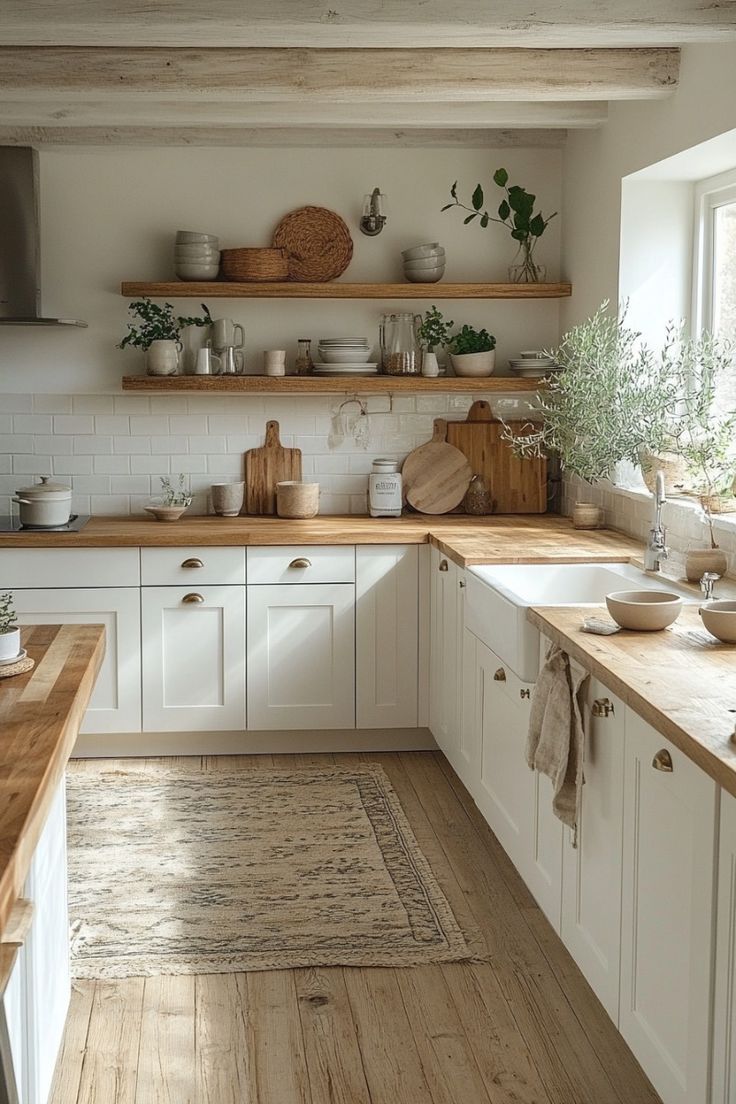
When it comes to being inspired to learn (for our children and for ourselves), first and foremost, it’s important to designate a specific area for this no matter how small your space is. This space should be a sanctuary, a place where your heart and mind can focus solely on the task at hand. Choose a spot in your home that is quiet and comfortable, away from the hustle and bustle of daily life. Just as Jesus often retreated to quiet places to pray and reflect, we too need a quiet place to concentrate and learn.

This intentional space becomes a sanctuary where distractions are minimised, allowing our minds to concentrate fully on the task at hand, whether it be absorbing knowledge, engaging in heartfelt prayer, or nurturing a child’s curiosity. A dedicated environment fosters discipline and consistency. For children, having a defined learning area signals the importance of focus and establishes a routine that supports their development. By setting apart these sacred spaces, we honour our commitment to learning and spiritual growth, creating a haven where we and our children can flourish well.

Keep it simple and organised

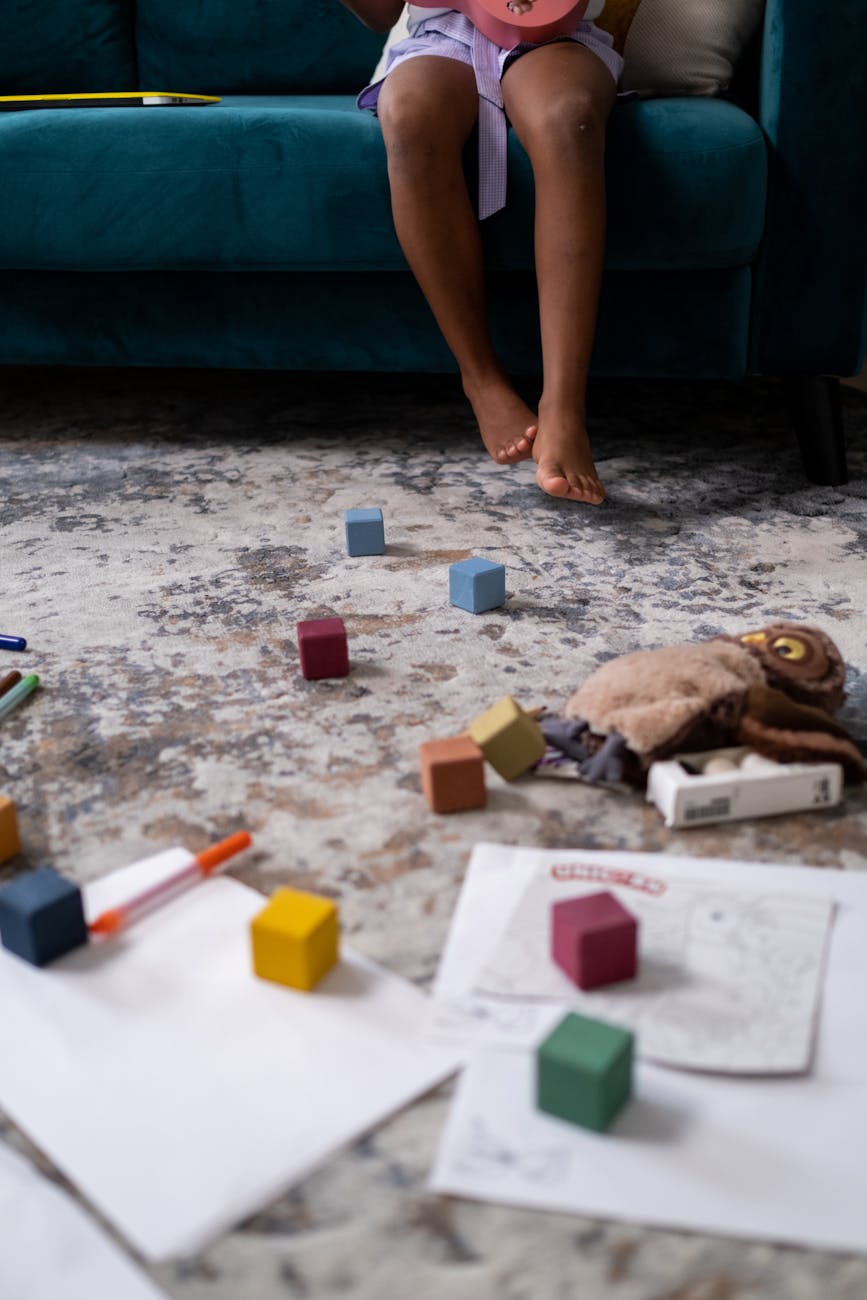
Keeping our homes simple and organised is a beautiful reflection of the order and peace God desires for our lives. I don’t know about you, but a well-organised home reduces stress for me and allows us all to focus on what truly matters – our relationships, our faith, and our personal growth. This is an area that I am particularly keen on for the children. By eliminating the clutter that they can see, I am trying very hard to create a serene environment where their minds and spirits are not overstimulated, but feel at rest and rejuvenated. This simplicity also helps us to be better stewards of the blessings we have been given, as everything has its place and purpose.

Minimise distractions and digital discipline

The world is full of distractions, and our homes if they are to be a place of tranquility can reflect the opposite which is calmness and peace.

Remember the words of Psalm 46:10, “Be still, and know that I am God.” In this stillness, we can hear His guidance in our hearts. To keep digital distractions at bay and cultivate a peaceful home, we really try to establish thoughtful boundaries and practices around the use of technology. We work hard to designate specific times and areas in our home that are free from electronic devices, such as meal times, family gatherings, and bedrooms. This not only reduces distractions but also fosters deeper connections and more meaningful interactions. We encourage a lot of activities like reading, playing games, or engaging in conversations.

With the boys tablets (which they use occasionally for learning), we use tools and apps that help manage screen time, such as setting limits on usage and scheduling downtime for all devices. Turn off non-essential notifications to prevent constant interruptions, and consider creating a central charging station where devices can be stored out of sight when not in use. Encourage family members to be mindful of their screen habits by setting a good example yourself and discussing the importance of being present and engaged in the moment.

Regular decluttering

Regular decluttering is essential for maintaining a peaceful and calm home, as it reflects the order and simplicity God desires for our lives. In our daily walk with Christ, we are called to cast off anything that hinders us and run the race with perseverance (Hebrews 12:1). In the same way, decluttering our physical space can help us to remove the unnecessary and focus on what truly matters. When we rid our homes of excess, we create an environment where our minds can rest and our spirits can breathe. This simplicity mirrors the peace that surpasses all understanding, which God grants us when we align our lives with His purpose.

Moreover, regular decluttering allows us to be better stewards of the blessings God has given us. When our homes are cluttered, we can feel overwhelmed and distracted, unable to fully appreciate the gifts around us. By organising and simplifying our spaces, we can cultivate gratitude for the things we truly need and love. This practice not only enhances our physical surroundings but also nurtures a heart of contentment and mindfulness. As we create a serene and orderly home, we open the door to more meaningful interactions with our loved ones and deepen our relationship with God, embracing the harmony He intends for our lives.

A Personal Touch

Finally, personalise your space with meaningful items – a plant, a family photo, or a piece of Scripture art. These touches make our spaces inviting and remind us of God’s presence and love. Ensure these items inspire rather than distract, maintaining the balance of beauty and simplicity. I have written a blog post on cultivating a Christ centered home.

Adding a personal touch to our homes helps maintain a peaceful and calm environment by infusing our living spaces with reminders of God’s love and the unique journey He has set before us. When we incorporate meaningful items such as family photos, scripture verses, or cherished mementos, we create a sanctuary that reflects our values and faith. These personal touches serve as daily reminders of the blessings and memories we hold dear, anchoring us in gratitude and joy.

A home adorned with personal touches becomes a haven where our spirits can rest and rejuvenate. Each piece of meaningful decor, whether it’s a handcrafted quilt, a favourite piece of art, or a vase of fresh flowers, contributes to a sense of belonging and comfort. These items tell the story of who we are and what we cherish, creating a warm and inviting atmosphere for ourselves and our loved ones. In this sacred space, we are reminded of God’s intimate involvement in our lives. By intentionally curating our surroundings with love and care, we cultivate a home that not only reflects our personal journey but also becomes a beacon of God’s grace and tranquility.

So mama, as you set up your learning and living environment, remember that God is with you in every step of your journey.

With love and blessings,

Alethea

Easy and simple vanilla cake that your family will love

Vanilla Cake Recipe | How To Make Vanilla Cake | Easy And Simple Vanilla Cake Recipe | Graced for Home


A beautiful and simple vanilla cake recipe that is a firm family favourite! Guaranteed a soft and moist cake 🙂

There’s something timeless and nostalgic about the smell of vanilla cake baking in the oven, with the aroma of nutmeg filling the air. In our family, it’s more than just a sweet treat—it’s a tradition, a quiet ritual that brings us together in the most comforting way.

Every few weeks, I’ll pull out my recipe book and bake. It’s simple: flour, sugar, eggs, vanilla, nutmeg and love. Since becoming a mother, I have really enjoyed being in the kitchen to cook and bake. Baking this cake isn’t about perfection. It’s about the anticipation as the sweet, familiar scent wafts through the house and pulls everyone in, little eyes waiting impatiently and expectantly for that first slice.

Sometimes, we bake it for birthdays, and I’ll decorate it, sometimes, just because it’s a rainy day and we need a little warmth. But no matter the reason, that cake always becomes a centerpiece of connection—something we gather around with tea or milk.

Baking, in its own quiet way, is a blessing. It slows us down. It invites us to care—for the food, for the process, and most importantly, for each other. In a world that moves fast, that simple vanilla cake reminds us of the beauty in slowing down and savouring the sweet things in life—together.

I hope you’ll enjoy baking yours!


Adding nutmeg is optional. We love it!

Ingredients:

  • 3 Eggs Sugar
  • 1cup Oil – ¾cup
  • Milk – ½cup
  • Nutmeg – 1tsp
  • All purpose flour 1½cup
  • Baking powder 2tsp
  • Vanilla essence – 1tsp

How to build a home schedule that works

If you’re anything like me, juggling the homeschooling of three energetic boys and in general young children can sometimes be so overwhelming. Between the teaching, snack breaks, constant tidying up of little people and cooking, it can feel like the day is running us instead of the other way around. But fear not! I’m here to share some tips on how to build a home schedule that actually works—at least most of the time.

Be flexible

First things first, let’s talk about flexibility. As much as I love the idea of a perfectly structured day, with every minute accounted for, I’ve learned that life with kids, especially boys, just doesn’t work that way. There’s always going to be something that throws a wrench into our plans, whether it’s spilled food, an unexpected discovery of a “treasure” in the garden, or a tired and unmotivated gloom of the day. So, while it’s important to have a schedule, it’s equally important to hold it loosely. I like to think of our schedule now as more of a guideline than a strict timetable.

Create blocks of time

One thing that has been a game-changer for us is creating blocks of time instead of specific time slots. For example, we have a morning block for our core subjects like devotion, maths, reading, penmanship etc, an afternoon block for creative activities, and an evening block for family time. This way, if we spend a little extra time on a science experiment (or cleaning up from said experiment), it doesn’t throw the whole day off. It gives us the flexibility to dive deeper into subjects that capture the boys’ interest without feeling rushed.

Another tip is to incorporate plenty of breaks. Boys, in particular, seem to have an endless supply of energy, and expecting them to sit still for hours on end is a recipe for disaster (I’ve tried and learnt my lesson)! We do short bursts of focused learning followed by movement breaks. This may mean a quick game of hide and seek, a workout break, a few minutes on the trampoline, or even a spontaneous dance party in the living room with a Youtube video. These breaks help them burn off energy and come back to their work refreshed and ready to concentrate. I’ll always communicate to them and let them know what’s coming next in the day. This helps to prevent tantrums and resistance when it’s time to move on to the next activity.

Time for ourselves

It’s also crucial to build in some time for ourselves – even though most of the time it feels absolutely impossible! This season simply doesn’t permit me to have my free time as I would like all the time so I am learning that it is possible to infuse things that I enjoy throughout my day. Considering this as self care really helps me to know that I am not counting myself out of the family schedule and planning.

Whether it’s a quiet cup of tea before the boys wake up, a quick workout, some time spent in prayer and reflection, spraying a little perfume, a 5 minute make up routine, or putting on smart clothes for the day, taking care of ourselves even in the littlest way helps us to take better care of our families Remember, you can’t pour from an empty cup. So, carve out those moments of rest and rejuvenation whenever you can.

Use tools to stay on track

Using tools to stay on track can be incredibly helpful in maintaining a sense of order in the home. I have found that keeping a family calendar on the fridge helps everyone stay informed about daily plans and responsibilities. Additionally, a simple to-do list or planner can bring structure to the day and prevent tasks from feeling overwhelming. Personally, I enjoy using a prayer journal alongside my schedule—it not only keeps me organized but also allows me to reflect on God’s presence in my day-to-day life. Whether it’s a digital app or a traditional planner, having a system in place makes a big difference in staying consistent and finding peace amidst the busy routine.

Reassess and adjust regularly

Reassessing and adjusting regularly is crucial to maintaining a healthy and sustainable home schedule. It’s one of the things that I really struggled with initially, but the reality is that life is constantly changing—children grow, schedules shift, and unexpected circumstances arise. Taking time each month or even each week to evaluate what’s working and what’s causing stress can make a big difference. I like to pray over my schedule, asking God for wisdom to discern what needs to be adjusted. If a routine is feeling burdensome, it might be time to simplify or delegate tasks. Being flexible allows for grace in our daily lives, ensuring that our schedule serves us rather than us becoming slaves to it. Adjustments are not signs of failure but of growth and intentionality in creating a home filled with peace and joy.

So there you are! A few tips which I hope you’ll find helpful and encouraging. Building a home schedule that works is all about finding what fits your family’s rhythm and being willing to adjust as needed. With a little planning, a lot of flexibility, and a healthy dose of humor, you can create a routine that keeps everyone learning, laughing, and loving the homeschooling and home life. Keep up the great work, mama! You’ve got this.

Dealing with monotony and routine as a stay at home mum

Being a stay-at-home mum is a beautiful calling, but it often comes with the challenge of monotony. The endless cycle of laundry, cooking, cleaning, and always being switched on to care for our children can sometimes feel repetitive and even overwhelming. It’s easy to lose sight of the bigger picture when daily tasks seem to blur into one another. However, as Christian mothers, we are reminded that even in the most mundane moments, God is at work in our lives and in the lives of our families. If we truly look, we’ll find Him.

One of the most encouraging truths in Scripture is found in Colossians 3:23: “Whatever you do, work at it with all your heart, as working for the Lord, not for human masters.” This verse reminds us that our work at home is not insignificant. Every nappy changed, every meal prepared, and every book read is an opportunity to serve God and our families with love and dedication. When we shift our perspective to see our daily tasks as acts of worship and privilege, we can find deeper meaning in what might otherwise seem mundane.

Gratitude helps

One way to combat the monotony of routine is to cultivate a heart of gratitude. Philippians 4:6 encourages us to bring everything to God with thanksgiving. Taking a moment each day to thank Him for the little blessings—our children’s laughter, the comfort of our home, the provision of food, hot water, clothes—can really transform our outlook. Gratitude refocuses our hearts on the goodness of God rather than the repetitiveness of our routines, and it helps us to see abundance rather than lack.

Spiritual renewal

As mothers, we pour so much into our families, but we must also allow ourselves to be filled. I’ll hold my hand up and be the first to admit that sometimes sheer exhaustion makes me demotivated to pour into myself spiritually, but spending some time in prayer, reading scripture, or even listening to worship music while doing household chores does nourish our souls and keep us connected to God. When we prioritise our relationship with Him, we are better equipped to handle the demands of daily life with patience, wisdom and joy.

Building and nurturing friendships

Finding community is another key aspect of overcoming monotony. Proverbs 27:17 says, “As iron sharpens iron, so one person sharpens another.” Whether through church groups, Bible studies, or simply connecting with other mothers, having a support system helps us navigate the challenges of motherhood. Sharing experiences, praying together, and encouraging one another can breathe new life into our routines. I’ve personally found that taking some time to speak with and laugh with friends helps me to reconnect with a different part of myself, which in turn helps me to feel refreshed.

Monotony and simple living can also be a gift to us. In a world that constantly seeks distraction and busyness, the slower rhythms of homemaking allow us to cultivate a heart of peace and contentment. When we embrace the simplicity of our daily lives, we are able to focus on what truly matters—our relationship with God and the love we share with our families. God often speaks to us in the quiet moments, in the steady rhythms of daily life, reminding us that He is present in every small act of love and service.

A quick tasty crepe recipe

There’s nothing quite like the joy of watching my boys devour a plate of homemade food. Every other day, I fry up a batch of delicious crepes to help fill the hunger gaps between breakfast and lunch, and they never fail to bring smiles and excitement to their faces. These crepes are light, slightly sweet, and perfect for rolling up with any number of delicious fillings (we love bananas, blueberries, strawberries, Nutella and honey). Best of all, they come together quickly, making them a great go-to recipe for our busy mornings of play and homeschooling.

Crepe recipe

The recipe is simple, using cupboard staples that I always have on hand. Here’s what you’ll need:

  • 1 cup all-purpose flour
  • 3 eggs
  • 1 1/4 cups milk
  • 2 tablespoons melted butter or oil
  • 2 tablespoon sugar
  • 1 teaspoon vanilla extract
  • 1 teaspoon nutmeg
  • A pinch of salt

To make the crepes, start by whisking the eggs and milk together in a bowl. Add in the flour, sugar, salt, vanilla extract, nutmeg, and melted butter or oil, mixing until smooth. The batter should be thin, almost like heavy cream. Heat a lightly greased non-stick pan over medium heat and pour in just enough batter to coat the bottom, swirling it around for an even layer. Cook for some seconds until the edges lift slightly, then flip and cook for another 30 seconds. Stack them up as you go, and they’ll stay nice and warm, and fill your home with a sweet aroma.

My boys love these crepes with a drizzle of honey, a sprinkle of cinnamon sugar, or a spread of jam. Sometimes, we even get fancy with Nutella and fresh berries. They’re incredibly versatile and can be made sweet or savory depending on what we have on hand. Whether you’re making them as a quick snack or a special treat, these crepes are sure to be a hit in any household!

Beyond just making a delicious snack, preparing crepes together has become a cherished tradition in our home. My boys love to help mix the batter, pour it into the pan, and even try their hand at flipping. These moments in the kitchen aren’t just about cooking—they’re about laughter, learning, and creating lasting memories. When I think about my grandma, one of the things I remember her for is for the baking that she did, and how she put so much love and care into making cakes for others. I hope that one day, the boys will pass down this simple recipe to their own families, remembering the warmth and joy we shared while making them.

How to raise confident and resilient boys

Raising confident and resilient boys in today’s world is challenging, unpredictable, full of constant adjustments, chaotic, downright exhausting, deeply fulfilling, messy and full of lots of teaching moments. As a homeschooling mum to three boys who are still babies to me (6,4 and 2 years) I am slowly learning that raising strong, capable young boys into men has become one of our aims. This isn’t about giving them an ego boost or bubble-wrapping them from failure, but about teaching them how to handle themselves when life’s inevitable bumps occur, and to deal with imperfections and bruises with grace, grit, and from a strong foundation in Christ.

Perseverance

One of the first and constant lessons that we are currently working on, is that failure and imperfection isn’t the enemy. When they get answers wrong, make a mistake or do something imperfectly, their natural response is to shut down, give up or walk away in tears because of the feelings of frustration and disappointment. In our home, my husband and I are consistent in pushing back against this and communicating to them that we celebrate mistakes (sometimes with a little treat) because they are an opportunity for us to learn and grow stronger.

When my first born son struggles with a concept during our learning time, or he colours out of the line during art time, we respond with enthusiasm because we have a chance to try again, and sometimes that is what life gives us- a chance to try again. We encourage him to know that it is ok to feel what he is feeling, but that he should never quit on himself. Resilience isn’t about never falling down; it’s about getting back up, dusting off the sawdust, and trusting that God will guide and strengthen us as we try again.

Confidence, too, is something that we are nurturing. As our boys are very young, we offer this through constant praise the majority of the time because I recognise that our hearts need to know that we are seen by those closest to us, and as their mama, it is my joy to let them know that I see them, love them, celebrate and affirm them.

There are moments when we explain that as they grow, their confidence wont come from constant praise but from real accomplishments and faith in God’s plan. So we do occasionally let them struggle and push through math problems, writing that tricky word for what feels like the hundredth time, and learning how to work together to serve one another during meal times (putting cutlery out, and setting the table). When they achieve something after working for it, the confidence sticks because they know they earned it through perseverance and God’s strength.

Service unto each other and strangers

My boys are very visual, and I quickly learnt that in order to capture their attention and imagination, it would be very helpful to give them a vision of the kind of boy and man that God is helping them to become day by day.

We usually say something along the lines of:

“God has created you for a purpose, and no challenge is too big when you walk in His strength. Keep trusting Him, keep learning, and keep growing into the man He is shaping you to be.

“You are a warrior for Christ, and true strength comes from faith, kindness, and perseverance. No matter what happens, remember that God is always with you, guiding your steps.”

“When you do hard things, God is helping you grow stronger and stronger”.

We are all naturally self centered, and children demonstrate that to the highest degree because they are children(!), have constant legitimate needs and are under developed in their understanding, maturity and expression of their needs.

Another one of the areas that I am working on when it comes to raising resilient sons is teaching them to serve each other and other people. Serving each other doesn’t always feel pleasant because they bicker, fight and compete against one another, but by learning the discipline of service to one another, they fulfill a really important goal of our family which is to love and work together as one in our home.

When they understand that their strength, and their faculties (hands, feet, eyes, speech) are meant to be used for God’s glory it gives them an external motivation. So gentle reminders are given when we are at home and out in public to help them think outside of themselves and to see the world and people around them—whether that means helping to open the door for someone or comforting a friend who’s has been hurt— it’s all to help them develop a deep, quiet confidence that isn’t rooted in arrogance, but in purpose. Plus, let’s be honest, there’s nothing quite as humbling as helping to clean up after your brother or others! Jesus Himself taught us that true leadership comes through service, and I want my boys to follow His example, and understand the inner strength it takes to think of others.

It’s OK to cry

We are at a stage in life with our boys where crying is the resounding sound in our home, so let’s talk about emotions for a second. We are balancing the importance of them talking with us when they are upset over screaming and shouting. Simultaneously we acknowledge that being strong doesn’t mean stuffing down their feelings and pretending that they are ok when they aren’t.

Boys also need space to express frustration, sadness, and even joy without being told to “be strong.” In our home, we encourage each other to talk things through—sometimes by removing them from a tense environment because resilience isn’t about hiding emotions but trying our best to handle them in a Christ-centered way. Praying together, reading God’s Word, and seeking His wisdom helps us all to process our emotions in a way that strengthens our faith and character.

Role Models

Positive role models also play a crucial role in building resilience. Boys need to see strong, faith-filled men who exemplify integrity, perseverance, and humility. Whether it’s their father, a pastor, a coach, or a trusted mentor, having godly role models shows them what it means to live with strength and grace under pressure. When they see men who turn to God in times of struggle, who admit their mistakes, and who stand firm in their beliefs, they learn to do the same. Surrounding them with wise, godly counsel reinforces the values we teach at home and gives them examples to emulate as they grow. As they are young, we have begun that journey for them through stories and books, as well as spending quality time with daddy.

Series and books that they enjoy are Bibleman, Veggie Tales, Emmanuel’s Dream: The True Story of Emmanuel Ofosu Yeboah, Ten Boys Who Made a Difference (Lightkeepers) and much more.

Proverbs 22:6 reminds us to “train up a child in the way he should go, and when he is old, he will not depart from it.” At the end of the day, our goal isn’t to raise tough guys; it’s to raise kind, courageous, and faithful men who will stand firm in a shaky world. With a lot of prayer, patience, and probably a lot more mistakes, I trust that God will shape them into exactly who He created them to be, and we look forward to celebrating the good fruit that comes from their lives!

When doubt creeps in: Encouragement for the homeschooling mum who feels she might have made the wrong choice

I don’t know about you, but there are some days when I look around at the chaos of our homeschool and wonder, What in the world is going on? The boys are arguing, fighting and screaming over toys, I am getting resistance with sit down book work and reading, and my youngest is determined to turn all the walls of my house into his museum of drawings. Meanwhile, I’m nursing a cold cup of coffee, a very messy kitchen (even though it was cleaned the night before), and sleepiness from waking up at 4:45am just to get a head start on the day before everyone wakes up. With fatigue, strain, frustration and overwhelm at an all time high, its easy to question whether we made the right decision to homeschool.

Some days, these are my thoughts, so first of all, I want to assure you that if you have felt any of this, you are not alone. There is no homeschooling mum on this planet (or probably even in the universe, if alien homeschooling mums exist) who hasn’t wondered at least once if she made a monumental mistake. It’s normal. We’ve all had those moments of doubt—when the curriculum doesn’t click, when the kids resist every lesson, or when we constantly feel that we are not enough. But let me remind you of something that God has been whispering to my heart lately: His grace is sufficient. Even on the hard days. Especially on the hard days. Here’s a beautiful hymn for you to tuck away in your heart.

I get it, though. It’s easy to romanticise homeschooling before we start. We picture morning devotionals with well-behaved children, afternoons spent exploring nature, and evenings reading classic literature in a cosy setting. Reality looks a little more like Weetabix smeared on every surface, (AND THEN DRYING IN A BLINK OF AN EYE!!), disruptive food requests every. five. minutes, and a “read-aloud” where you’re the only one actually listening to the story. And yet, even in the mess, there are so many beautiful moments waiting to be noticed.

A few tips and encouragement

When doubt comes knocking, I’ve found it helps to revisit why my husband and I chose this path in the first place. For me, it’s about nurturing my boys’ hearts as much as their minds. It’s about weaving our faith into their education and having the freedom to teach them in a way that honours their unique gifts and strengths. Yes, even when those gifts include making fart noises during lessons. (Lord, give me strength with these boys.)

Sometimes we just need to change our perspective. If a lesson is flopping or the kids are bouncing off the walls, maybe it’s time to pause the plan for the day. Go outside for a walk (which is my absolute go to), build a blanket fort, or get in the kitchen and bake and call it “life skills.” It all still counts. I have learnt that homeschooling isn’t about sticking rigidly to a schedule; it’s about creating a life where learning happens naturally and joyfully—well, most of the time for the children, and for us as mums.

Another thing that helps is connecting with other homeschooling mums. Join a co-op, find a support group, or just call that one friend who always “gets it.” There’s something so comforting about hearing someone else say, “Oh, me too!” We were made for community, and sharing our struggles often lightens the load.

Grace is available

Don’t forget to extend yourself some grace. God didn’t call us to this journey because He thought we would do it perfectly. He called us and wants us to depend upon Him every step of the way. Your children don’t need a perfect teacher; they need you. They need your love, your laughter, and yes, even your occasional meltdowns. (I firmly believe that seeing us apologise, pray for strength, handle difficult moments and regroup is an important life lesson for them.)

So, on the days when you’re tempted to throw in the towel, remember this: You are planting seeds, even when you can’t see the harvest yet. The hard days are part of the story, but they’re not the whole story. And who knows? Maybe one day, your children will look back on these years and thank you for the gift of learning together. They’ll remember a specific day (that you thought was pretty awful) and say that was one of the best moments of their lives. Or at least in my case they’ll remember how to bake really good cakes. Either way, you’re doing just fine, Mama. Keep going. ❤️

Creative Christmas prep ideas for mums

Hey mama, it’s that time of year again!

The air is getting cooler and crisper, the days shorter, darker, and our online feeds slowly filling up with all the Christmas inspiration. Yes, the festive period is upon us! Preparing our homes and hearts for the Christmas season can be such a meaningful and joyful time and in this post I’ll be sharing a few creative and unique ways to make this festive period extra special for you and your family, as I try to do the same for mine!

I hope you’ll find some inspiration that you can personalise!

1. Create a “gratitude and prayer garland”

This year, we are getting hands on with our decorating, and having fun expressing thankfulness by making prayer garlands. Transform a simple decoration into a daily practice of gratitude and prayer by cutting out paper strips in festive colors and encourage each family member to write down something that they are thankful for or a prayer intention every day. Then, link the strips together to form a garland. Each link represents a moment of gratitude or a heartfelt prayer. By Christmas, you’ll have a beautiful, meaningful decoration that wraps your home in love and thankfulness. Hang it somewhere where everyone can see, and maybe even make a tradition of reading them all aloud on Christmas Eve.

2. Host a nativity play at home

We love a good role play in our house, and my boys get excited at any chance to build houses, forts, and play pretend. At this time of year, you could turn your living room into a stage for a homemade Nativity play! Get your children involved in making simple costumes and props. Let them choose their roles—perhaps one of your children wants to be a shepherd, another an angel, and another might want to narrate the story. Rehearse together and perform it for family and friends. This activity not only brings the Christmas story to life for everyone but also creates a cherished family tradition. Plus, it’s a wonderful way to remind everyone of the true meaning of Christmas in a fun and engaging way.

3. Set Up a “Christmas kindness countdown”

I love that the festive season encourages us to not only enjoy with our families, but to think of ways that we can serve others. In our home, we have been focusing on service, and ways to make someone feel loved. The boys are more excited about the toys that they will receive for Christmas so this activity is perfect. Instead of the usual Advent calendar, you can create a “Christmas Kindness Countdown” where each day involves a small act of kindness. You then write down different activities on slips of paper and place them in numbered envelopes or boxes. Activities can include things like making a card for a neighbour, donating gently used toys to charity, baking cookies for locals and church members, or even calling a relative to spread some cheer. This helps instill a spirit of giving, and compassion in our children and shows them that Christmas is about spreading love and joy to others.

4. Start a Christmas book tradition

If you love books, and your children do this could be the perfect time to build a collection of Christmas-themed books that you only bring out during the festive season. Each evening, you could gather around the tree or in a cosy space to read a different story. You can include classics along with stories that highlight the nativity. This tradition fosters a love of reading, creates cozy family moments, and helps children connect with the stories and values of Christmas. Over the years, these books will become cherished parts of your family’s holiday heritage. We are book lovers so this will be perfect for us to introduce!

Some of the books that we’ll be reading:

A very noisy Christmas

The nativity

5. Create a “journey to Bethlehem” display

Dedicate a space in your home to a “Journey to Bethlehem” display that evolves throughout Advent. I saw this stunning nativity display in Home Sense last year and I am still kicking myself for not getting it. It was so beautiful and I wanted to use it as part of our festive decorations to help point the kids hearts to our wonderful Saviour. So you could start with a bare stable and gradually add figures of Mary, Joseph, and the shepherds moving closer to the stable each day. Incorporate readings from the Bible and reflections on each character’s journey and faith. This daily routine helps reinforce the nativity story deep into our hearts and makes the anticipation of Christmas more meaningful as our children witness the progression of the journey to the birth of Jesus.

6. Host a Christmas craft night

Children love crafts, and it is such a great and easy way to spend time having fun together. Set aside one evening a week for a family Christmas craft night. Gather materials to make ornaments, wreaths, and other decorations. Listen to Christmas music, sip on hot chocolate, grab some snacks and let the creativity flow! These homemade crafts can be used to decorate your home or given as heartfelt gifts to friends and family. This tradition not only beautifies your home but also provides a wonderful opportunity for family bonding and creates lasting memories.

7. Set up a giving jar

Place a large jar in a central location in your home and label it the “Giving Jar.” Throughout the holiday season, encourage family members to contribute spare change or small bills. At the end of the season, decide together which charity or family in need you’ll donate the collected money to. This simple act teaches children about generosity and the importance of helping others, in line with the Kindness Countdown.

8. Plan a “Silent Night” evening

I saw this idea and loved it! We’ll definitely be looking to add this to our Christmas tradition. Choose one evening to turn off all electronic devices and enjoy a “Silent Night” together. Light candles, play soft Christmas music, and spend the evening in quiet activities like reading Christmas stories, doing puzzles, or simply talking. This can be a peaceful retreat from the hustle and bustle of the season which is filled with socialising and shopping, and provides a chance to reconnect and unwind with loved ones. Equally, joining a carols night

9. Create Personalised Christmas cards

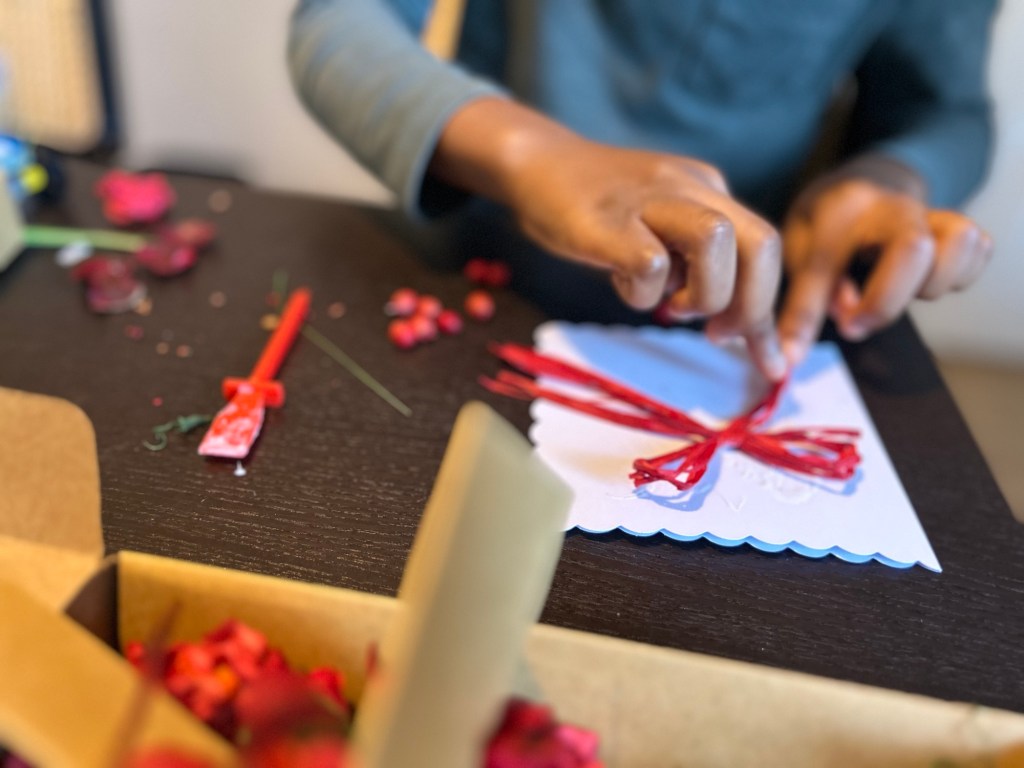
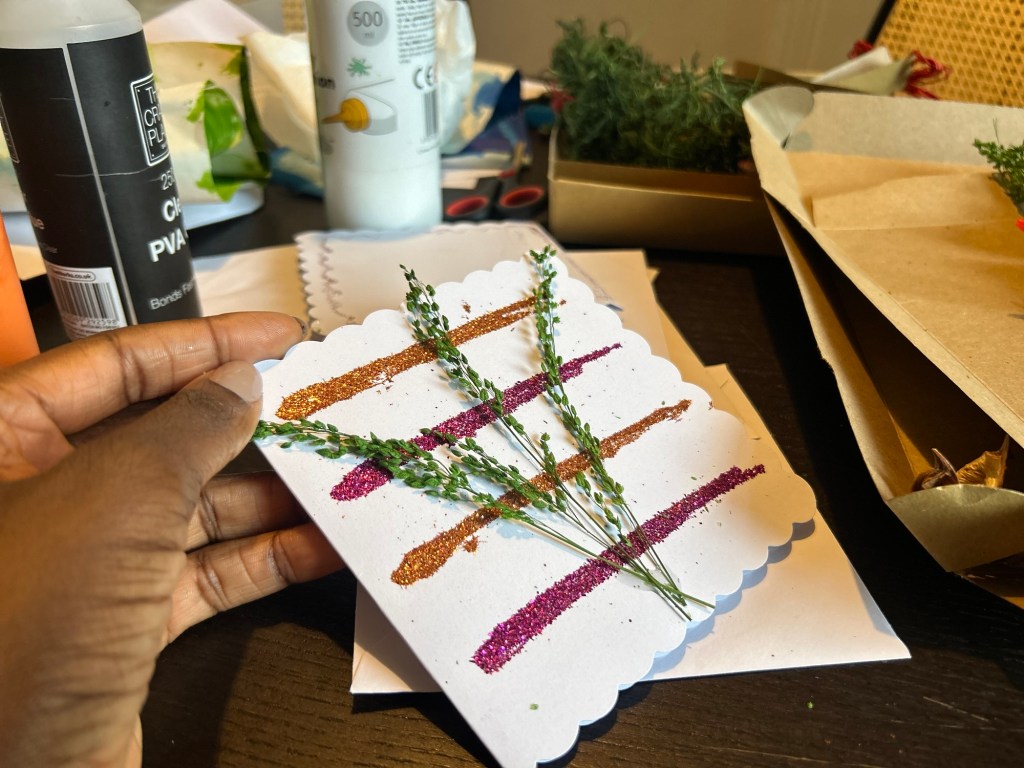
Instead of buying pre-made cards, gather your family to create personalised Christmas cards for friends and relatives. Use craft supplies like stamps, stickers, and glitter to make each card unique. Include a heartfelt message or a family update inside. This activity allows for creativity and thoughtfulness, and recipients will surely appreciate the time and effort put into each card.

Another meaningful practice is to focus on the importance of presence over perfection. It’s easy to become overwhelmed by the desire to create the perfect Christmas experience for your family. But remember, the most cherished memories often come from simple moments spent together. For example, instead of stressing over a perfectly decorated home, involve your children in the decorating process. Embrace the imperfections and enjoy the laughter and creativity that come with it. Or, set aside time for a family evening of board games or baking cookies, without worrying about the mess. By prioritising presence, we can give our hearts the chance to breathe, and just enjoy the gift and blessings that we have.

I hope these ideas inspire you!

Are there any that you would do? or share what you currently do with your family at Christmas time, I’d love to know.

Creative homeschooling ideas to keep boys engaged.

Boys!

As a homeschooling mum to three energetic boys, I’ve had my fair share of days where the kitchen resembles a science lab, and our garden a war zone as they play together and learn! Keeping my boys engaged in their studies is not always the easiest, especially when all they want to do is climb trees and launch themselves off of anything furniture-like. With a sprinkle of creativity, and a lot of patience and prayer, I’ve discovered some fantastic ways to turn their boundless energy into fruitful learning adventures. In this post, I’ll be sharing some fun and creative homeschooling ideas that have helped me, and hopefully will help keep your boys not just busy, but excited about learning!

Just to let you know that this post contains affiliate links. I’ll only recommend items that we use or would use. If you make a purchase through these links, I may earn a small commission at no extra cost to you. Your support helps keep this blog running. Thank you!

1. Add plenty of breaks during sit down learning time (for those that need it).

Taking regular breaks is a game-changer when it comes to helping boys focus on their learning. Boys, with high energy levels and a natural inclination towards physical activity, often find it challenging to sit still and concentrate for long periods. My eldest really finds it challenging to be still for so long and so regular breaks allows him to burn off some of that excess energy, which then significantly improves his ability to focus. We use a timer to create a rhythm to our day: 20-30 minutes of focused work followed by a short break. During these breaks, the boys can run around outside, have a snack, or play with their toys. This helps them to have a little bit of a mental reset so they feel refreshed and ready to continue concentrating.

Adding regular breaks into our homeschooling routine felt counterintuitive at first—my brain was thinking “aren’t we supposed to be maximising learning time?” But trust me, these breaks are not just about pausing work; they’re about enhancing the overall quality of learning, and embracing the natural wiggles and jumps of my boys as part of a balanced and effective homeschooling strategy!

2. Include creative and interesting field trips for boys.

Incorporating real-world experiences into learning is another way to keep boys engaged. Field trips to museums, farms, factories, and historical sites bring lessons to life. Even a simple outing to the local park can become educational with a bit of planning. Nature walks can turn into biology lessons, and trips to the supermarket can involve maths and economics. Boys learn best when they can see, touch, and experience the world around them.

Honestly, field trips are a real gem, and provide so much. They may take a little bit of planning, and can feel tiresome for us mums, but for my boys they break up the monotony of sitting at a desk everyday, and provide a change of scenery that can re-energise and motivate them. The anticipation of a fun and interesting trip can keep them engaged and give them something to look forward to. Also, field trips often involve interacting with other people, whether it’s a tour guide, other students, or community members. These interactions help my boys practice and develop important social skills such as listening, asking questions, and working collaboratively. They also provide opportunities to practice good manners and respectful behaviour in different settings.

What I love most about field trips is that they can light the flame for curiosity and exploration. Children are naturally curious and love to explore and trips cater to this curiosity and encourage them to ask questions, seek out new information, and explore their interests. This sense of adventure can ignite a lifelong love of learning and discovery!

3. Boys need arts, crafts and DIY too

Encouraging creativity through arts, crafts and DIY builds can also be highly engaging for boys. They may be enthusiastic about drawing or painting, and often love projects that involve building, sculpting, or assembling. This is because generally, boys excel when it comes to kinesthetic learning, which involves doing and creating. Building projects and crafts provide a tactile, hands-on way to grasp concepts that might seem abstract or challenging when presented through traditional methods. This type of learning can make subjects like maths, science, and engineering more relatable and understandable.

We’ve made everything from cardboard castles to clay models of the solar system, our own electronic fans (that work!) and so much more. These activities have not only provided a welcome break from more structured academic work, but they have allowed my boys to express themselves, and develop fine motor skills. I love including DIY build projects in our week because they often require time and attention to detail which helps develop patience and focus. Whether they’re meticulously assembling a model or carefully following instructions for a craft, these activities teach them to concentrate and see a task through to the end. Successfully completing a project or creating something from scratch also significantly boosts their confidence and sense of accomplishment.

4. Create healthy competitive group games.

One afternoon I sat looking outside my kitchen window at my 3 boys and their boy cousin as couldn’t help but smile as they played very physical competitive games with each other in the garden. It was a very sweet moment and made me realise that socialisation is another critical aspect of homeschooling, and boys often thrive in group settings where they can collaborate and compete in a healthy way. We regularly meet up with other homeschooling families for group activities. Whether it’s a science club or geography club, a sports team, or a co-op where we parents take turns teaching, these interactions provide invaluable opportunities for boys to learn social skills and build friendships.

When structured well, competitive games can teach boys about healthy competition. They learn to strive for their best while maintaining respect for their opponents, and I believe that this balance helps them develop a positive attitude towards competition, emphasising effort and improvement over just winning. Above all, competitive games are fun! They provide a break from routine and offer a joyful and exciting way to learn and grow.

5. Technology & boys.

Incorporating technology thoughtfully and at the right age can be a game-changer in keeping boys interested in learning. If your boy is anything like mine, they are probably easily drawn to gadgets and screens, so we occasionally use educational apps and websites to supplement some of our lessons. There are fantastic resources out there for everything from coding to virtual museum tours. We also use educational games and interactive software to make learning more dynamic. However, it’s important to balance screen time with physical activities and face-to-face interactions.

Homeschooling boys is an amazing blend of chaos and joy. I am finding my feet and balance with embracing their boundless energy, and turning everyday moments into fun learning opportunities. I hope some of these tips will help you survive amidst the noise and mess, and remember that within it all, you’re creating a rich, dynamic learning environment and precious memories that will last a lifetime.

Alethea xx

Tips for homeschooling boys

As a homeschooling mum of three very energetic boys, my days are filled with the kind of energy that could power a small town! If you’re thinking about homeschooling your boys, or if you’re already in the experience of it, let me tell you—it’s a wild, wonderful ride. Boys have a unique way of turning even the most mundane tasks into grand adventures. Whether it’s transforming the living room into a battlefield or discovering the science of “how high can we launch this toy?”—there’s never a dull moment. And while it can be exhausting, it’s also incredibly rewarding.

One of the first things I learned about homeschooling boys is the importance of movement. They are not designed to sit still for long periods, and that’s perfectly okay. We embrace a lot of breaks, outdoor play, and hands-on learning e.g. maths becomes more engaging when you use Legos or Magna Tiles to solve them and spelling words are more fun when you can jump on a trampoline while reciting them, or use spelling games. The garden and nearby parks often serves as our classroom, where nature walks turn into impromptu science lessons. And let’s not forget the endless supply of sticks that magically transform into swords, wands, or digging tools for their “archaeological” digs and builds.

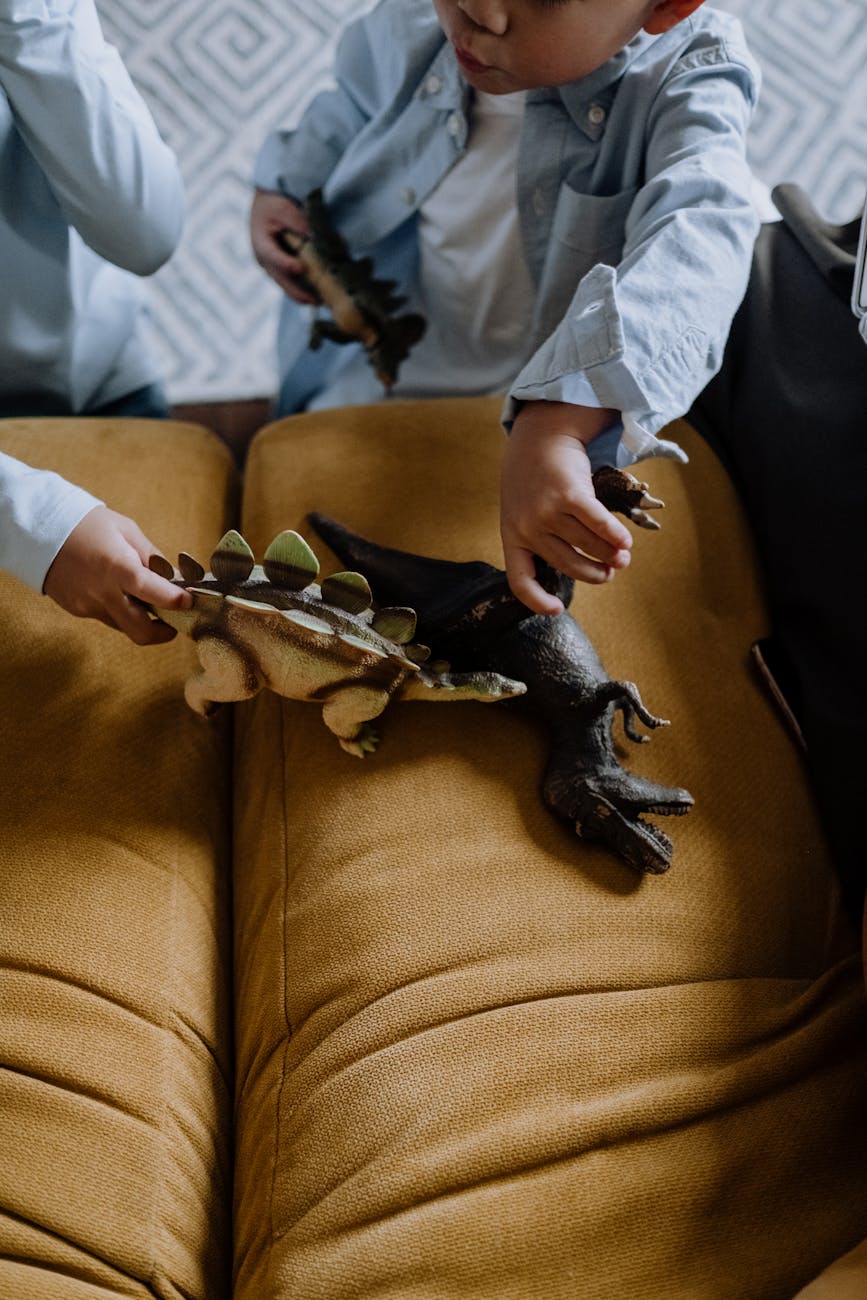
Another key element is embracing their interests. My boys are fascinated by everything from dinosaurs to superheroes, so I weave these themes into our lessons. Stories come alive when we read about warriors and kings and characters they love. By tapping into what excites them, I find they’re more engaged and eager to learn. And let’s be honest, when they’re excited, it makes my job much easier—and a lot more fun!

Of course, there are challenging days, like when our science experiment explodes all over the kitchen (note to self: always double-check the measurements), or I am contending with bad attitudes and tantrums. But even in those moments, there are valuable lessons to be learned—like the importance of perseverance, patience, and sometimes, the necessity of a good sense of humour. After all, laughter can turn a disaster into a memorable teaching moment. Homeschooling boys is a journey of discovery, for both them and us as parents. It’s about finding the balance between structure and spontaneity, discipline and freedom. And in the midst of the noise and chaos, it’s about cherishing the opportunity to shape and nurture their curious minds and adventurous spirits.

Another essential part of homeschooling boys is fostering their sense of independence and responsibility. Boys often thrive when given the chance to take the lead and solve problems on their own. I’ve found that incorporating practical life skills into our daily routine not only keeps them engaged but also helps them feel capable and accomplished. Whether it’s cooking a simple meal, managing their own chore charts, or building something with their hands, these activities teach them invaluable lessons about self-reliance and accountability. Plus, it’s amazing to see the pride in their eyes when they successfully complete a task or project!

Lastly, let’s talk about the importance of cultivating a sense of faith and character. As a Christian homeschooling mum, I see each day as an opportunity to instill values like kindness, integrity, and compassion. Our Bible devotion time isn’t just another subject on the schedule; it’s a cornerstone of our day. Through stories, prayers, and discussions, we are intentionally seeking to shape and guide our boys in understanding and living out their faith.

We talk about real-life applications, like showing kindness to a sibling or being honest even when it’s hard. These moments are the heart of our homeschooling journey, helping shape them not just into knowledgeable individuals, but also men of strong character and faith. So, as we navigate the ups and downs of homeschooling, I’m constantly reminded that this journey is about much more than academics—it’s about raising my boys to be thoughtful, faithful, and compassionate individuals ready to make a positive impact on the world.

Amidst all the (chaotic) lessons and life skills, I am really trying to not forget the importance of simply having fun together. Building forts out of blankets, going on impromptu scavenger hunts, and having dance battles in the living room are just as crucial as any maths or reading lesson. These joyful, spontaneous moments create bonds and memories that will last a lifetime. They remind us why we chose this path in the first place—to enjoy the freedom to learn and grow together as a family. Homeschooling is as much about nurturing our relationships and creating a loving, supportive environment as it is about education.

So, here’s to all the homeschooling mums of boys out there—may your coffee be strong, your patience be long, and your days filled with love and laughter.


Thank you for joining me on this journey of motherhood and faith. If you found comfort and encouragement in this post, I invite you to explore more of my writings on similar topics.

Why is motherhood so hard?

How do I balance family and personal life?

9 hacks to help you thrive in motherhood

Affirmations for mothers at home

On my blog, you’ll discover a wealth of stories, tips, and reflections aimed at nurturing your spirit and supporting you through the beautiful chaos of motherhood.

From practical advice on balancing daily responsibilities to heartfelt reflections on deepening your relationship with God, there’s something for every season of motherhood. I’ve shared real-life experiences, lessons learned, and moments of grace that I hope will resonate with you and provide the encouragement you need.

Visit my blog for more posts on creating a peaceful home, finding joy in the little moments, and leaning into God’s strength amidst the challenges. Let’s continue this journey together, growing in faith and love, one step at a time.

Alethea